


Weak demand for cars in China is driving more of the country’s electric vehicle makers into Europe, with Seres Group and Li Auto preparing for their debuts on the continent in 2027.
They are following in the footsteps of leading Chinese EV maker BYD, which has built a strong presence in Europe with low prices.
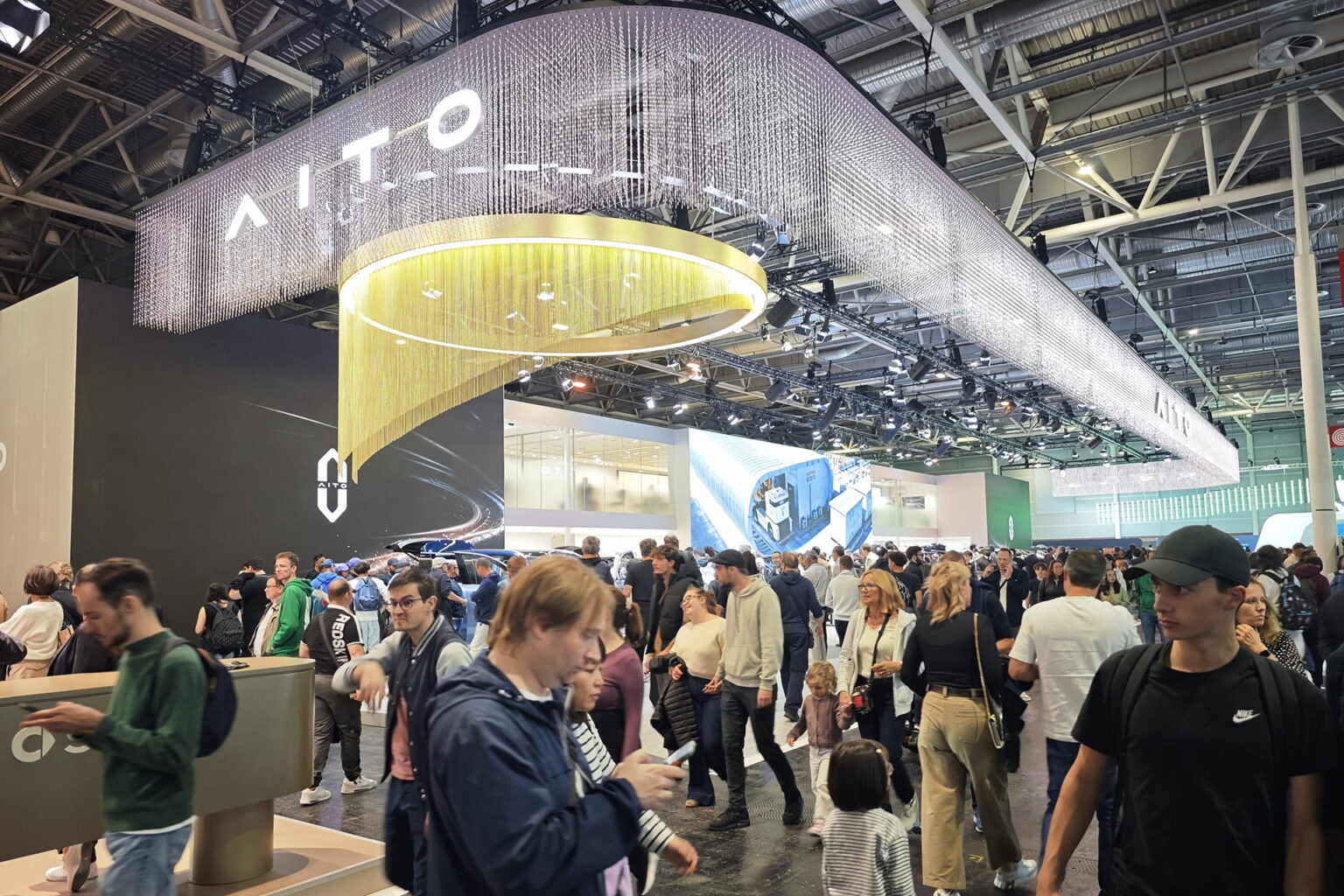
The Aito EV will arrive in Europe in the fall of 2027 and will expand to other markets across the world in stages, Seres vice president Clifford Kang said at the Paris Motor Show last month.
At the show, Seres displayed Aito sport utility vehicles (SUVs) developed in partnership with Chinese tech giant Huawei.
The Aito 9 offers features such as a large retractable screen for rear passengers so the vehicle can be used as a space for work and entertainment.
Seres has yet to decide on the powertrains of Europe-bound models. Options include EVs, plug-in hybrid cars, and extended-range EVs. The automaker will “try to bring as many models as possible,” Kang said, adding that the choice will depend on “market needs.”
Li Auto has unveiled plans to bring the Li 6 electric SUV to Europe by March. Its 800-volt architecture supports faster charging, and the spacious interior is designed for families.
Chinese-made models accounted for 9.3% of new automotives sold in the European Union in December 2025, up 7.1 percentage points from January 2023, according to US think tank Rhodium Group. Their share is forecast to exceed 10% in 2026.
Europe has become one of the most promising markets for Chinese automakers looking for an escape from intense competition at home.
In China, the world’s largest automotive market, new vehicle sales plunged 22% on the year in the first nine months of 2026, said the China Association of Automobile Manufacturers.
The European Union’s additional tariffs on Chinese-made EVs, imposed in 2024, have not slowed the influx. Chinese automakers boosted exports of plug-in hybrid vehicles, which are not subject to these duties. The lineup of Chinese players in the region is widening, now including Chery Automobile and Zhejiang Geely Holding Group.
Having relied on low prices, the automakers are now touting a wider selection of models, particularly SUVs with sporty designs. They also are upgrading vehicle performance with displays and other features targeting younger drivers.
The EU is alarmed by the rising tide of Chinese automotives. In October, the bloc reached a preliminary “understanding” with Beijing to reduce China’s exports of hybrid and plug-in hybrid cars by half. Safeguard measures will be taken over four years under World Trade Organization rules.
This article first appeared on Nikkei Asia. It has been republished here as part of 36Kr’s ongoing partnership with Nikkei.