



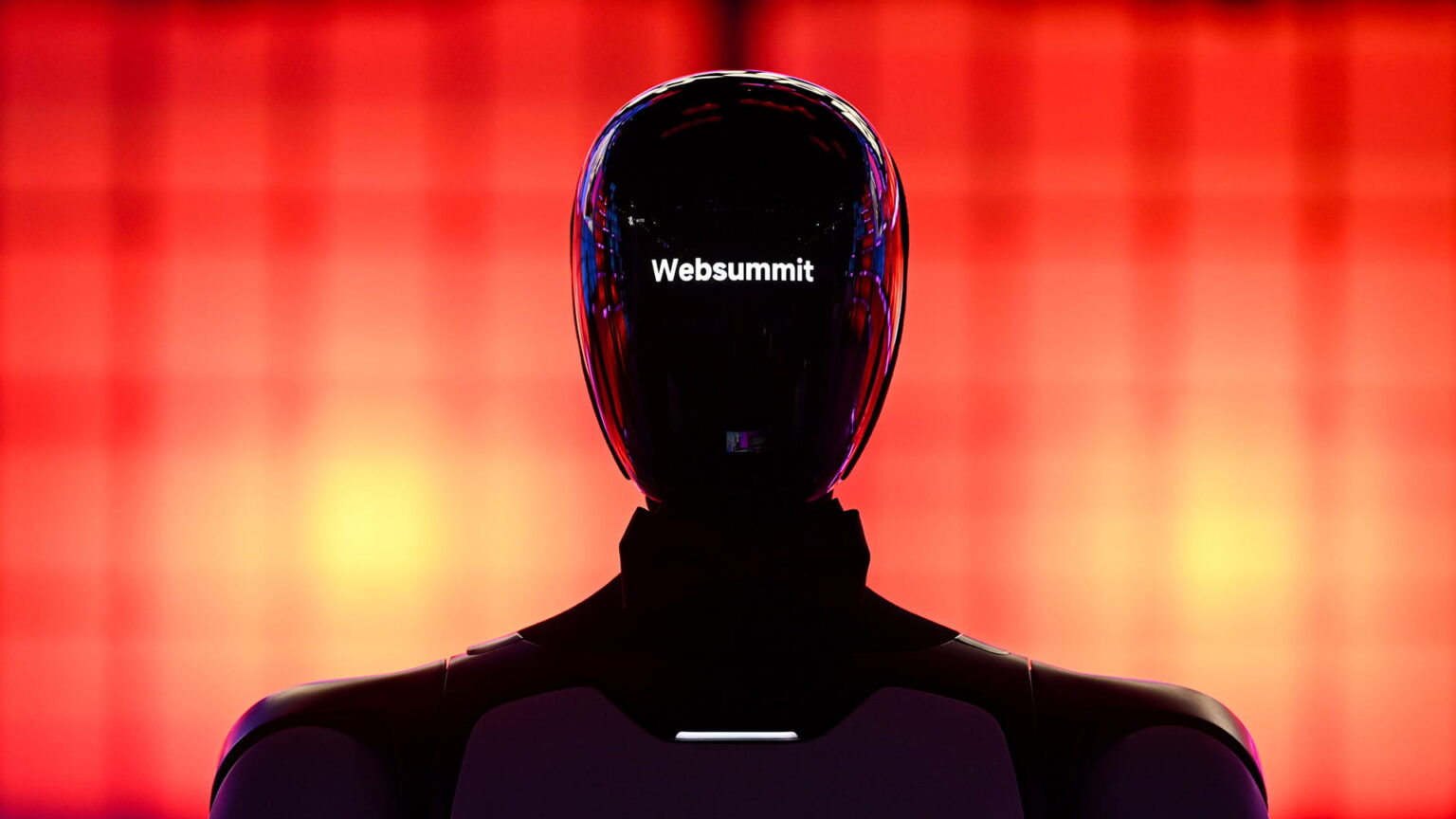
Lisbon welcomed the largest Chinese contingent to its Web Summit in the trade show’s 17-year history, demonstrating that companies are shrugging off strained trade ties with the European Union (EU) in their search for business.
The Chinese presence at European trade shows this year has been notable in industries from technology to commercial vehicles to fire trucks and vape makers. The three-day Web Summit that ended on November 12 even included delegations from China’s Ministry of Commerce and its Cyberspace Administration.
European businesses are looking beyond EU moves to restrict Chinese imports, Oliver Pearce, executive director at iMpact, which advises Chinese companies on overseas expansion, told Nikkei Asia.
“Many European retailers and distributors are keen to bring more Chinese consumer technology to the European market, both because of the pace of innovation coming out of China and in response to consumer demand,” he said. “In some categories of consumer goods, Chinese brands are the only real option.”
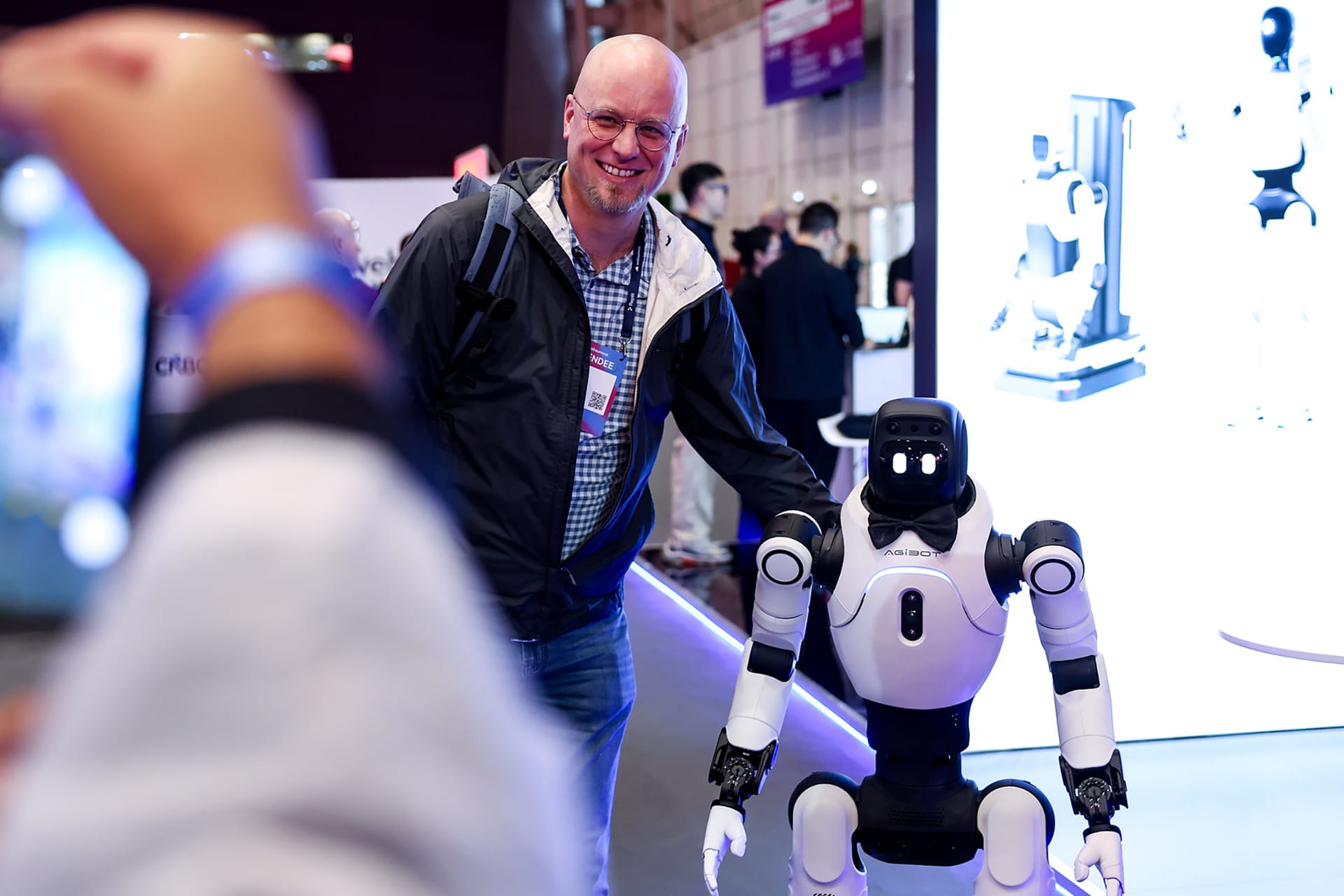
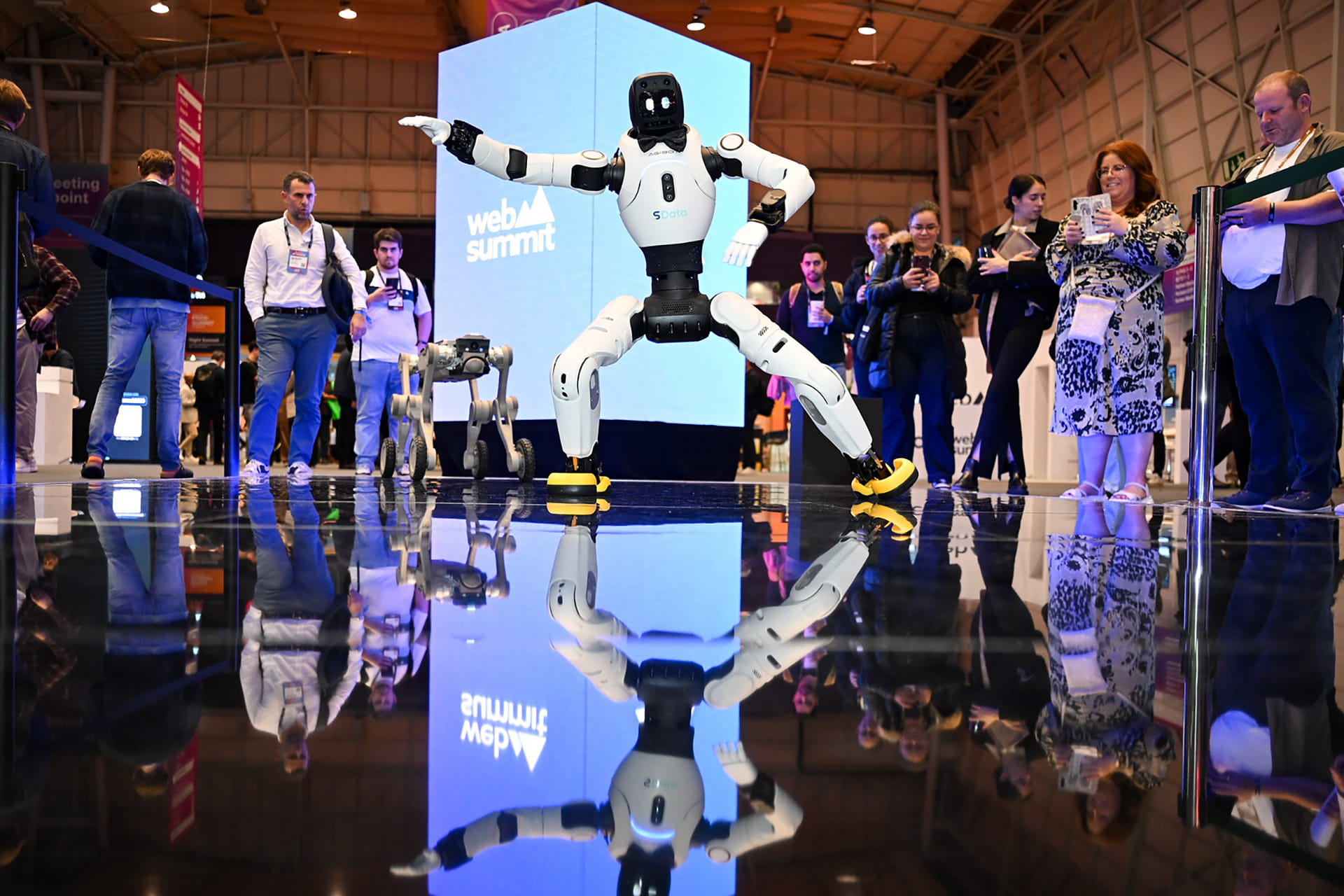
In a scene that has become familiar at tech shows all over the world this year, Chinese-made humanoid robots, this time by Shanghai-based Agibot, took center stage with choreographed performances at the Web Summit’s opening on November 9.
The company signed a distribution deal with Portugal’s Sdata last month. Sdata executive director Paulo Silva told Nikkei Asia that it expects to sell 1,000–1,500 of the robots in 2028, after targeting sales of 80–100 the first year.
With hotels, restaurants, and construction companies in Portugal and Europe facing labor shortages, Silva expects demand for robots to grow “dramatically.”
“Agibot stands out because of its advanced technology and its ecosystem of accessories, programming platform, training data, and so on,” he said. “Our clients look for good quality software and hardware.”
Agibot topped global humanoid robot shipments in the first half of 2026 with a 43% share of the market, according to research firm Smart Analytics Global.

The search for European buyers comes as the EU’s goods trade deficit with China continues to widen. The gap stood at EUR 41.7 billion (USD 45.5 billion) in September, up from 35.2 billion a year earlier, based on Eurostat figures.
Yet European appetite for Chinese technology is growing, as the perception of “Made in China” evolves, said Irene Long, chief sales officer at smart glasses maker Rokid.
“Europeans welcome Chinese products,” said Long, who is in charge of global sales. “I feel they trust our products more than one or two years ago.
Europe is one of Rokid’s top three priority markets, along with the US and Asia Pacific, where the company hopes to sell the glasses as an alternative to smartphones. These glasses can offer live translation and act as teleprompters.
This year, Rokid started a partnership with luxury department store Selfridges in the UK and named optician Krys as a retail partner in France. It is expanding its European retail network and is seeking developers to build apps for the glasses.
Dan Wang, China director at Eurasia Group, said that diplomatic tensions between the EU and China have had little impact on collaboration between the two sides in low-profile, nonsensitive areas.
“Businesses have been practical on what’s possible,” she said. “They only need to avoid the red-line issues and stay away from sensitive Chinese companies and products.”
More than 50 speakers from China were involved in presentations in Lisbon. Among them, Chinese artificial intelligence lab MiniMax discussed how its cost-efficient models are supporting European businesses. Other speakers include Xiaomi’s CMO Xu Fei, Hisense’s president Dennys Li, and the founder of Xpeng’s flying car arm Deli Zhao.

Manus AI co-founder Tao Zhang also introduced the company’s latest agent equipped with phone numbers, email, and digital wallets, in his first public appearance since Chinese authorities unwound a takeover earlier this year by Meta, the US parent of Facebook and Instagram.
Paddy Cosgrave, cofounder and CEO of Web Summit, said in his opening address that the tech industry is shifting away from the US
“The superstars of the future are not coming from California—they’re coming from China,” he said. “Their story is a window into the future of technology and that future is increasingly Chinese.”


Investors certainly see the potential. Sofus Goetz Majgaard, partner at Danish venture capital firm True Collective, said he was looking at investments in Chinese startups.
"We invest, obviously, to find unicorns," Majgaard said, "It's going so fast in China, and it's almost one-to-one with the US, so I'm very curious to see the investment opportunities out of there."
Majgaard said he is prepared to relocate to the region depending on the opportunities and potential deals, although admitting that he is still assessing whether Chinese startups can succeed overseas.
"The Americans are very outgoing, more outgoing than we are in Europe, but even more outgoing than Chinese people are, and that is also an important thing for sales," Majgaard added.
This article first appeared on Nikkei Asia. It has been republished here as part of 36Kr’s ongoing partnership with Nikkei.
Note: EUR figures are converted to USD at rates of EUR 0.92 = USD 1 based on estimates as of November 24, 2026, unless otherwise stated. USD conversions are approximate and, where appropriate, rounded for ease of reference. They may not fully match prevailing exchange rates.