



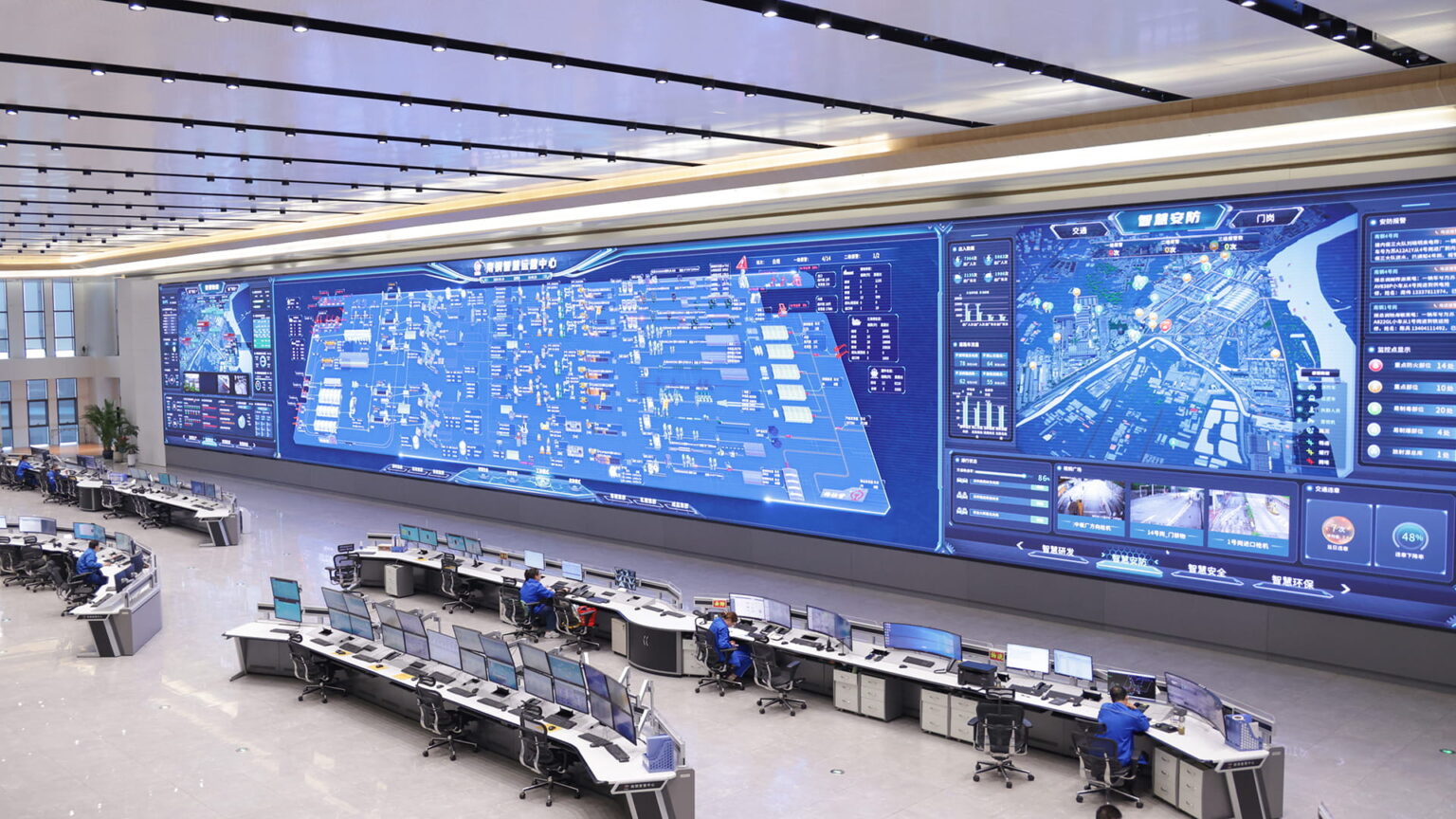
Chinese steelmaker Nanjing Iron & Steel (NISCO) said its deployment of artificial intelligence across steel production, developed with Huawei and other partners, has helped cut annual costs by more than RMB 100 million (USD 15 million).
The company has expanded the commercial deployment of Yuanye, an AI system that combines multiple models with metallurgical expertise and real-time production data. In an October 23 announcement, NISCO said it had deployed more than 300 AI models and 25 business agents, along with over 1,000 low-code agents and lightweight applications developed by frontline employees.
The applications cover ironmaking, steelmaking, steel rolling, quality inspection, production scheduling, and energy management. NISCO also reported a 50% reduction in R&D cycles for new products, although it did not provide a breakdown of how its overall cost savings were calculated.
Developed with Huawei and introduced in June 2025, Yuanye is designed to address a challenge in industrial AI: translating model predictions into production decisions that account for the physical constraints of manufacturing.
Steel production involves interconnected processes in which changes in temperature, pressure, chemical composition, and equipment conditions can affect product quality and operational stability. AI models must therefore do more than identify patterns in data. Their recommendations also need to account for established metallurgical principles and operating limits.
Yuanye addresses this by combining data-driven AI with mechanistic models, which describe how physical processes behave. According to NISCO, the system draws on operational data across 26 business domains and supports digital twins, or virtual representations of production systems, that allow operators to monitor conditions and evaluate potential adjustments.
Huawei provides part of the underlying infrastructure, including its Ascend and Kunpeng computing platforms, Huawei Cloud Stack, and Pangu AI models.
NISCO said the system has delivered measurable improvements across several production stages.
In ironmaking, AI models analyze blast furnace sensor data alongside metallurgical conditions to forecast temperature changes up to two hours in advance. NISCO reported prediction accuracy of more than 90%, giving operators more time to identify potential abnormalities and adjust furnace conditions before problems escalate.
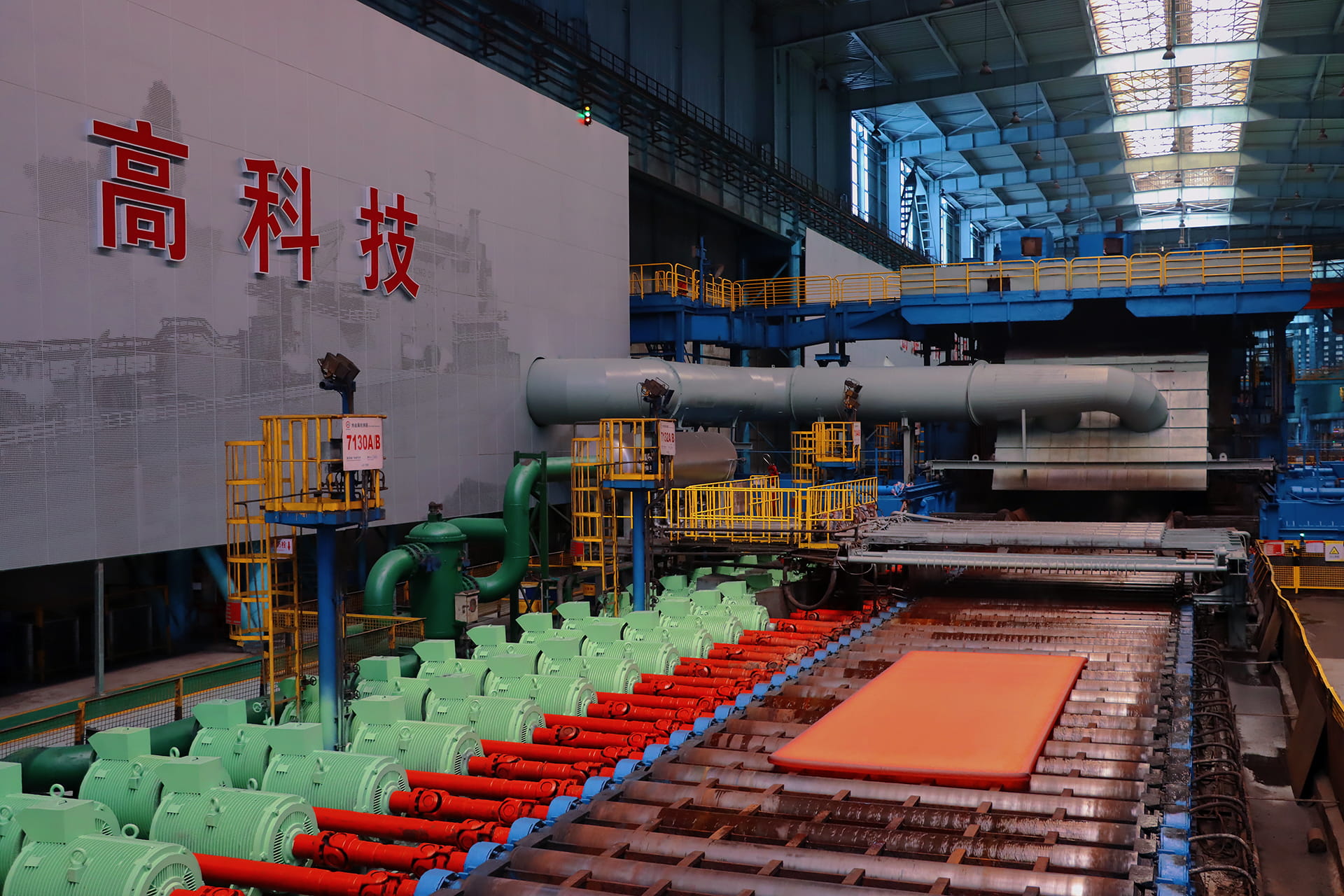
In steel rolling, Yuanye predicts the force required to produce steel plates of specified dimensions. Nisco said the hit rate for its rolling force predictions had increased from 88% to 98%, helping improve dimensional consistency. The company also reported a 0.5% increase in the yield of finished products.
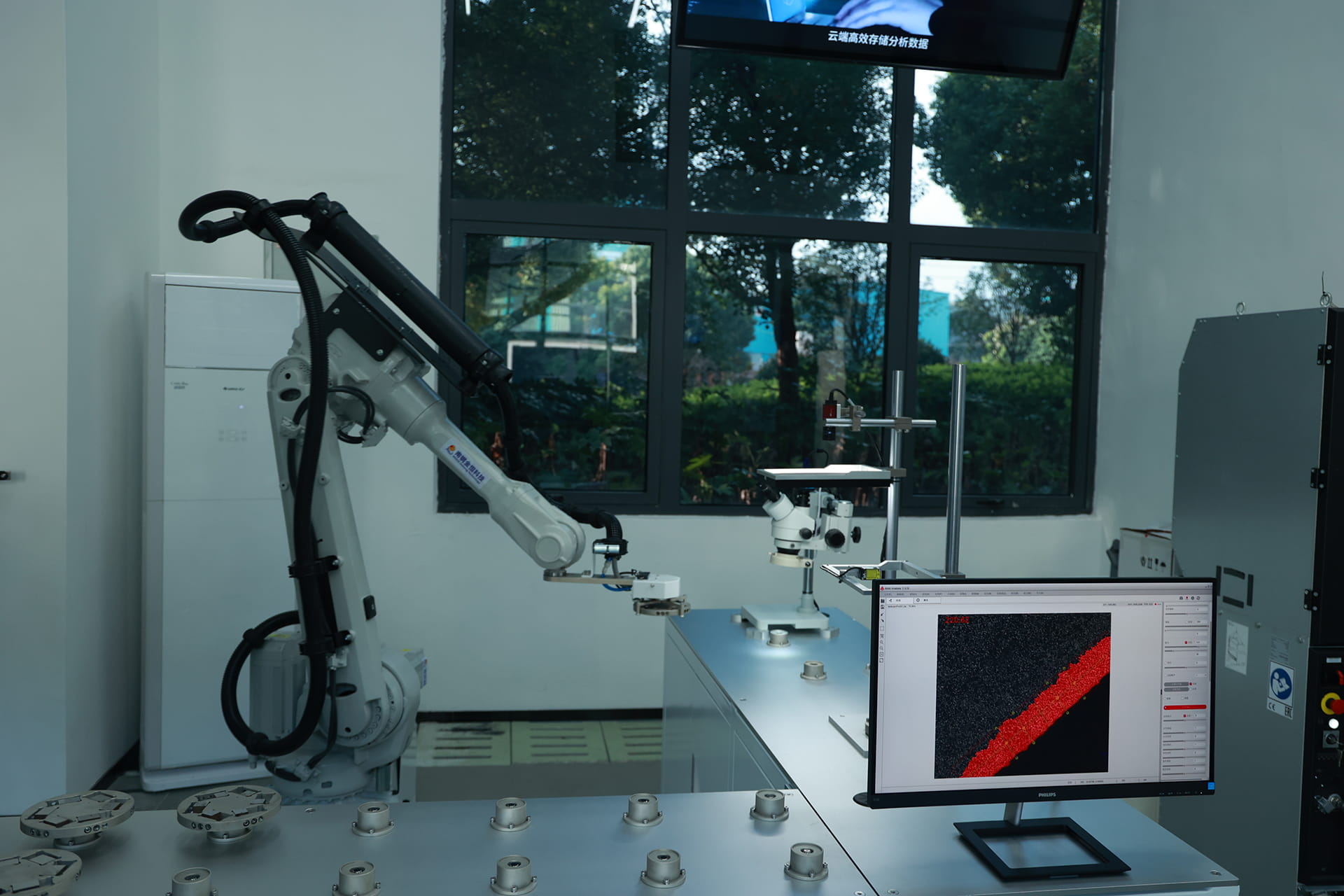
Quality inspection has seen similar changes. An automated metallographic inspection system uses robotic equipment and AI-based image analysis to examine the internal structure of steel samples. According to NISCO, inspection time has fallen from ten minutes to about three to five minutes per sample, while accuracy has risen above 95%.
The applications extend beyond individual production equipment. NISCO said it is also using AI agents to coordinate manufacturing schedules involving approximately 500 steel grades and 3,000 orders per month. Its scheduling system accounts for equipment availability, inventory, production requirements, and delivery deadlines, generating plans for individual processes within five minutes.
Another part of the approach involves converting employees’ operational experience into reusable models and decision rules. Traditionally, many production adjustments have depended on the judgment of experienced steelworkers. NISCO is using AI to make that knowledge more accessible and support consistent practices across shifts and production lines.
Human oversight remains part of the process. Operators assess recommendations, respond to unusual conditions, and make critical operational decisions, while AI handles continuous monitoring, forecasting, and repetitive calculations.
NISCO’s deployment illustrates the challenges of extending industrial AI beyond relatively contained tasks such as defect detection and predictive maintenance. Integrating AI into production control, scheduling, and resource optimization requires reliable industrial data and systems capable of operating within strict safety and process constraints.
As deployment expands and computing requirements increase, NISCO and Huawei plan to explore dedicated data centers for AI-enabled steel plants.
Note: RMB figures are converted to USD at rates of RMB 6.68 = USD 1 based on estimates as of October 27, 2026, unless otherwise stated. USD conversions are approximate and, where appropriate, rounded for ease of reference. They may not fully match prevailing exchange rates.