
The new energy vehicle alliance led by China’s Huawei shows signs of stress, with deliveries dropping 50% on the year in October and member brands operating with increasing independence.
Huawei works with five Chinese automakers to operate the Harmony Intelligent Mobility Alliance (HIMA), a consortium of car brands in which it leads product planning, design, and sales. Member vehicles share Huawei-developed smart cockpit systems, which display a wide range of in-car information, along with the company’s driver-assistance technologies. With autos sold through smartphone stores and dedicated HIMA outlets, the alliance has grown into a force.
But on September 15, it was announced that HIMA member Seres Group would take the lead in planning and sales for the Aito brand. Later that month, Huawei executive director Richard Yu said the request for the change came from Seres. The news drew widespread attention, prompting both companies to quickly affirm that their partnership would continue for another five years.
“Under a new structure, Aito will restore sales growth. We will also improve our product lineup and strengthen our profitability,” an executive at Seres, which has developed Aito with Huawei, told investors on October 31.
HIMA delivered 589,107 vehicles in 2025, up 32% from 2024. About 70% of those deliveries came from Aito, leading observers to question why cracks have emerged in the Huawei-Seres partnership.
Seres traces its roots to a company founded in Chongqing in 1986. Starting as a manufacturer of automotive springs, it expanded into vehicle production through a tie-up with Dongfeng Motor in 2003 and entered the new energy vehicle market in 2016.
The relationship with Huawei dates to 2019. Huawei was placed under US sanctions, limiting its access to semiconductors and preventing it from producing high-end smartphones. To offset the damage, the tech company began selling Seres vehicles equipped with Huawei components through its smartphone stores in 2021.
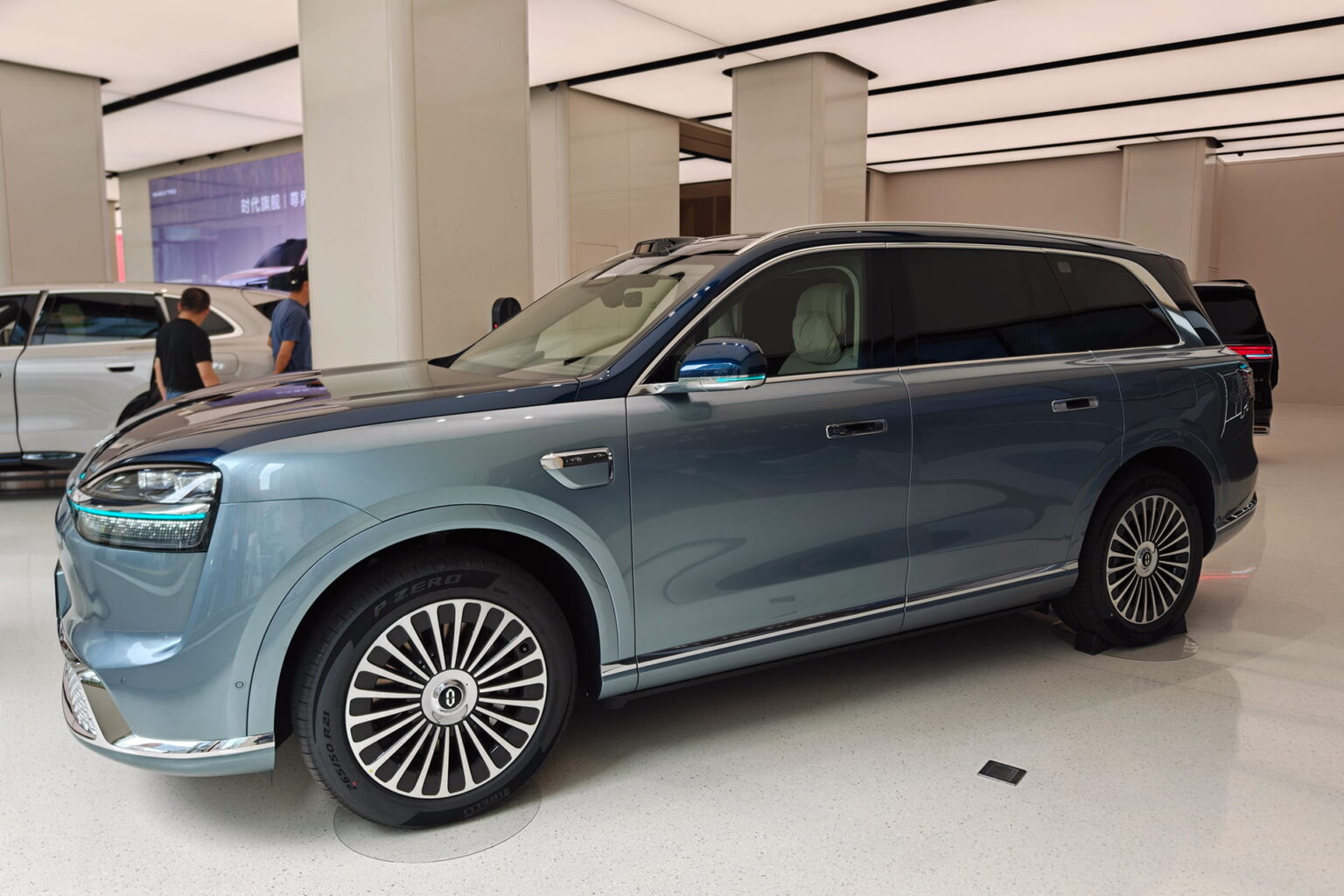
The companies launched the Aito brand at the end of that year and released the first model, the Aito M5, in 2022. Deliveries topped 420,000 units in 2025, roughly six times the level of three years prior. Widely recognized as a premium vehicle brand with an average selling price equivalent to JPY 9 million (USD 56,300) or about USD 56,700 at current rates, the series helped Seres return to profitability in 2024 for the first time in several years.
But the relationship began to change after sales of the flagship Aito M9 lost steam.
The M9 lagged rivals in model upgrades, and deliveries in the January-September period dropped 40% on the year. The sluggish performance of the M9, which retailed for an average of JPY 14 million (USD 87,600), contributed to a 23% decline in revenue for Seres during the period. Combined with impairment losses, the company slipped back into the red in that time. Its market capitalization has fallen 60% from the end of 2025.
Competition is particularly fierce in the premium sport utility vehicle segment favored by affluent families. Li Auto and Nio are key rivals, with Nio’s deliveries jumping 65% during the same period.
Markets question the outlook for Huawei’s alliance. HIMA was “built on the idea that member brands wouldn’t encroach on each other’s demand,” Huawei’s Yu said. But Stelato, operated with BAIC Group, launched an SUV in August, and Maextro, Huawei’s partnership with JAC Group, plans to follow suit.
For Seres, which has focused on SUVs, the benefits of staying in HIMA wane if the alliance cannot prevent competition among its own brands. The costs are also substantial. Purchases of Huawei parts and systems totaled roughly RMB 20 billion (USD 3 billion) in the first half of 2025, equivalent to about 30% of revenue for Seres.
Seres plans to debut multipurpose vehicles and sedans in the future, and in fall 2027 it enters Europe using smart cockpit and driver-assistance systems supplied by Germany’s Bosch. The company aims to raise Aito’s overseas sales to one-third of total revenue while distancing itself from Huawei, which remains subject to US sanctions.
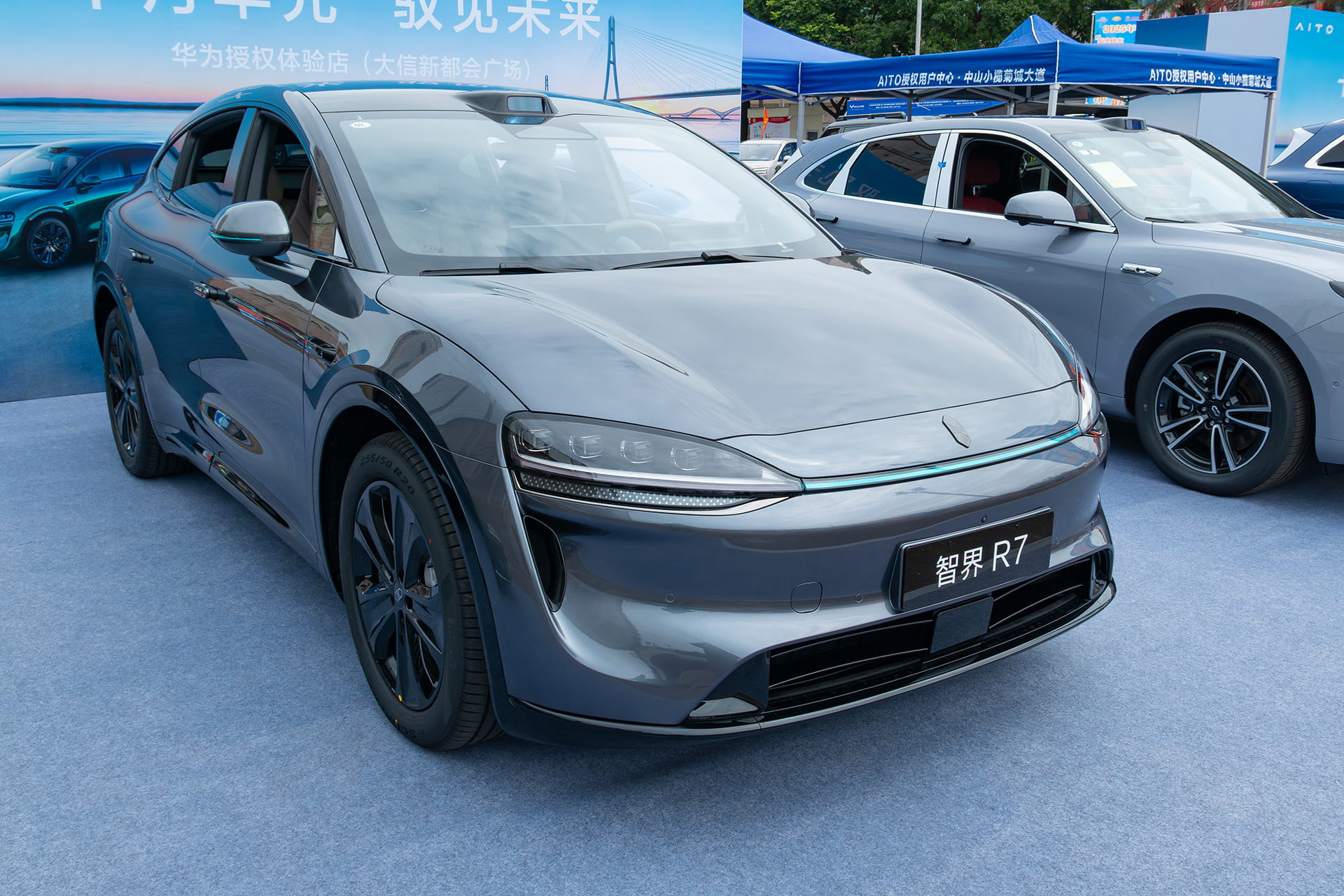
Seres is not the only HIMA member in need of support.
Chery Automobile, which develops the Luxeed brand with Huawei, saw deliveries fall 30% on the year in January-October. Though the automaker listed in Hong Kong in September 2025, its share price has underperformed and remains about 30% below its IPO level. To boost growth, Chery is spinning off the Luxeed business into a separate division and building dedicated production facilities.
JAC’s Maextro brand has been embroiled in controversy. A Chinese automotive information app reported that a brake pedal component failed during an emergency-braking test of the luxury multipurpose V800. The incident escalated into a formal investigation by authorities.
HIMA has leveraged Huawei’s powerful domestic brand cultivated through smartphones and other electronics to position itself as a premium-vehicle alliance, but has not escaped the intense “involution” competition that has hit China’s automotive sector.
Huawei’s smartphone business, once battered by US sanctions, has staged a comeback, yet remains in recovery. That means the auto business is still important to Huawei. But changes to electric vehicle subsidies and weak Chinese consumer spending make the market for new energy vehicles more challenging.
This article first appeared on Nikkei Asia. It has been republished here as part of 36Kr’s ongoing partnership with Nikkei.
Note: JPY, RMB figures are converted to USD at rates of JPY 159.80 = USD 1 and RMB 6.68 = USD 1 based on estimates as of November 16, 2026, unless otherwise stated. USD conversions are approximate and, where appropriate, rounded for ease of reference. They may not fully match prevailing exchange rates.