

OneRobotics reported revenue of RMB 522 million (USD 77.5 million) for the six months ended June 30, 2026, up 31.8% year-on-year, in its first interim earnings report since listing in Hong Kong.
Gross profit rose 22.5% to RMB 263 million (USD 39 million), while gross margin was 50.4%.
Behind the revenue growth was an early contribution from newer embodied intelligence products, including robots designed for household, sports, and companionship applications.
In the first half, OneRobotics began delivering its Onero H1 robot to customers. Together with the Acemate sports robot and Kata Friends companion robot, both launched in the second half of 2025, the three product lines and related products and solutions generated about RMB 68.4 million (USD 10.2 million) in revenue.
That represented 13.1% of OneRobotics’ total first-half revenue and 65.4% of the incremental revenue from its embodied home robotics system products.
The figures suggest that the newer products are beginning to contribute meaningfully to revenue, even though they remain at an early stage of commercialization.
Growth in Europe and North America also shifted OneRobotics’ geographic revenue mix.
Revenue from Europe rose 97.5% year-on-year to about RMB 134 million (USD 19.9 million), while revenue from North America increased 85.7% to about RMB 85.8 million (USD 12.7 million).
Together, the two regions accounted for 42.1% of total revenue, up from 28.8% a year earlier.
At the same time, OneRobotics increased spending on embodied intelligence. R&D expenses rose 73.3% year-on-year to RMB 102 million (USD 15.1 million), equivalent to 19.5% of revenue.
The company said the increase went mainly toward training its OneModel system, expanding artificial intelligence computing capacity and data collection, and adding R&D staff.
OneRobotics recorded a first-half net loss of about RMB 38.3 million (USD 5.7 million). Net foreign exchange losses totaled about RMB 42.7 million (USD 6.3 million), which the company said were largely related to currency translation effects on Hong Kong dollar deposits funded by proceeds from its global offering.
As of June 30, OneRobotics held about RMB 1.60 billion (USD 237.5 million) in cash and bank balances and structured deposits.
R&D spending rises as OneModel develops
Much of OneRobotics’ additional R&D spending in the first half went toward training and refining OneModel, along with expanding computing capacity, data collection, and its R&D team.
During the period, the company released OneModel 1.7 FrontoStria-RL, which it describes as a proprietary world action model.
OneModel is designed to connect several parts of a robot’s decision-making process, including understanding its surroundings, planning tasks, selecting skills, and executing actions.
According to OneRobotics, reinforcement learning feedback and the reuse of successful task executions allow the system to improve its ability to perform multiple tasks on physical robots rather than only in training or simulation.
The company also continued expanding its data collection and model-training infrastructure during the first half.
Through embodied intelligence training centers in Huizhou and Qianhai, OneRobotics has developed a system spanning task design, data collection, cleaning and annotation, quality evaluation, model training, validation, and feedback from physical robots.
For data collection, the company has developed equipment supporting several methods, including teleoperation of physical robots, first-person data capture, and portable manipulation data collection using what is known as a universal manipulation interface, or UMI.
These systems record robot actions, object states, environmental changes, and execution feedback during real-world tasks.


OneRobotics said the resulting data is used to train OneModel, evaluate robot capabilities, and validate tasks. Results from physical robot deployments are then fed back into the system for further model development.
New robot lines begin contributing revenue
OneRobotics’ embodied home robotics system products generated about RMB 453 million (USD 67.2 million) in revenue in the first half of 2026, up 30% year-on-year.
Onero H1, Acemate, Kata Friends, and their related products and solutions contributed about RMB 68.4 million.
That represented 13.1% of total company revenue and 65.4% of the year-on-year increase in revenue from embodied home robotics system products.
Commercial deliveries of Onero H1 began during the first half, while Acemate and Kata Friends also generated revenue across different markets and applications.
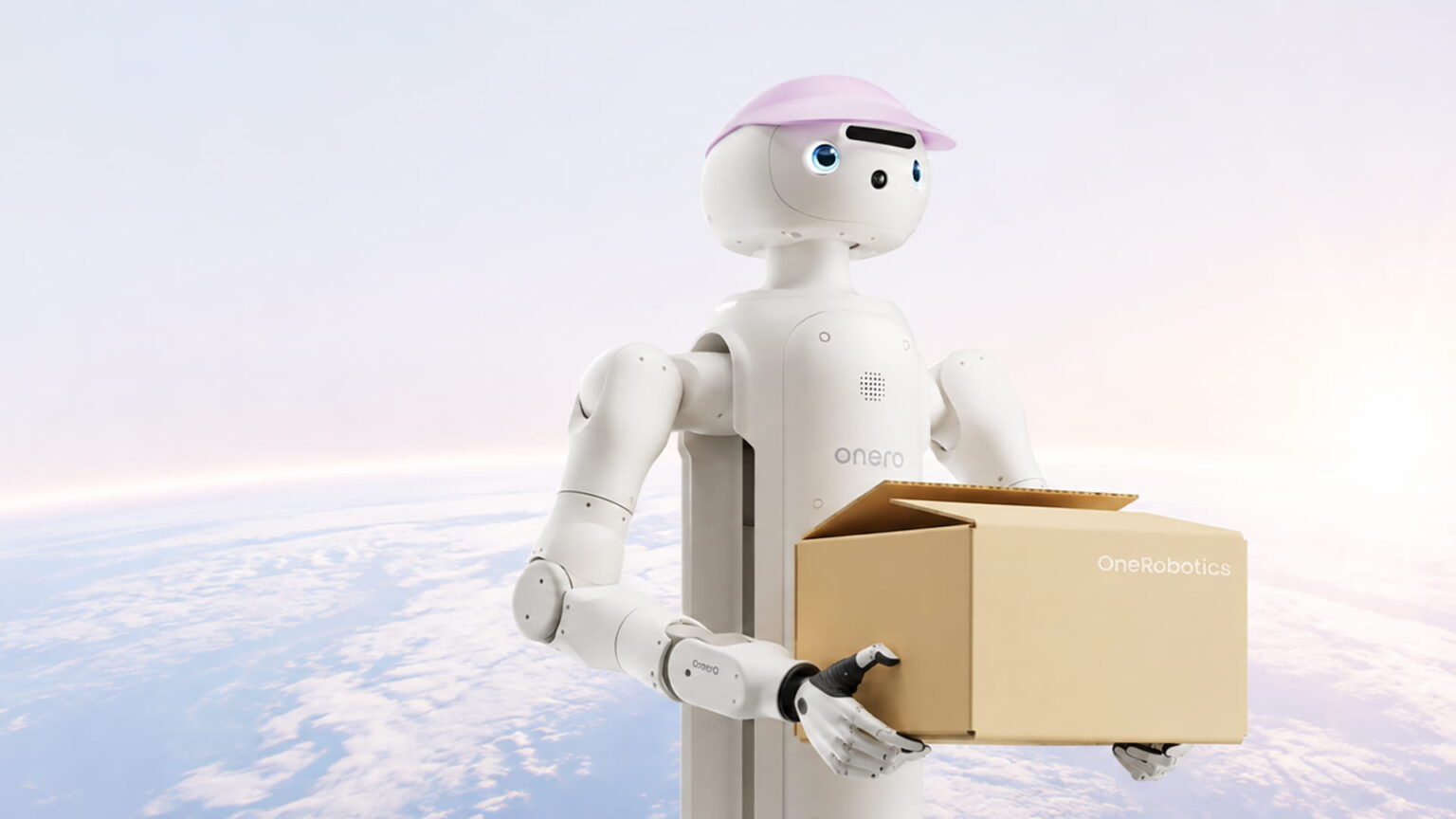
OneRobotics said Onero H1 uses OneModel to perform multistep tasks in specified household environments, including laundry, dishwashing, organizing objects, and preparing basic meals.
Those workflows require the robot to carry out multiple stages, including recognizing, grasping, carrying, manipulating, and placing objects.
The company plans to expand H1 deliveries and real-world deployments while continuing to work on performance, reliability, and the robot’s ability to transfer its capabilities across different environments.
It also plans to test H1 in retail, health and eldercare, and other service settings.
Vision systems expand into sports applications
For faster-moving tasks, OneRobotics said it uses binocular vision to recognize targets, determine their position, assess trajectories, and make movement decisions without external motion-capture equipment.
The company has applied related perception and control technologies to Acemate for tennis and Onero H1 for table tennis.
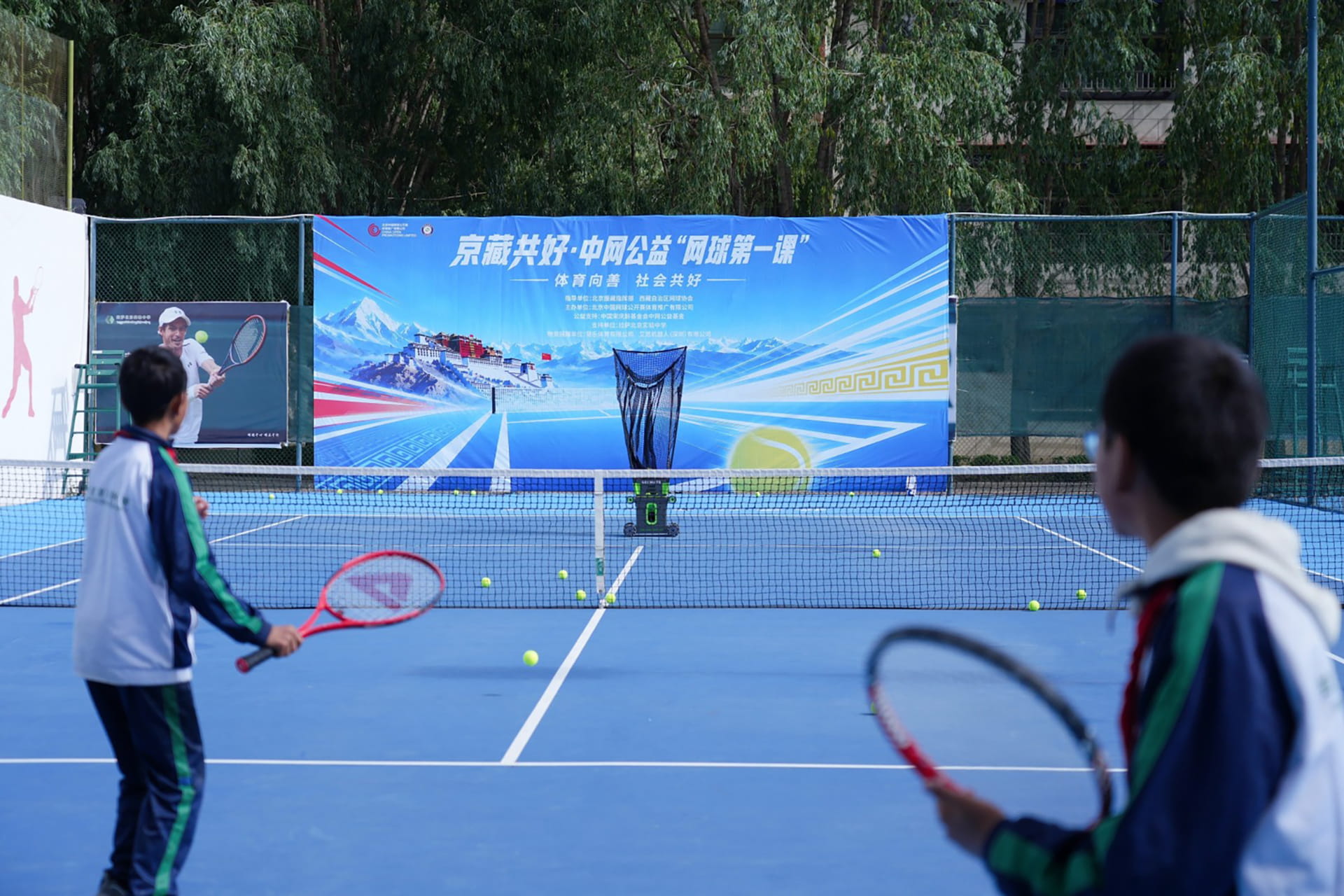
As of the date of its earnings announcement, OneRobotics said Acemate had been deployed in Beijing, Shenzhen, Shanghai, Guangzhou, and other cities, covering more than 1,100 standard tennis courts.
The robot has also been deployed at tennis venues, schools, and professional tournaments. OneRobotics said it has been selected as the designated tennis training robot supplier for the 2026 China Open.
The company plans to continue developing its AI vision, motion decision-making, and control systems while testing them in additional tasks.
In companionship applications, Kata Friends began deliveries in Japan, China, and Europe during the first half.
OneRobotics also signed a cooperation framework agreement with Shanghai Children’s Medical Center to explore the use of companion robots in nonclinical settings, including health education and emotional support for children.
The company said it plans to expand deliveries and market development for Kata Friends in its key markets.
Brokerage and index coverage expands
OneRobotics has also attracted broader coverage from securities firms since the first half of 2026.
More than nine domestic and international brokerages have published coverage or recommendations on the company, including CICC, Huatai Securities, Guotai Haitong Securities, Huayuan Securities, TF Securities, and Kaiyuan Securities.
Goldman Sachs also discussed OneRobotics’ OneModel system and data-training infrastructure in midyear research on China’s robotics industry.
Several brokerages have highlighted the company’s early overseas expansion and its focus on household, sports, and companionship applications. Those assessments reflect analysts’ views rather than company operating results.
OneRobotics has also been added to several robotics, AI, and broader market indexes.
It is a constituent of the Hang Seng HK-US Robotics Theme Index, which selects 20 securities from the Hong Kong and US markets, alongside companies including Nvidia, Tesla, and Alphabet.
OneRobotics is also included in the CSI HK Connect Robotics Thematic Index and the CSI SH-HK-SZ Artificial Intelligence 50 Index.
Internationally, it has entered the Solactive Global Humanoid Robotics Index and the Indxx Global Robotics & Artificial Intelligence Thematic Index.
Its inclusion has also expanded beyond thematic indexes.
Eight months after listing, OneRobotics was moved from the Hang Seng Composite SmallCap Index to the Hang Seng Composite MidCap Index. It is also scheduled to enter the Hang Seng Composite LargeCap & MidCap Index.
Those changes will be implemented after the market closes on September 4 and take effect on September 7.
OneRobotics has also entered broader international benchmarks including the STOXX Emerging Markets Total Market Index and the S&P Global BMI.
This article was adapted based on a feature originally written by Stone Jin and published on IPO Zaozhidao. KrASIA is authorized to translate, adapt, and publish its contents.
Note: RMB figures are converted to USD at rates of RMB 6.74 = USD 1 based on estimates as of September 3, 2026, unless otherwise stated. USD conversions are presented for ease of reference and may not fully match prevailing exchange rates.