



Chinese discount shopping platforms face greater tariff challenges worldwide, as changes to “de minimis” exemptions in the European Union (EU) and elsewhere make international shipments of low-cost goods less attractive.
Data compiled by market research firm Sensor Tower shows Temu’s monthly active users fell 18% on the year in October. The platform’s user base has been shrinking since June. Rival fast fashion retailer Shein’s user numbers also began dropping in July.
Tariffs are one factor. Since July 1, the EU has imposed a tariff of EUR 3 (USD 3.4) on imported parcels valued below EUR 150 (USD 168), ending preferential treatment previously available under the bloc’s de minimis exemption. An additional EUR 2 (USD 2.2) handling fee was introduced this month.
“I’ve stopped shopping on Temu,” a 38-year-old Frankfurt resident said, expecting prices to rise. This consumer previously bought car cleaning supplies, kitchen goods, and a doghouse through the platform.
Chen Lei, co-chairman and co-CEO of Temu parent company PDD Holdings, acknowledged at an August earnings briefing that the new EU tariff would increase costs for cross-border orders in the short term.
With consumption in China still sluggish, the country’s e-commerce companies have increasingly moved into cross-border retail since around 2022. PDD debuted Temu that year as an overseas marketplace and rapidly expanded into the US, Europe, Asia, and South America.
Ultralow-cost Chinese online retailers such as Temu and Shein have proven popular with US and European consumers amid sticky inflation. Amazon, which dominates e-commerce markets worldwide, has increased efforts to recruit Chinese merchants in response to growing competition from Chinese platforms.
China’s e-commerce exports reached RMB 2.27 trillion (USD 339.5 billion) in 2025, more than doubling over the past five years.
Though exports continue to grow, a slowdown is visible. As more countries revise their de minimis exemptions, growth in 2025 slowed to 5%, the weakest since 2019.
Concerns about the influx of low-cost Chinese goods have grown in destination markets, exposing Chinese platforms to greater regulatory scrutiny. In May, the European Commission fined Temu EUR 200 million (USD 224.1 million), accusing the company of failing to adequately assess and address risks related to illegal products sold on its platform.
Chinese e-commerce companies are adapting to the changing business environment.
Temu, no longer relying solely on low-priced exports from China, has begun recruiting local merchants. The initiative has expanded to roughly 40 countries, including Japan.
Holding inventories closer to consumers allows for faster delivery. Temu’s German website increasingly features advertisements boasting that purchases will arrive within one business day. Local sourcing also lets the platform offer products such as food that are less suited for traditional cross-border shipping models.
PDD also is moving into brand development, leveraging supply chains built through its e-commerce operations. Historically known for selling mostly unbranded low-cost goods, the company formed a subsidiary in Shanghai earlier this year and plans to invest RMB 100 billion (USD 15 billion) over three years.
Chinese media reports show Temu has launched its own stores on its platforms for markets including Japan and Canada. The stores sell apparel, bedding and other household products featuring IP from US animation franchises and other brands.
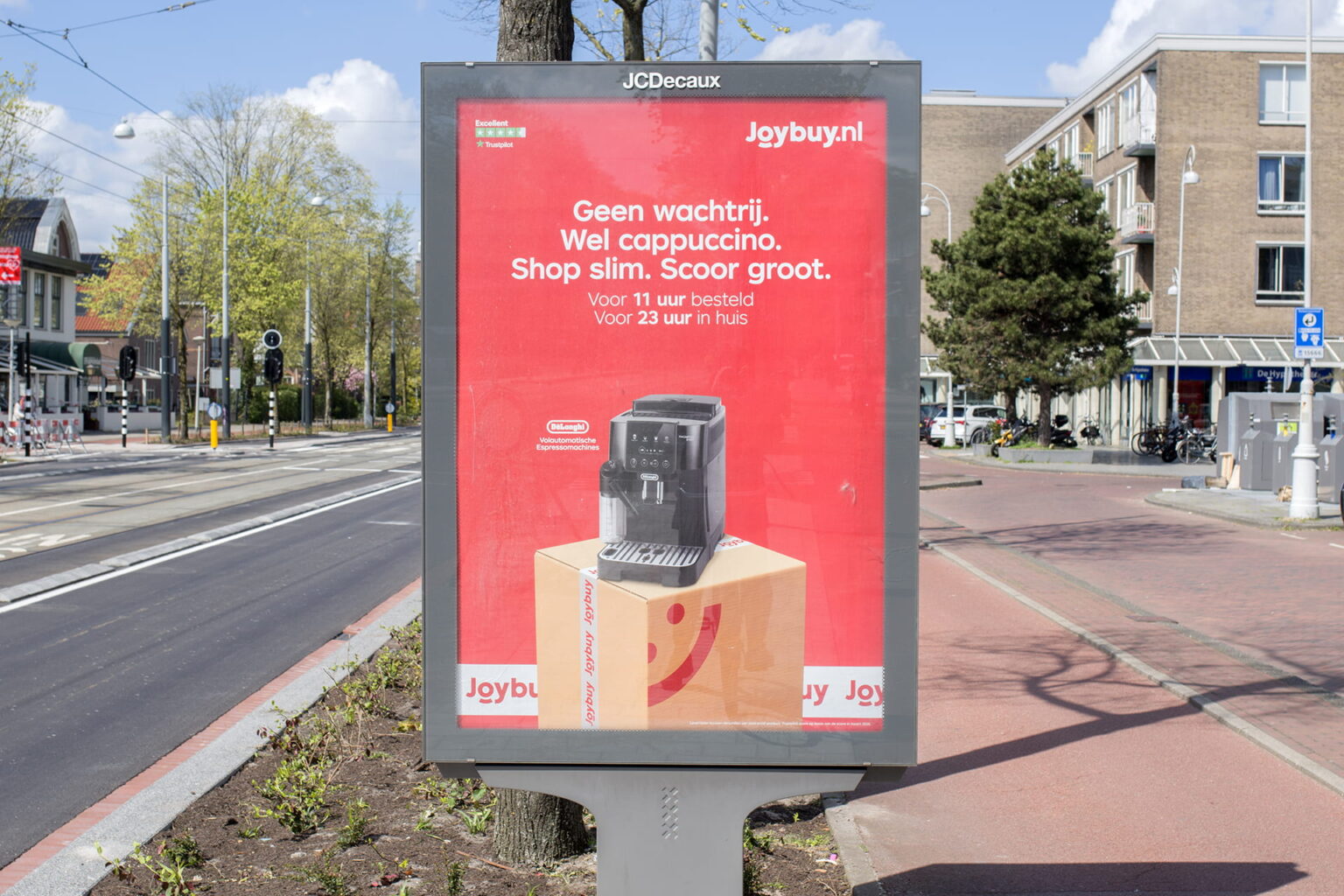
Some Chinese companies are exploring entirely new models rather than relying on cross-border e-commerce. JD.com entered the European market in March by launching its Joybuy online retail service. The platform uses locally based warehouses to speed deliveries.
Before debuting its e-commerce service, JD invested in building its own local logistics network. In some markets, same-day delivery is available. Though the model requires higher upfront investment than cross-border e-commerce, JD has employed a similar strategy in China and hopes to replicate that success in Europe.
During the heat wave that swept Europe in summer, products such as Chinese-made air conditioners sold particularly well. The company doubled revenue in two quarters, helped by services such as integrated delivery and installation for home appliances, CEO Xu Ran said.
European consumers offer mixed reviews. Some say they use Joybuy because prices can be lower than those on Amazon. Others note that the products they want remain available only through Amazon.
This article first appeared on Nikkei Asia. It has been republished here as part of 36Kr’s ongoing partnership with Nikkei.
Note: EUR, RMB figures are converted to USD at rates of EUR 0.89 = USD 1 and RMB 6.69 = USD 1 based on estimates as of November 10, 2026, unless otherwise stated. USD conversions are approximate and, where appropriate, rounded for ease of reference. They may not fully match prevailing exchange rates.