

Chinese brand goods like Songmont bags and Pane shoes are gaining a following among shoppers looking for quality items at reasonable prices, along with foreign travelers looking for local souvenirs.
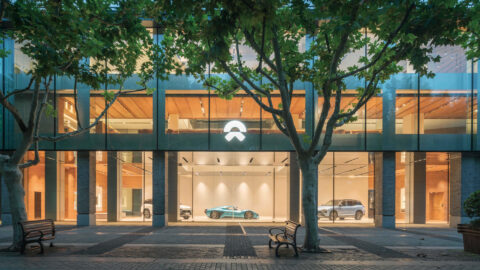
A Songmont store in Shanghai’s Huaihai Road shopping area has young shoppers and foreign visitors queueing up to enter even on weekdays. The brand, established in Beijing in 2013 by a team including a former Google employee, focuses on leather bags and has a reputation for quality and design.
Songmont takes inspiration from Eastern aesthetics, including ancient Chinese architecture and culture. Its signature crescent-shaped Luna bag, priced at RMB 1,880 (USD 280), can be worn four different ways by adjusting the straps.
“I like the brand’s great storytelling,” said a woman visiting the store, adding she had bought a gift there for a friend overseas.
Songmont has also expanded abroad, setting up shop in Thailand.
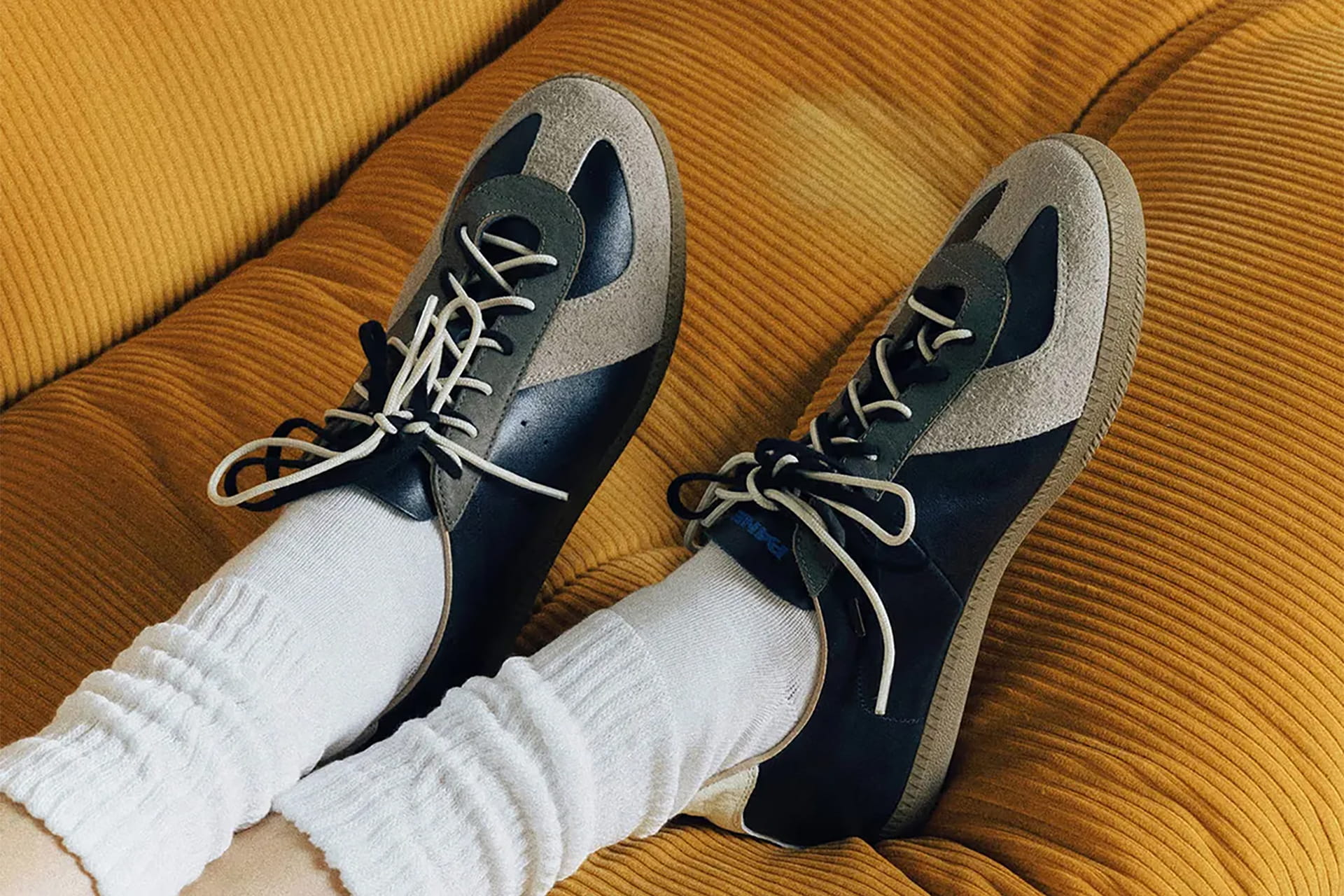
Shoemaker Pane has grown rapidly since its 2022 launch in Shanghai. The brand offers footwear with a retro style and a comfortable fit, with prices starting in the RMB 800 (USD 119) range per pair. Along with its stores, the shoes are available in chains like Japan’s United Arrows.
Pane’s gross merchandise volume on major Chinese e-commerce platforms for the January-June half nearly tripled on the year, according to Japanese analysis firm Nint. Its popularity has been boosted by a boom in thin-soled sneakers from brands like Adidas and Onitsuka Tiger.
Pane’s store on Huaihai Road was packed with foreign tourists. One man browsing the displays said he liked the shoes for their minimalism, which makes it so the brand is not obvious at a glance.
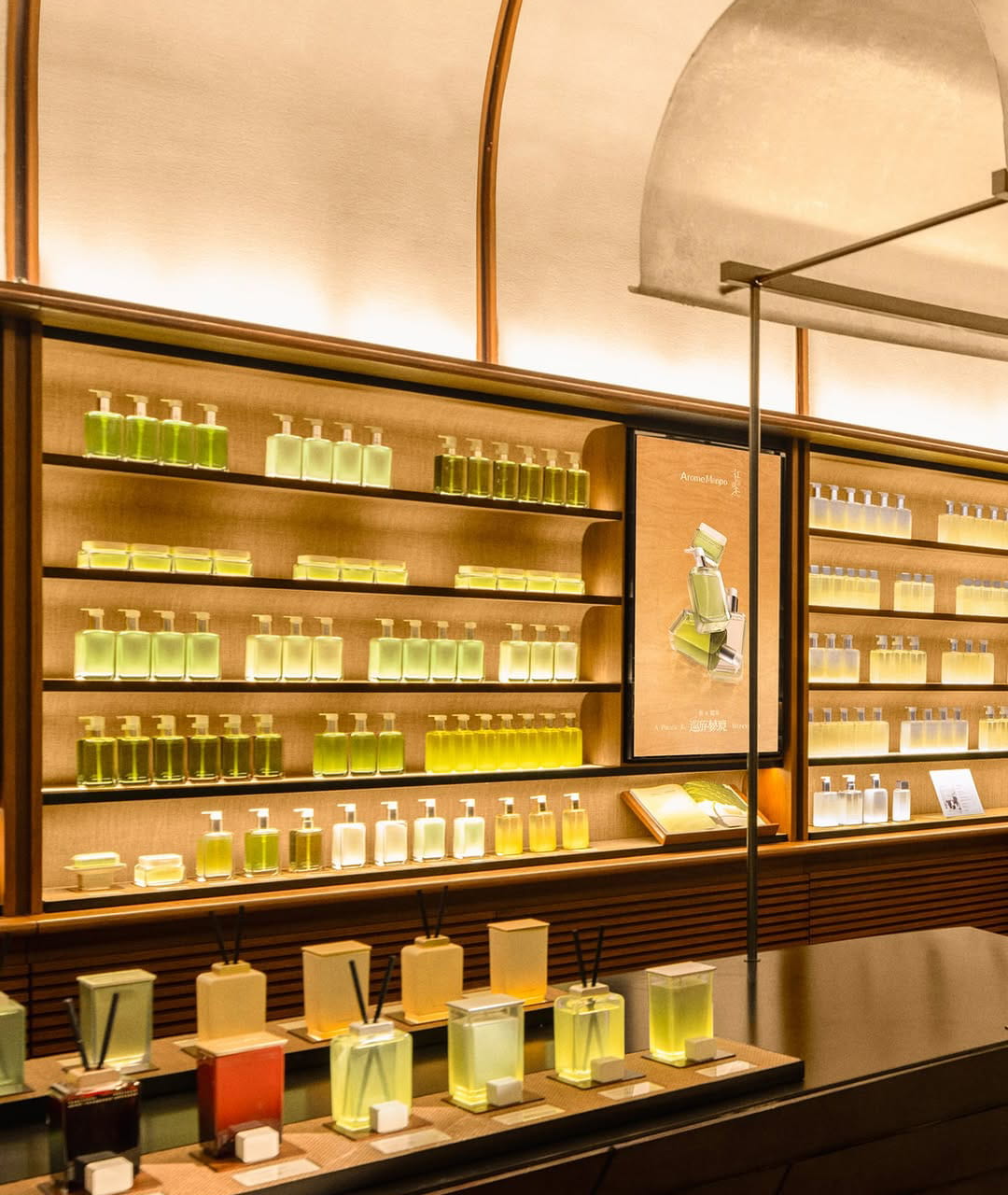
In cosmetics, Hangzhou-based AromeManpo offers skincare and body care products along with fragrances, including a flagship product line made with tuberose essence.
The brand initially focused on e-commerce but began opening stores in China last year. Its shops in Hangzhou and Shanghai have attached cafes where customers can try its original drinks.
These emerging brands are being buoyed by a shift in consumer values. While Chinese shoppers once favored foreign luxury brands, the slowdown in consumer spending has come with more rational behavior, with buyers carefully weighing price along with quality.
Their presence may grow in other markets as well. Some brands have expressed interest in expanding overseas, and are raising money from venture capital firms and other investors.
This article first appeared on Nikkei Asia. It has been republished here as part of 36Kr’s ongoing partnership with Nikkei.
Note: RMB figures are converted to USD at rates of RMB 6.70 = USD 1 based on estimates as of October 16, 2026, unless otherwise stated. USD conversions are presented for ease of reference and may not fully match prevailing exchange rates.