
Chinese authorities are seeking to tighten standards for the development and testing of electric vehicles after a high-profile incident ignited a national debate over whether the industry’s rapid rollout of new models is compromising safety.
Car companies will be required to conduct more rigorous testing of “innovative” features, covering at least 30,000 kilometers over a minimum of one year that spans two winters and one summer, according to draft rules released last weekend by the Ministry of Industry and Information Technology (MIIT).
Features such as fully hidden door handles and foldable screens will be banned in vehicles.
“In recent years … some car manufacturers have rushed to launch new products in response to market trends without conducting sufficient testing and validation, which has increased safety and environmental risks,” said the ministry, which is also China’s top automotive regulator.
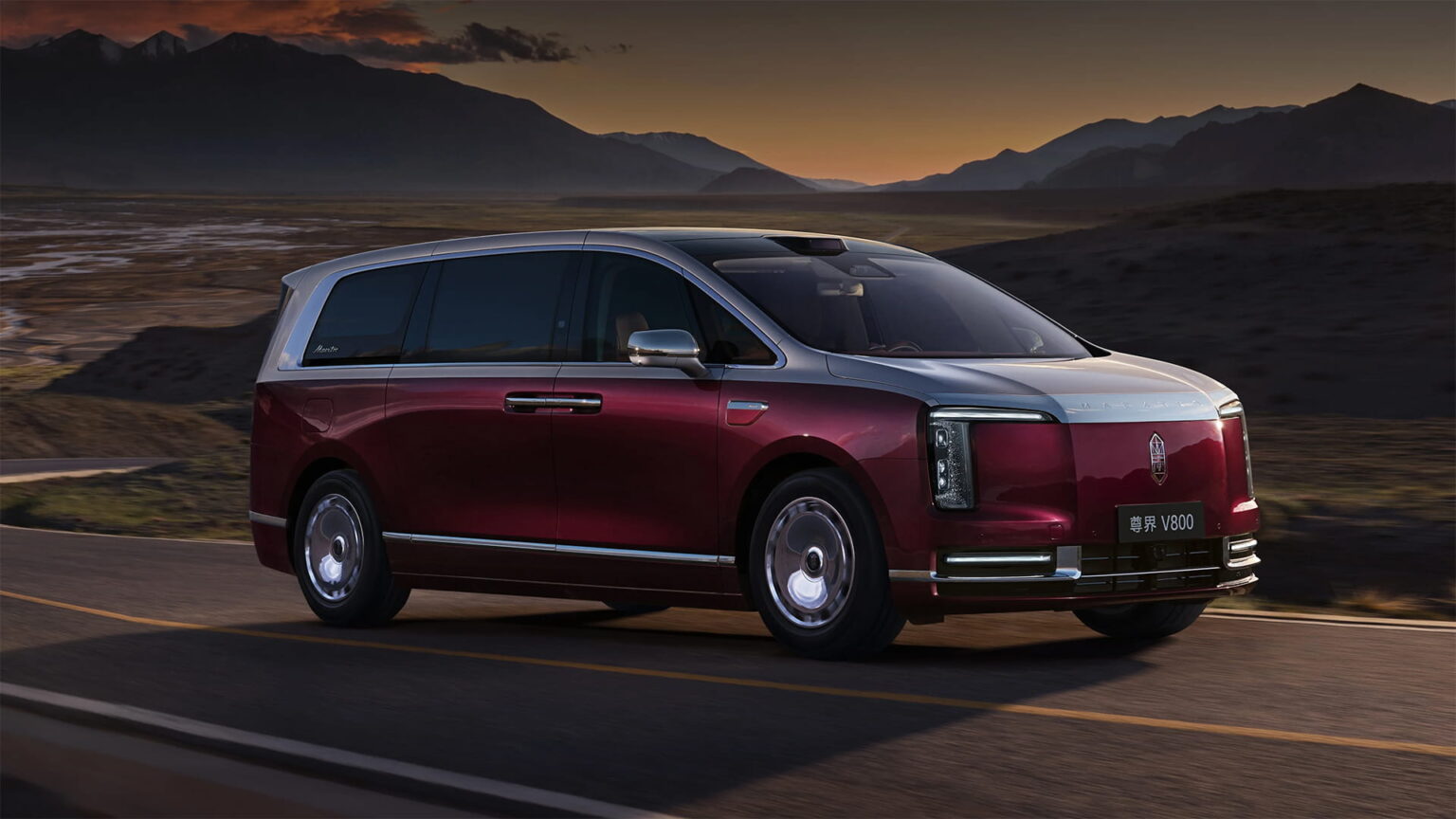
The proposed rules come days after a product review video showing a Chinese automotive blogger snapping the brake pedals in three Maextro V800 vehicles sparked widespread backlash. Launched in August with a starting price of RMB 766,000 (USD 114,000), the vehicle model was co-developed by technology giant Huawei and state-owned automaker JAC Motors.
Maextro said in a statement earlier this month that its braking system was designed and tested in compliance with standards exceeding current national requirements and the company will offer car owners a “free upgrade” option.
The stricter regulations will take effect on January 1.
“The MIIT’s move has effectively squeezed out the room for those ‘hastily-built cars,'” said Li Yanwei, a member of the expert committee of the China Automobile Dealers Association, referring to automakers’ breakneck pace of product launches and their practice of fixing problems through over-the-air updates.
Li added that cutthroat competition in China’s overcrowded automotive sector has forced young EV brands to jockey for market share with a relentless churn of new models, averaging almost one per day since the start of the year, by his estimate.
“They’ve exploited regulatory loopholes to streamline processes and cut costs,” Li said. “But the holes will be patched next year.”
Huawei’s EV business, known as Harmony Intelligent Mobility Alliance or HIMA, has established a reputation for helping state-owned automakers develop software-defined vehicles, build sales networks, and devise marketing strategies. Those state players have been slow to embrace the industry’s shift to EVs, in part because of cumbersome bureaucracy.
“Other people spend three years building one car, while we built three cars in just one year,” Yu Chengdong, a Huawei executive director who led HIMA, once said in an interview with state media, citing his team’s hard-charging spirit. Founded in 2021, HIMA now encompasses eight EV brands.
Some Chinese EV startups have shortened development cycles from the traditional industry norm of more than 40 months to just over 20 months while lowering costs by 30%, according to a report by consultancy AlixPartners. The report attributed the changes to flatter hierarchy, the use of digital simulations to test software-hardware compatibility and an acceptance of “good enough” solutions.
Beijing is also concerned that some industry practices could hurt the reputation of Chinese marques overseas.
Earlier this month, Malaysia suspended sales of the Omoda 5 SUV, produced by Chinese carmaker Chery, pending an investigation into an accident in which the vehicle’s rear axle broke off.
In a guideline issued in September, Chinese regulators warned car manufacturers against exporting a price war to overseas markets. Companies “must not disrupt market order to gain an unfair competitive advantage,” they said. “[They should] avoid frequent and significant price adjustments that could harm the interests of overseas consumers or damage brand image.”
On October 12, China said it will cut the value-added tax rebate for exported EVs from 13% to 9%, effective April 1, 2027, in a move aimed at reducing exporters’ reliance on subsidies. Chinese automakers have increasingly turned to overseas market to offset slowing sales at home in recent years. But the push to expand abroad has also subject the industry to trade friction with other countries, including members of the European Union.
This article first appeared on Nikkei Asia. It has been republished here as part of 36Kr’s ongoing partnership with Nikkei.
Note: RMB figures are converted to USD at rates of RMB 6.70 = USD 1 based on estimates as of October 16, 2026, unless otherwise stated. USD conversions are approximate and, where appropriate, rounded for ease of reference. They may not fully match prevailing exchange rates.