



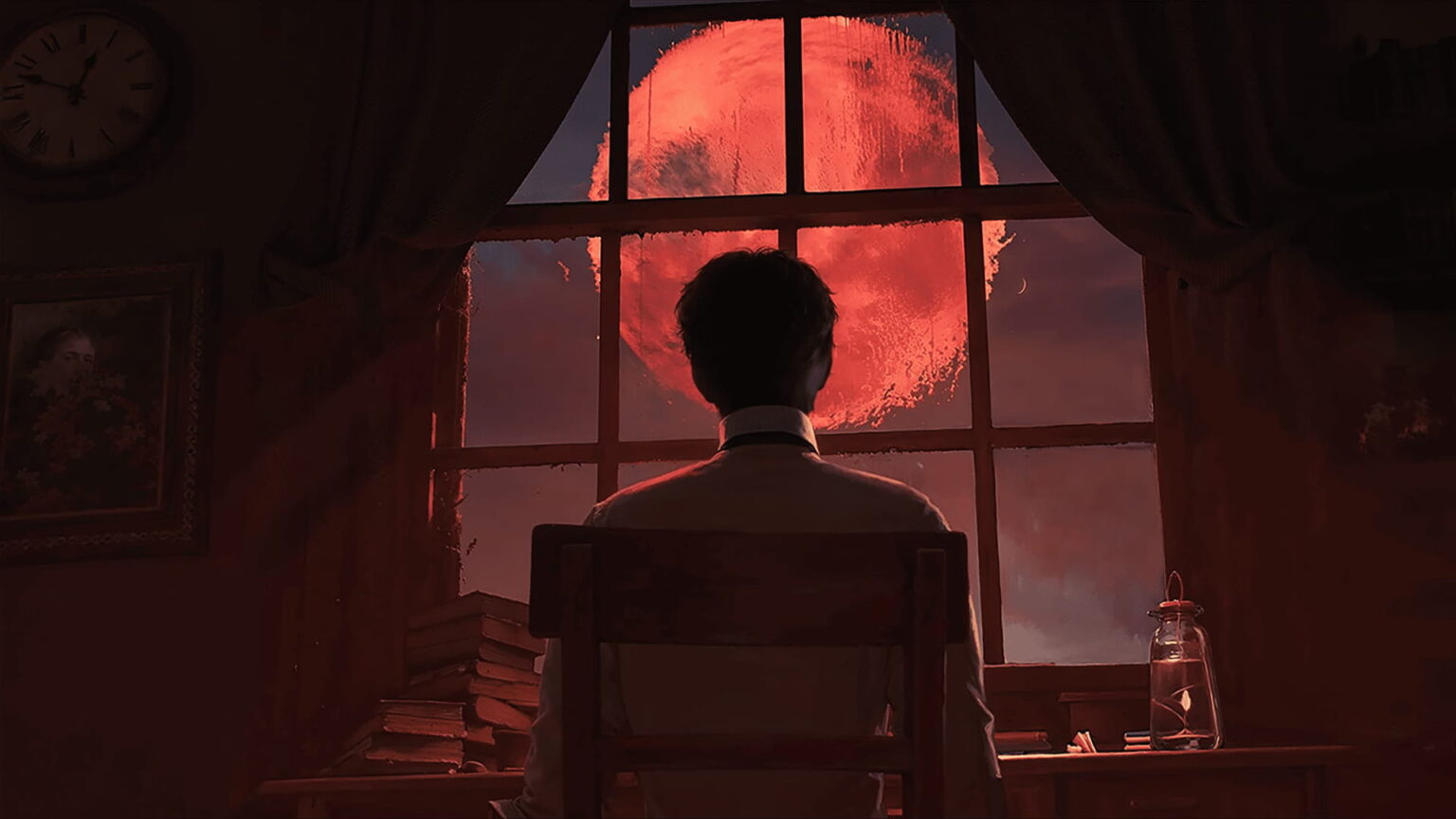
The multiplayer online game adaptation of the web novel “Lord of Mysteries” has launched.
The game has drawn considerable attention since it was first unveiled in 2023. Its debut videos on Bilibili racked up millions of views, reflecting strong early interest.
Before launch, the title attracted 2.1 million pre-registrations on TapTap, making it the most pre-registered upcoming MMO game on the platform, according to 36Kr. That is notable at a time when the MMO genre has been losing momentum. After launch, the game also climbed to the top of the iOS free chart.
Lord of Mysteries arrived with significant advantages and equally large ambitions. The novel it is based on is one of the breakout titles to emerge from Qidian in recent years and has broken multiple records for Chinese web fiction, according to 36Kr. Its developer, meanwhile, is Kuaishou-owned Spark Nexa, a studio with substantial resources behind it.
According to an official announcement, the game was built entirely on Unreal Engine 5, with a project team of more than 600 people. Total spending to date, including marketing, has exceeded RMB 1.2 billion (USD 178.1 million).
Even by industry standards, that is an unusually large starting budget.
What kind of game should this IP become? That was a question the development team repeatedly wrestled with around the time of the game’s first reveal. It was also what fans of the IP most wanted to know.
As Kuaishou’s in-house game development brand, Spark Nexa has made Lord of Mysteries its most important project to date. If it succeeds, the game could generate substantial returns, satisfy existing fans, and bring in users who have never read the novel. If it misses the mark, however, the project could prove costly for Spark Nexa and Kuaishou, both financially and reputationally.
Judging from the public launch, the team ultimately settled on an approach that is relatively restrained in design philosophy but aggressive in spending.
Around the game’s second closed beta, the Lord of Mysteries team disclosed more details about the developers behind the project. Its producer is Xu Jie, formerly director of NetEase’s Zhurong Studio and a former producer of Sword of Justice. Most of the core team also came from major game companies and brought years of MMO development experience.
Lord of Mysteries ultimately followed a path the team knew well: adapting parts of the playbook NetEase used for Sword of Justice.
In practice, the similarities run deep. Even the marketing style of the game’s official social accounts bears a strong resemblance.
Many of the title’s gameplay systems and monetization mechanics echo ideas already tested across successful versions of Sword of Justice. The parallels range from resource allocation and pacing around daily dungeons, weekly dungeons, and premium monthly passes to lower-level design choices such as system architecture and control schemes.
For example, Lord of Mysteries divides a player’s daily activity into two broad categories: playing content and collecting rewards. Through an “easy win” system, players can take part in the day’s recommended activities and earn stamina, which can then be spent to unlock various rewards. Stamina also regenerates naturally over time.
Sword of Justice has spent years validating similar systems, reducing some of the design risk.
Still, it would be unfair to reduce Lord of Mysteries, as some online commenters have, to little more than a Western-inspired reskin of Sword of Justice.
Sword of Justice’s broader structure is arguably one of the safer options available today. It is also the design Xu and his team understand best. Once they had committed to making a traditional MMO game, there was little reason not to build on a framework they already knew well.
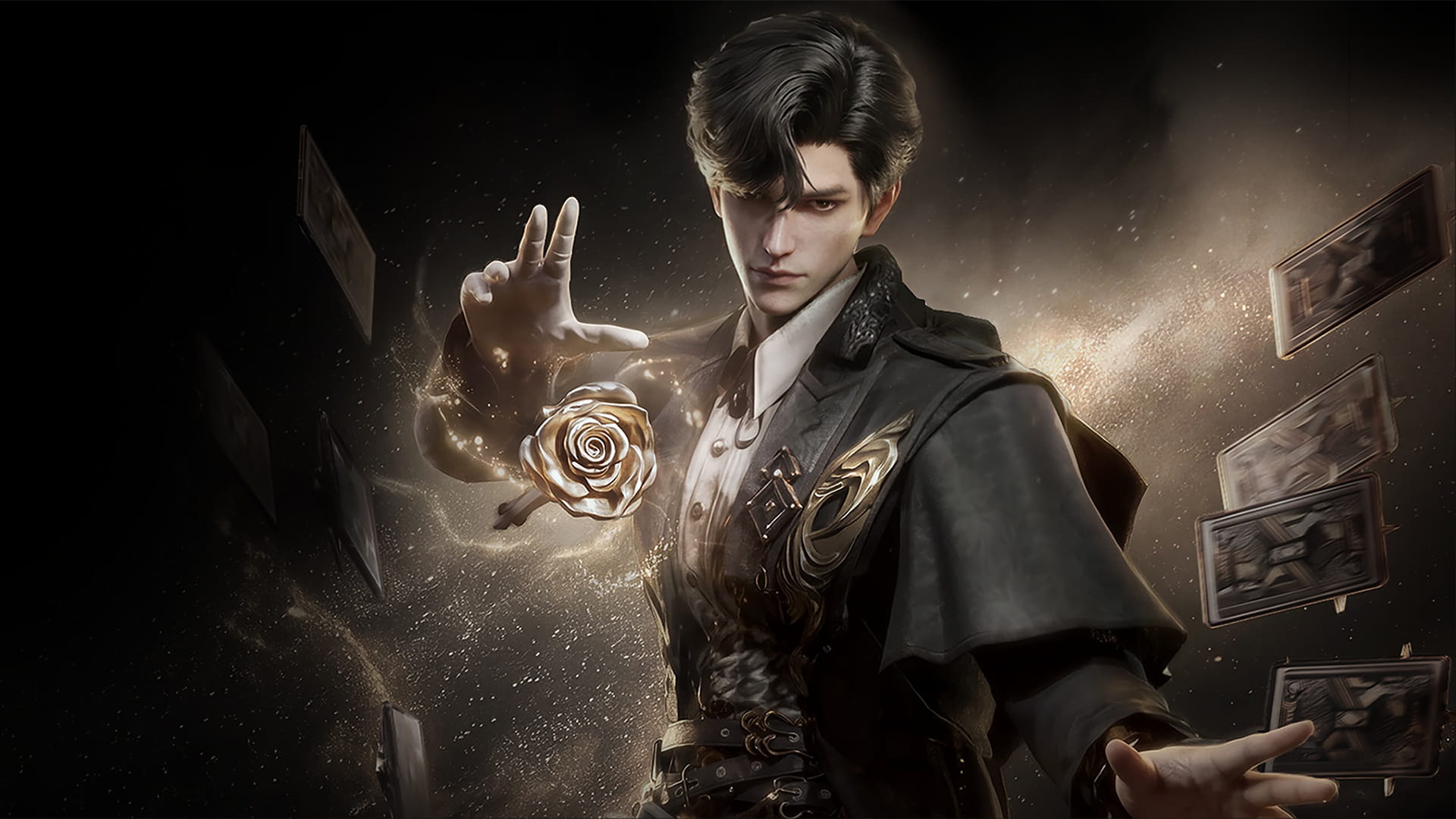
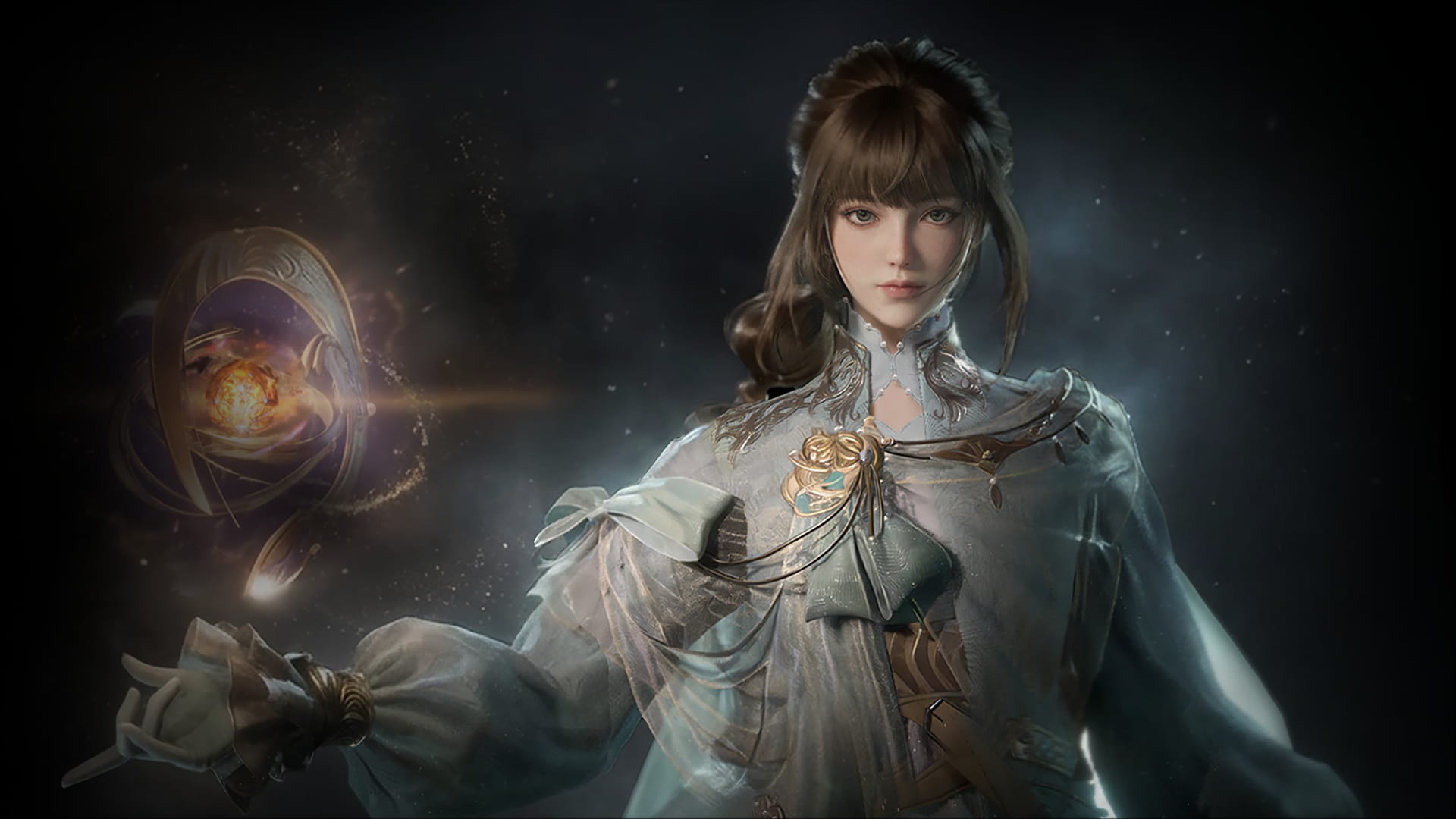
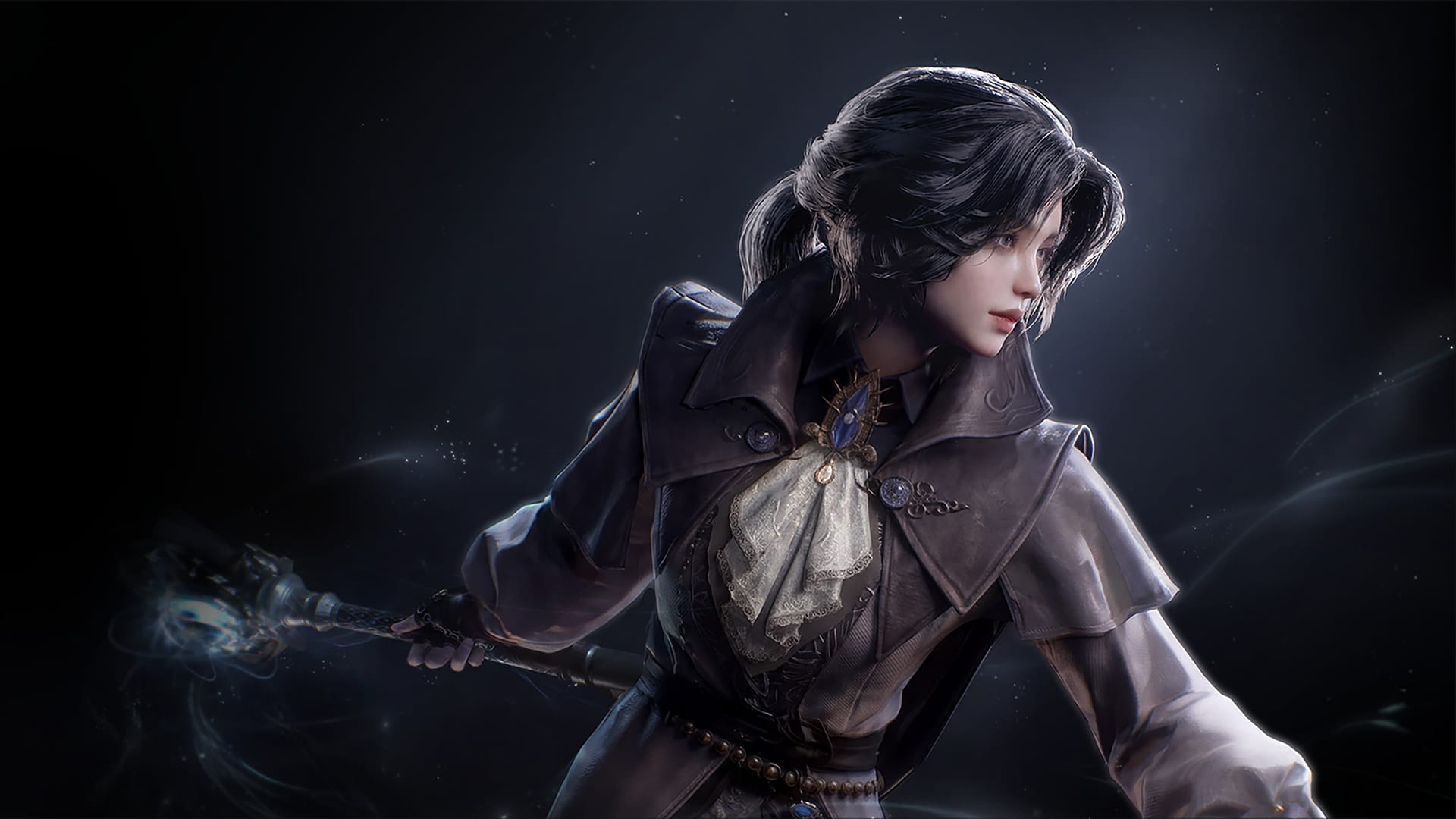
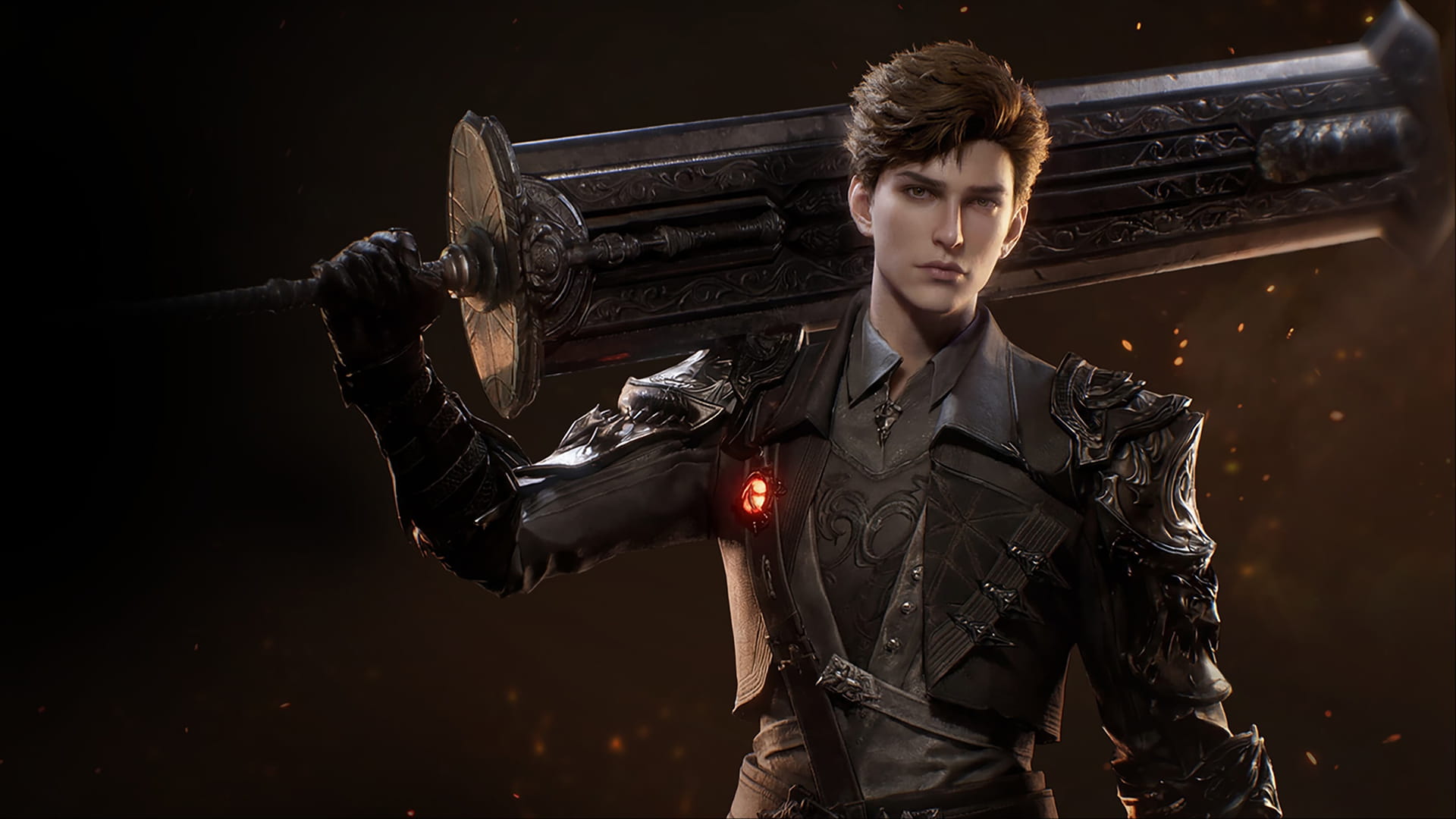
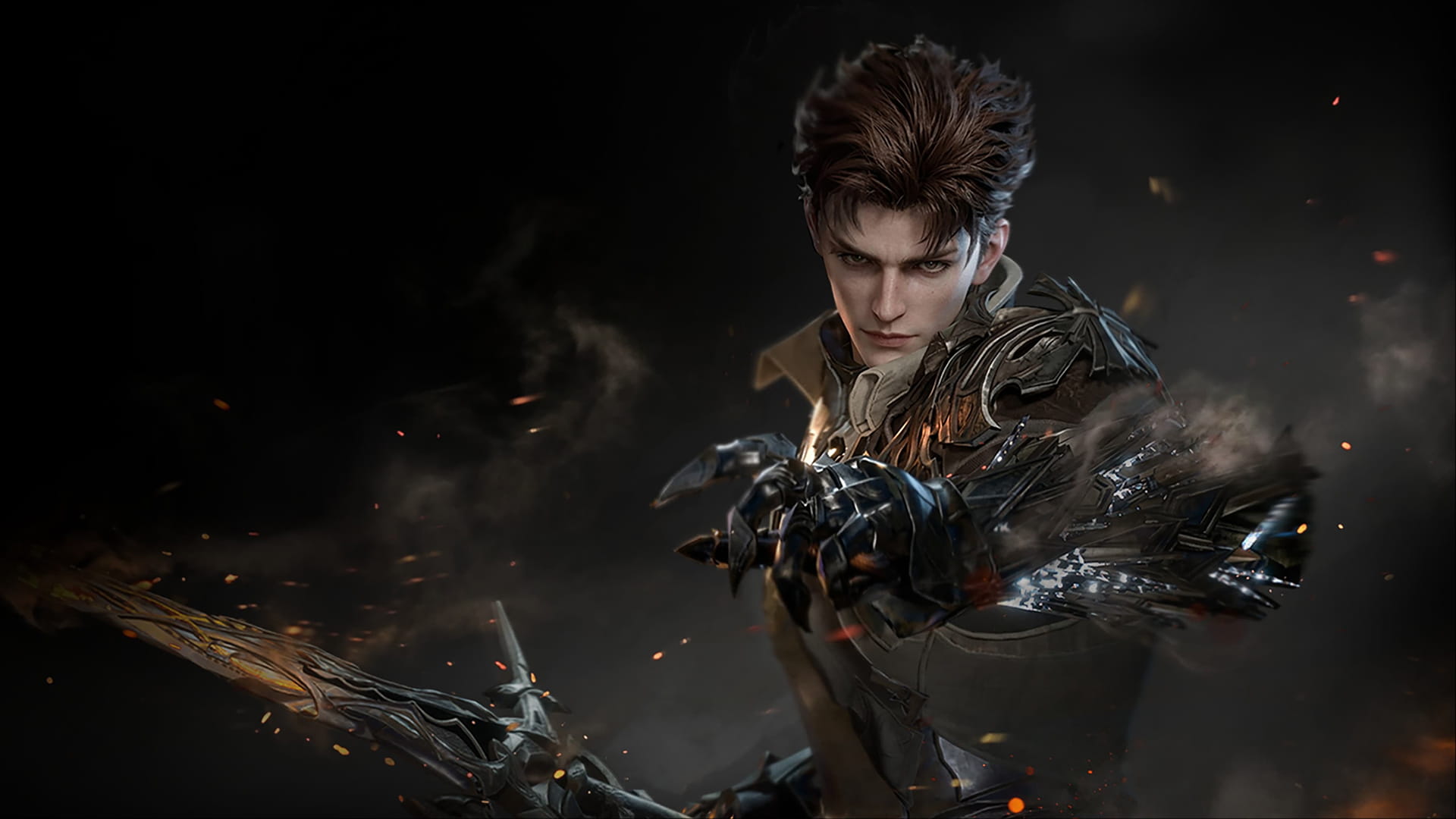
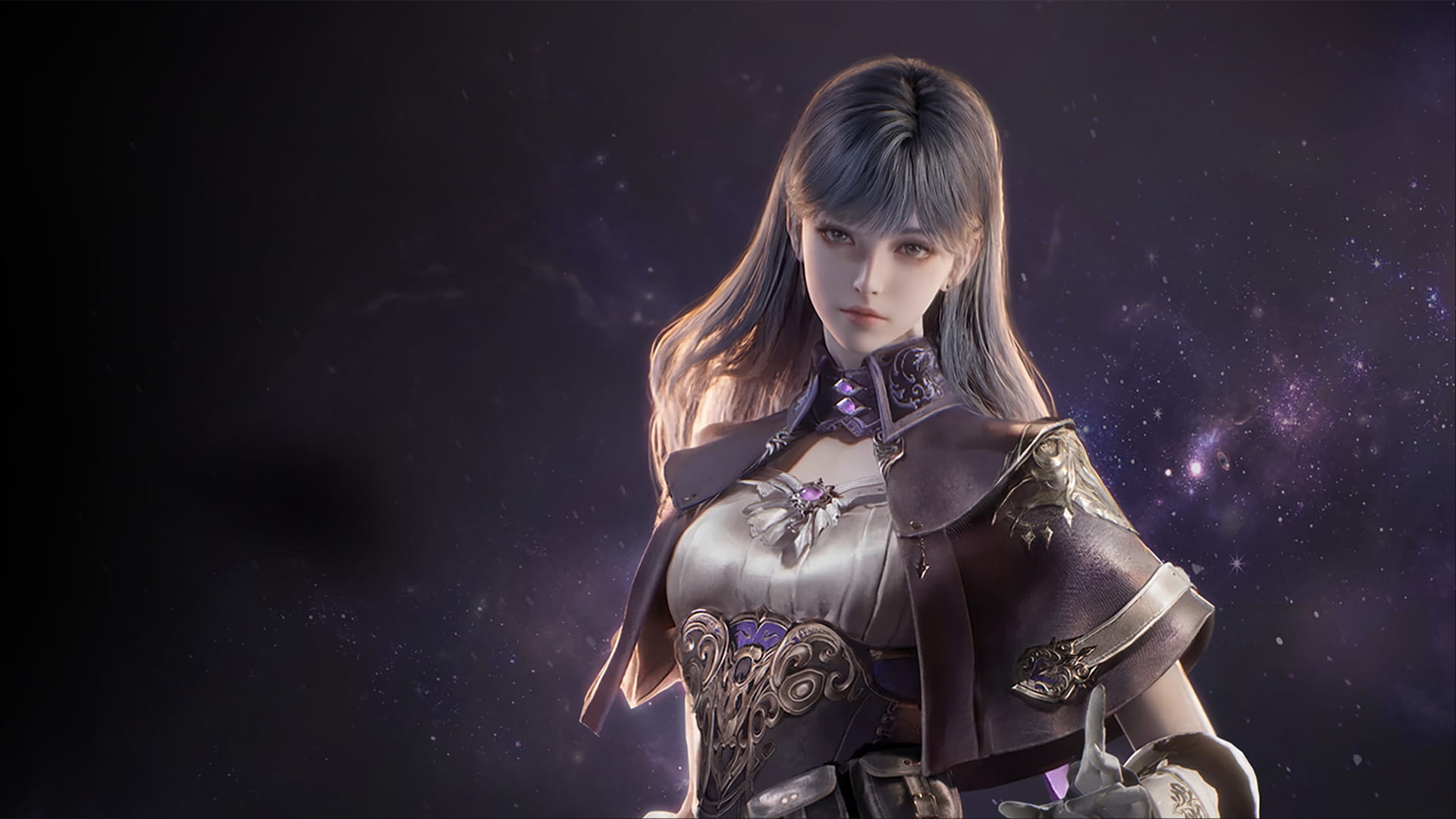
A safer foundation also gave Lord of Mysteries more room, and more budget, to experiment where there was little precedent to follow. At the broadest level, that meant asking how Unreal Engine 5 might be used to create something suited to a new era. At a more granular level, it meant figuring out how the IP itself should shape the game’s art direction, narrative, and other content.
For all its advantages, Lord of Mysteries is also attempting something unusually difficult.
MMO games are losing market heat, while adaptations of existing IPs are often met with skepticism from the outset. The project comes with clear advantages, but also meaningful constraints.
The art alone appears to have required considerable effort. The novel’s Victorian-era setting has relatively few ready-made design references, whether from history or existing commercial works, that fit contemporary visual tastes. For Lord of Mysteries to make that aesthetic work, it effectively had to build its own visual language.
So far, the game’s visual design largely delivers.
From the earliest in-engine environment footage to the streets and scenery of Tingen, its costumes, and its urban spectacles, the game offers plenty that can feel fresh even to players unfamiliar with the IP. Readers of the novel, meanwhile, will likely have little trouble connecting locations in the game with scenes they had imagined from the book.
But the IP’s story also leans heavily on mystery and an unsettling Lovecraftian sensibility, which demands equally precise visual treatment. Go too light, and the game risks losing its sense of the uncanny and horrific. Push too hard, and it can dissolve into a barrage of visual effects. The challenge is somewhat similar to Chinese horror, where atmosphere often matters more than spectacle.
Unreal Engine 5 can clearly provide a high ceiling for that kind of atmospheric design. But the game did not unlock much of its main storyline on launch day, making it too early to reach a firm conclusion about how well it ultimately executes on that promise.
What can already be said is that Lord of Mysteries has delivered at least a competent first showing in narrative design and in the breadth of its gameplay.
At first glance, the game’s story makes it seem as though players will take on the role of the novel’s protagonist and simply replay the original narrative in game form.
That may sound like the safest possible option, but it creates problems of its own. If the developers want to respect the source material and its fans, they have limited room to make major changes to the plot. That, in turn, can constrain game systems and the pacing of future updates.
In the end, Lord of Mysteries chose to do both.
The game currently has two storylines.
The original storyline takes place two years after the ending of the novel. Players assume the role of a character selected by Klein, or more precisely by the Tarot Club as a whole, and arrive in Tingen with a mission to stop a crisis threatening the world.
With the original author, Yuan Ye, also known by the alias Cuttlefish That Loves Diving, overseeing the adaptation, the new storyline largely remains consistent with the tone of the source material. Some original side quests had already received considerable praise from players during testing.
At the same time, Lord of Mysteries preserves the novel’s entire original storyline through its quest line. And “entire” really does mean entire: every line of dialogue has been retained, without adding or removing a single sentence.
The game even scatters some of the novel’s smaller everyday stories throughout the streets and alleys of Tingen, allowing players to trigger them through interactions as they pass by.
For fans of the IP, that is likely to be welcome news. Many adaptations have been criticized for departing too far from their source material.
The game also offers an immersive third-person, over-the-shoulder camera option. Even players who have little interest in the broader MMO experience can, in theory, approach it as a single-player spinoff of the IP.
That is, provided they can overlook some of its more conspicuous MMO habits. In one story sequence, for instance, smashing open a box requires the player to interact with it twice.
Beyond its main systems, Lord of Mysteries is packed with additional gameplay.
Its exploration system is divided into two modules, spanning shooting, puzzles, roguelike elements, tabletop role-playing-inspired mechanics, and other smaller gameplay formats.
After 8 p.m. each day, the game also activates a mode during which neither NPCs nor players are bound by the laws of Tingen, turning everyone against one another as they scramble to seize resources across the map.
Players who get lucky can even obtain in-game vouchers, which can be exchanged for any cosmetic sold directly in the in-game shop.
The game also features a distinctive mode that can place as many as 1,000 players on the same battlefield across four competing factions.
For more competitive participants, the developers have created a dedicated server with entry restricted to the top four clubs by points in each competitive division, for a total of 16 clubs. The eventual winner receives an exclusive cosmetic set and a permanent battle flag.
The volume of extra content being layered into the game is substantial and reflects the project’s sizable budget.
As future updates roll out, the developers are likely to continue introducing side modes. If that pace holds, players looking for different kinds of content should have a broad range of options.
Judging from the public launch, the game’s breadth has likely exceeded what many expected, even though the developers spent much of the first half of the year talking about capturing the fundamental appeal of MMO games.
The broader product thesis is becoming clearer.
Lord of Mysteries has adopted an IP adaptation playbook used by leading games in the category while using the source material’s subject matter and visual identity to carve out a different position in a market crowded with wuxia and xianxia MMO titles.
In doing so, it is also testing how far the genre’s conventions can be stretched.
When people think of Western fantasy MMO games, they still tend to picture familiar conventions: multiple races, multiple classes, and a large open world.
Just as the original Lord of Mysteries novel broke with some of the usual progression formulas and narrative pacing of Chinese web fiction, the game is also trying to challenge entrenched assumptions about MMOs and some of the genre’s self-imposed constraints.
Put simply, the Lord of Mysteries team may be traveling down a familiar road, but it has ideas of its own.
It does not want to simply repeat the traditional MMO formula or the standard playbook for IP adaptations. It is trying to find a different branch of the genre and explore territory that remains relatively underdeveloped.
The current Lord of Mysteries may not yet fully realize that ambition. It also remains some distance from showing what MMO games can ultimately achieve with Unreal Engine 5.
There are still questions over how well the team can optimize the game, balance competing player demands over time, and build signature content that meaningfully differentiates it.
Outside the product itself, Spark Nexa faces challenges of its own.
The studio has been around for four years and is staffed largely by industry veterans. But Lord of Mysteries, its first core product and one that has been in development since the studio’s earliest days, was inevitably shaped by the growing pains of Spark Nexa and Kuaishou learning to work together.
Much of the skepticism directed at Spark Nexa by online commenters stems from the lackluster performance of its past products.
There are broader precedents as well. Alibaba and ByteDance are among the internet companies that have suffered setbacks of varying severity in their attempts to build in-house game development businesses.
Kuaishou’s organizational changes earlier this year offer another indication of the challenge.
Companies with deep roots in the internet sector often group games, short-form dramas, and novels under a common content umbrella. But games frequently operate according to very different production cycles and commercial considerations. Treating all three as essentially the same business can result in substantial investment without equivalent returns.
One difference is that, compared with Lingxi Games and Nuverse, Spark Nexa appears to have greater independence and more influence over its own direction. Within Kuaishou, it also remains a relatively young business line.
For Kuaishou to achieve the kind of expansion that other internet companies have struggled to pull off may now depend, at least in part, on how Lord of Mysteries performs over the longer term.
KrASIA features translated and adapted content that was originally published by 36Kr. This article was written by Guo Pu for 36Kr.
Note: RMB figures are converted to USD at rates of RMB 6.74 = USD 1 based on estimates as of August 28, 2026, unless otherwise stated. USD conversions are presented for ease of reference and may not fully match prevailing exchange rates.