



Aridge, the flying car subsidiary of Xpeng formerly known as Xpeng AeroHT, is developing an aircraft for longer-distance passenger travel as it seeks to commercialize electric vertical takeoff and landing (eVTOL) technology across different applications and markets.
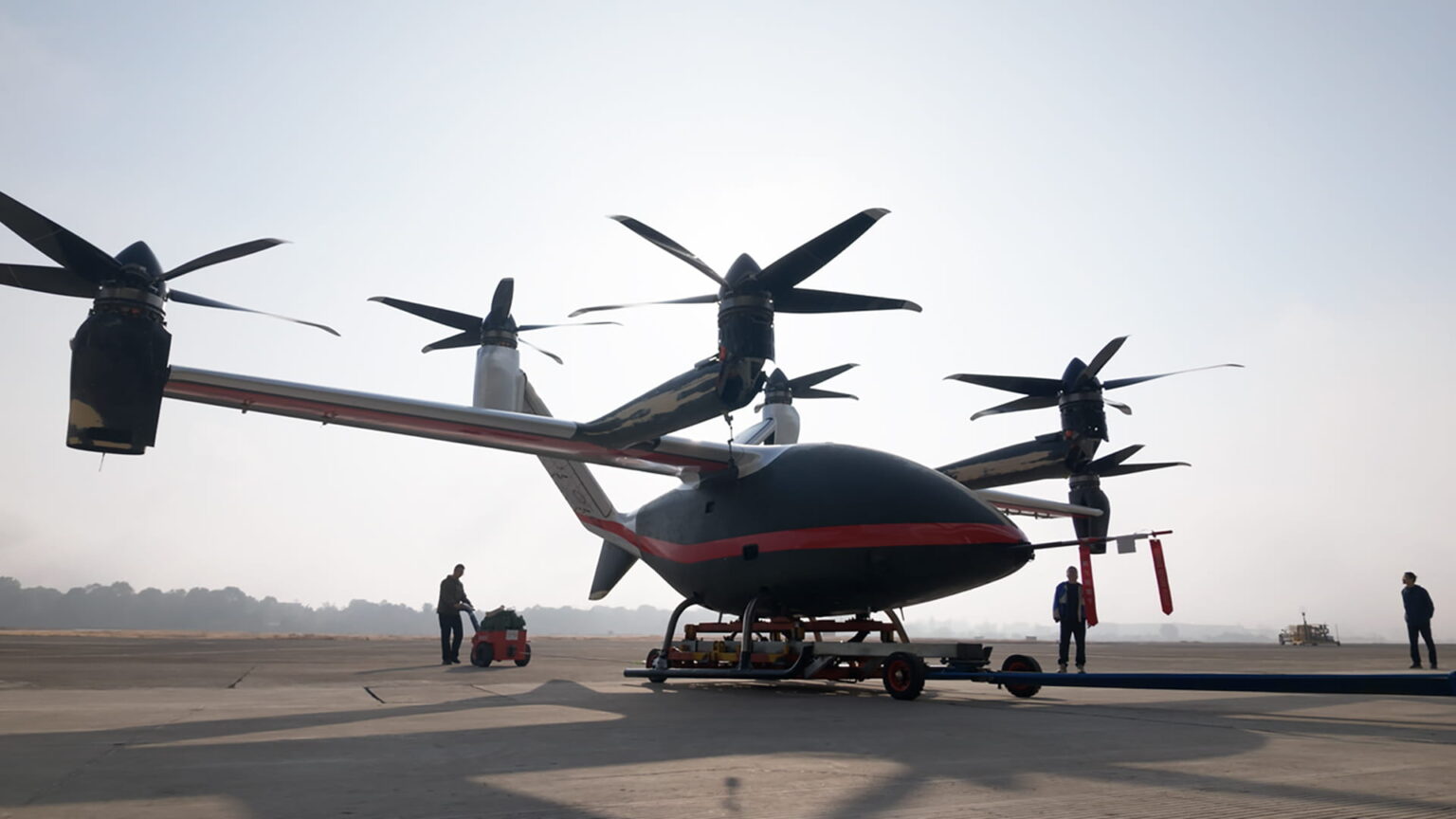
The company said on November 23 that its A868 prototype had completed a full-scale tiltrotor transition flight, switching from vertical lift to fixed-wing cruise before reversing the process for descent. The milestone comes about a year after the prototype’s first vertical takeoff and landing test.
The significance of the test lies in the eVTOL aircraft’s configuration. Unlike designs in which some rotors are dedicated to vertical lift, the A868 uses a full-tiltrotor architecture. Its rotors, assemblies of spinning blades that move air to generate lift or thrust, can all change orientation to lift the aircraft vertically or propel it forward.
According to Aridge, this configuration reduces the weight and aerodynamic drag associated with carrying dedicated lift systems during cruise, making it better suited to longer-distance flights. The tradeoff is greater engineering complexity, particularly in coordinating the tilting mechanisms with the aircraft’s flight control systems.
The A868, previously unveiled as a six-seat aircraft, uses a hybrid powertrain and is designed to achieve a range of about 500 kilometers and a cruise speed of around 360 kilometers per hour. It incorporates backup flight control and electric drive systems designed to maintain flight capability in the event of certain system failures.
The aircraft represents a different commercial proposition from Aridge’s first product, the “Land Aircraft Carrier,” or LAC, a modular vehicle comprising a six-wheeled ground vehicle and a detachable aircraft. While the LAC is geared toward personal and recreational flight, the A868 is being developed for business commuting and intercity passenger travel.
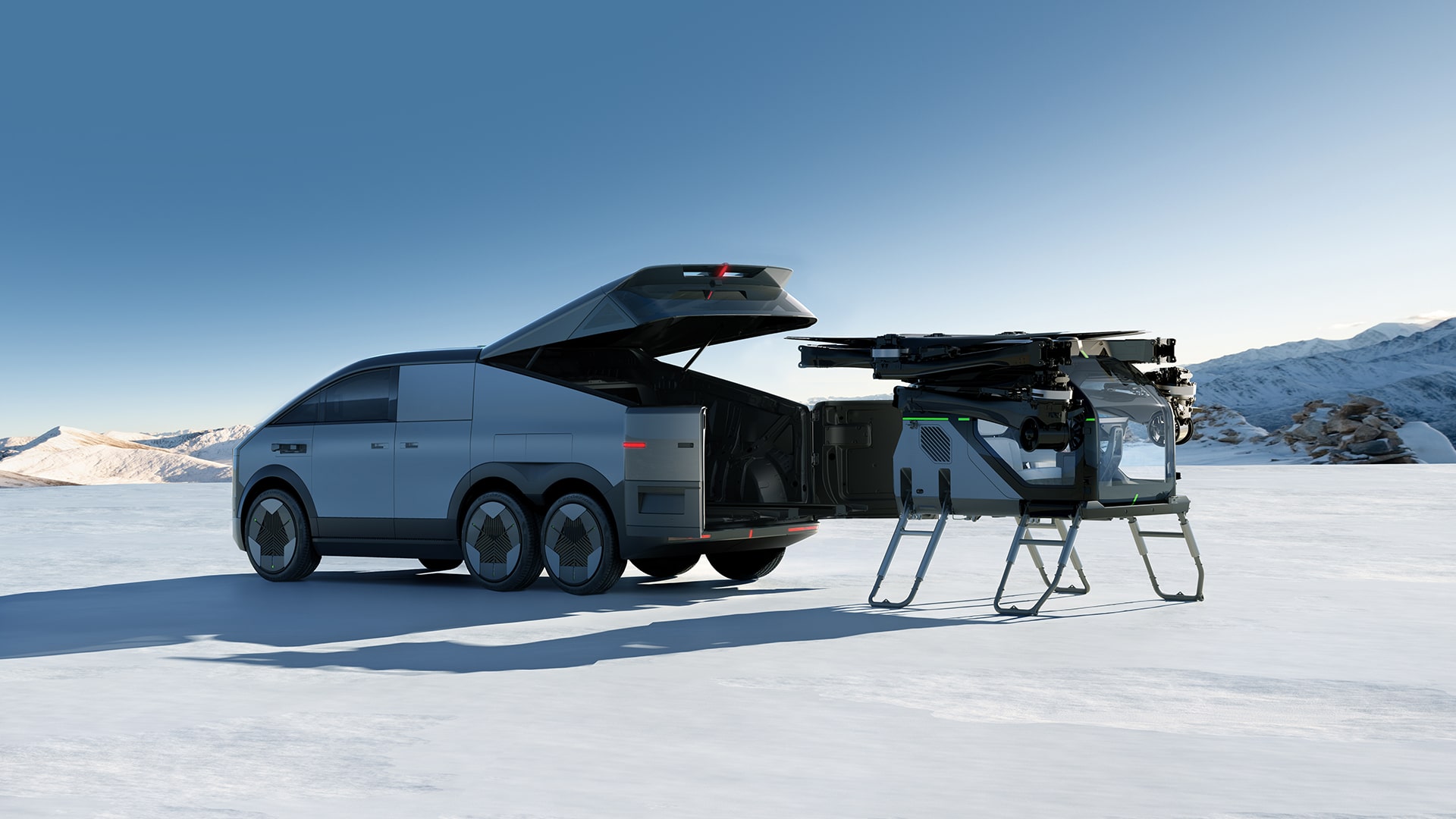
Much of Aridge’s commercialization effort to date has centered on the modular vehicle.
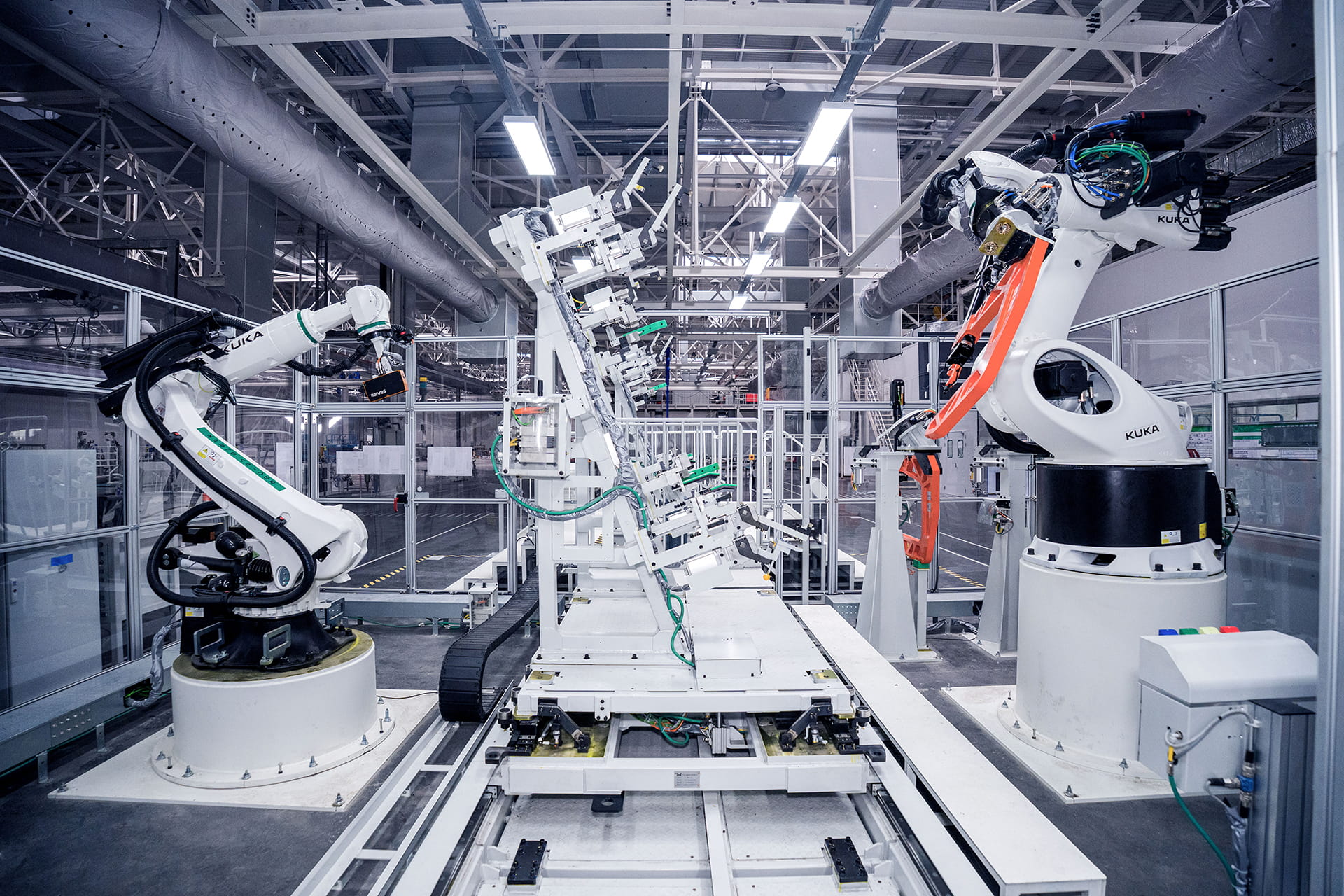
In China, the company has been laying the regulatory and manufacturing groundwork for that business. The Civil Aviation Administration of China accepted the type certificate application for the LAC’s detachable aircraft in March 2024, subsequently accepting its production certificate application. Aridge has also established a manufacturing facility in Guangzhou with a reported annual capacity of up to 10,000 air modules.
In March this year, the company raised nearly USD 200 million in equity financing to support the product’s commercialization, bringing its cumulative equity funding to nearly USD 1 billion.
RELATED ARTICLE
Overseas, Aridge has placed greater emphasis on establishing the regulatory and operational conditions needed to introduce its aircraft to new markets.
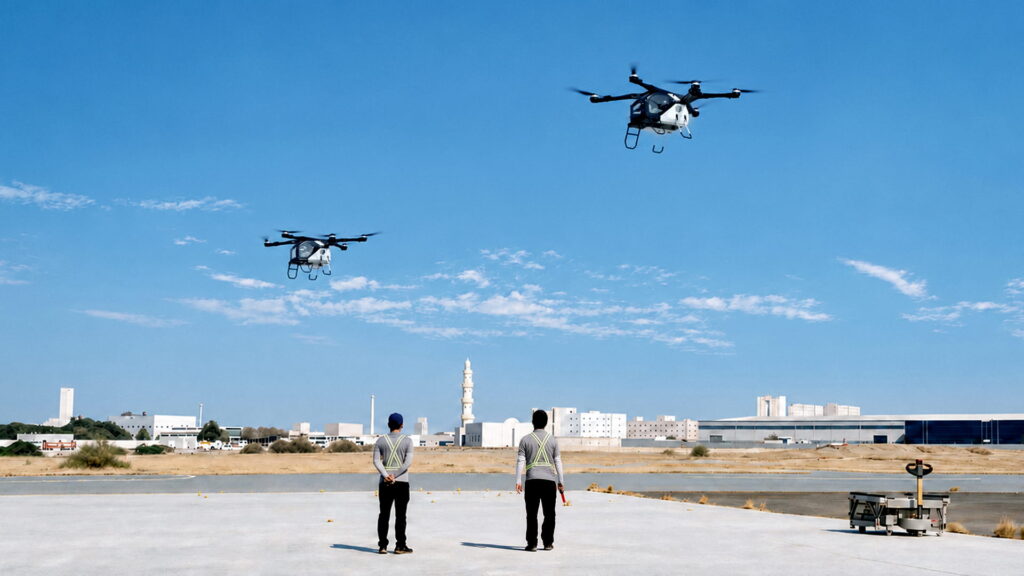
The company entered the UAE, its first international market, in October 2025 with a public crewed flight of the LAC in Dubai. It also signed regional purchase agreements covering 600 units, bringing its reported global order backlog to more than 7,000 units at the time.
Aridge has since moved from public demonstrations toward more structured trials. In September, it signed a cooperation agreement with the emirate of Ras Al Khaimah to establish an advanced air mobility regulatory sandbox, allowing aircraft and operating procedures to be tested under the supervision of the UAE’s General Civil Aviation Authority. The first aircraft designated for the program, an X3-F air module of the LAC, was handed over in October.
With the A868, Aridge could broaden its overseas commercialization efforts beyond personal and recreational flight, offering a case for eVTOL companies in China and elsewhere seeking to tap new markets and applications.