
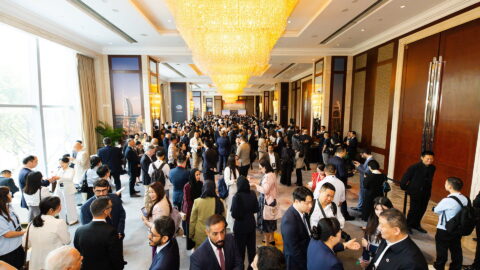


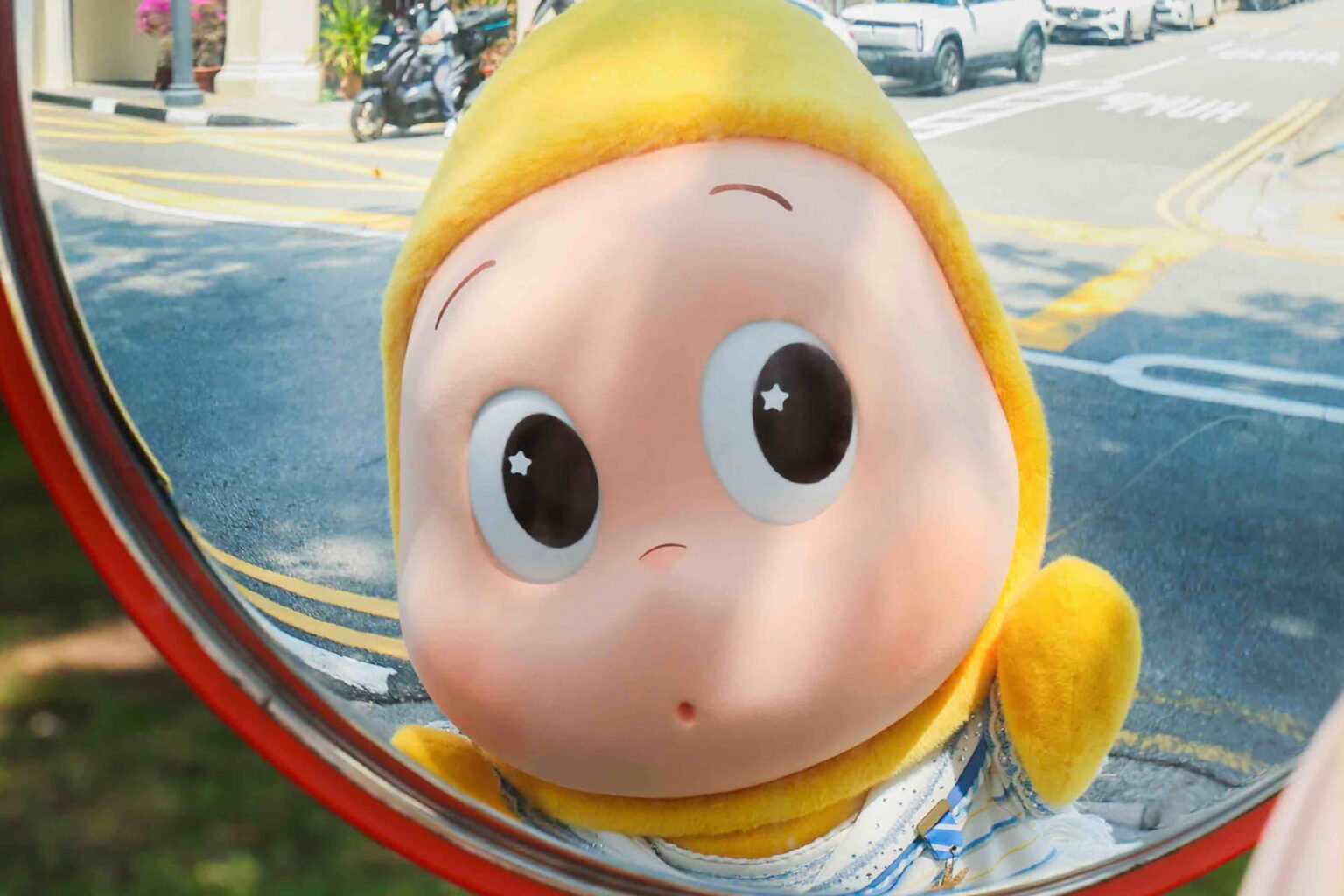
Pop Mart’s 2026 interim results, released after the market closed on August 20, showed a business that is still expanding, but at a much slower pace than investors had become accustomed to.
Revenue rose 23.8% year-on-year (YoY) to RMB 17.17 billion (USD 2.6 billion) in the first half, while adjusted net profit increased 9.5% to RMB 5.16 billion (USD 766.8 million). Gross margin slipped to 69.7% from 70.3% a year earlier. Adjusted net margin fell more sharply, to 30.0% from 33.9%.
The market response was negative. Pop Mart shares closed at HKD 149 (USD 19) on August 21, down 3.1% from the previous session, giving the company a market capitalization of about HKD 198.4 billion (USD 25.3 billion).
That performance contrasts sharply with 2025, when full-year revenue surged 184.7% to RMB 37.12 billion (USD 5.5 billion) and adjusted net profit rose 284.5% to RMB 13.08 billion (USD 1.9 billion).
At the August 20 results briefing, founder and CEO Wang Ning described 2026 as a year of operational adjustment. He said pressure in the second half was likely to be greater than in the first and that the company was unlikely to meet the 20% revenue growth target it had set for the year.
Growth slows as overseas sales reverse
The deceleration became more visible as the year progressed. Pop Mart said first-quarter revenue rose 75–80% YoY, while revenue from its China operations increased 100–105%. With first-half growth at 23.8%, the figures point to a sharp slowdown in the second quarter, although the company has not disclosed a second-quarter growth rate.
The clearest reversal came overseas. In 2025, overseas operations generated RMB 16.27 billion (USD 2.4 billion) in revenue, up 291.9% from a year earlier, and increased their contribution to group revenue to 43.8% from 31.8%. Revenue in the Americas alone rose 748.4%.
In the first half of 2026, overseas revenue fell 11.1% YoY to RMB 4.97 billion (USD 738.6 million), accounting for about 29% of group revenue. Asia Pacific revenue declined 9.7% to RMB 2.58 billion (USD 383.4 million), while revenue in the Americas fell 16.5% to RMB 1.89 billion (USD 280.9 million). Europe and other regions were the only major overseas segment to grow, with revenue rising 5.9% to RMB 505.7 million (USD 75.2 million).
The weakness was particularly visible online. Online revenue fell 39.8% in the Asia Pacific, 45.6% in the Americas, and 59% in Europe and other regions, even as offline revenue continued to grow in all three markets.
At the results briefing, COO Si De said much of the previous year’s overseas expansion had been driven by Labubu. Many new customers had limited familiarity with designer collectibles or Pop Mart’s wider IP portfolio, while much of the overseas workforce was still relatively new and building operating experience.
Management also pointed to supply chain constraints, including limits on the volume that could be supplied to the US market and the cost of relying on air freight.
The operational pressure is also visible in inventory. Inventories rose from RMB 5.47 billion (USD 812.9 million) at the end of 2025 to RMB 6.10 billion (USD 906.5 million) at June 30, while inventory turnover days increased from 123 to 201. Pop Mart said the increase in inventory was mainly due to stock prepared in advance for overseas expansion.
The numbers suggest that the next phase of Pop Mart’s international growth will depend less on opening stores quickly and more on improving supply chains, online customer acquisition, and local operating efficiency.
Twinkle Twinkle rises as The Monsters cools
Another shift is taking place within Pop Mart’s IP portfolio.
The Monsters, the franchise that includes Labubu, remained the group’s largest IP in the first half, generating RMB 4.45 billion (USD 661.3 million) in revenue. But revenue fell 7.5% YoY, while its share of group revenue declined to 26.0% from 34.7% in the first half of 2025.
Twinkle Twinkle was the clearest new growth driver. Its first-half revenue jumped 580.6% to RMB 2.65 billion (USD 393.8 million), increasing its share of group revenue to 15.4% from 2.8% a year earlier and making it Pop Mart’s second-largest IP.
Six artist IPs generated more than RMB 1 billion (USD 148.6 million) each during the period, while 11 exceeded RMB 100 million (USD 14.9 million). Crybaby, Dimoo, Skullpanda, and Hirono all recorded double-digit revenue growth, reducing some of the concentration around The Monsters.
Pop Mart has also continued investing in smaller franchises. Nyota was among the IPs to launch its first plush products during the period. Since the start of the year, Pop Mart has released products including Nyota’s “Where Moments Meet” plush line and a Nyota collaboration with Chibi Maruko-chan.
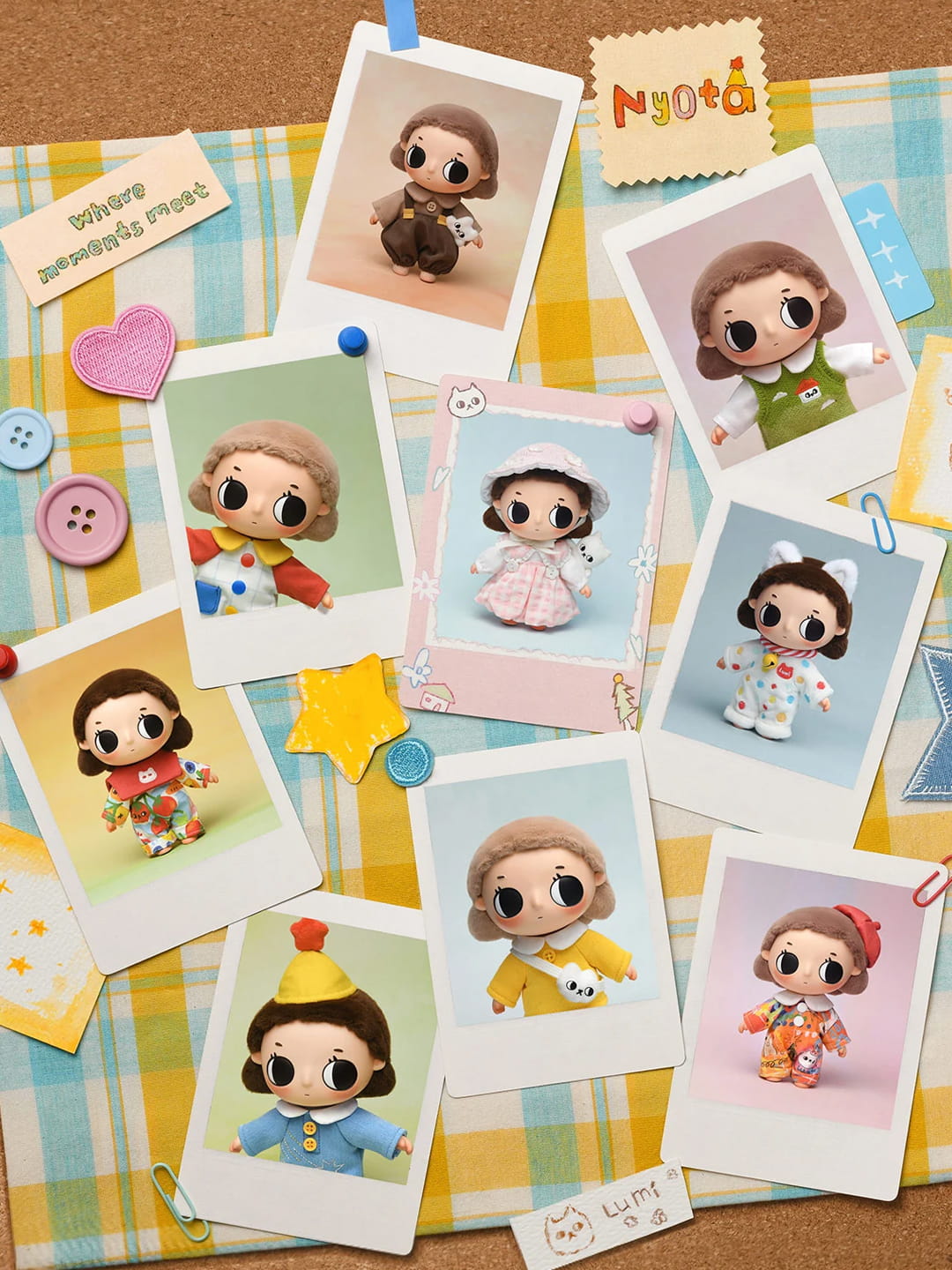
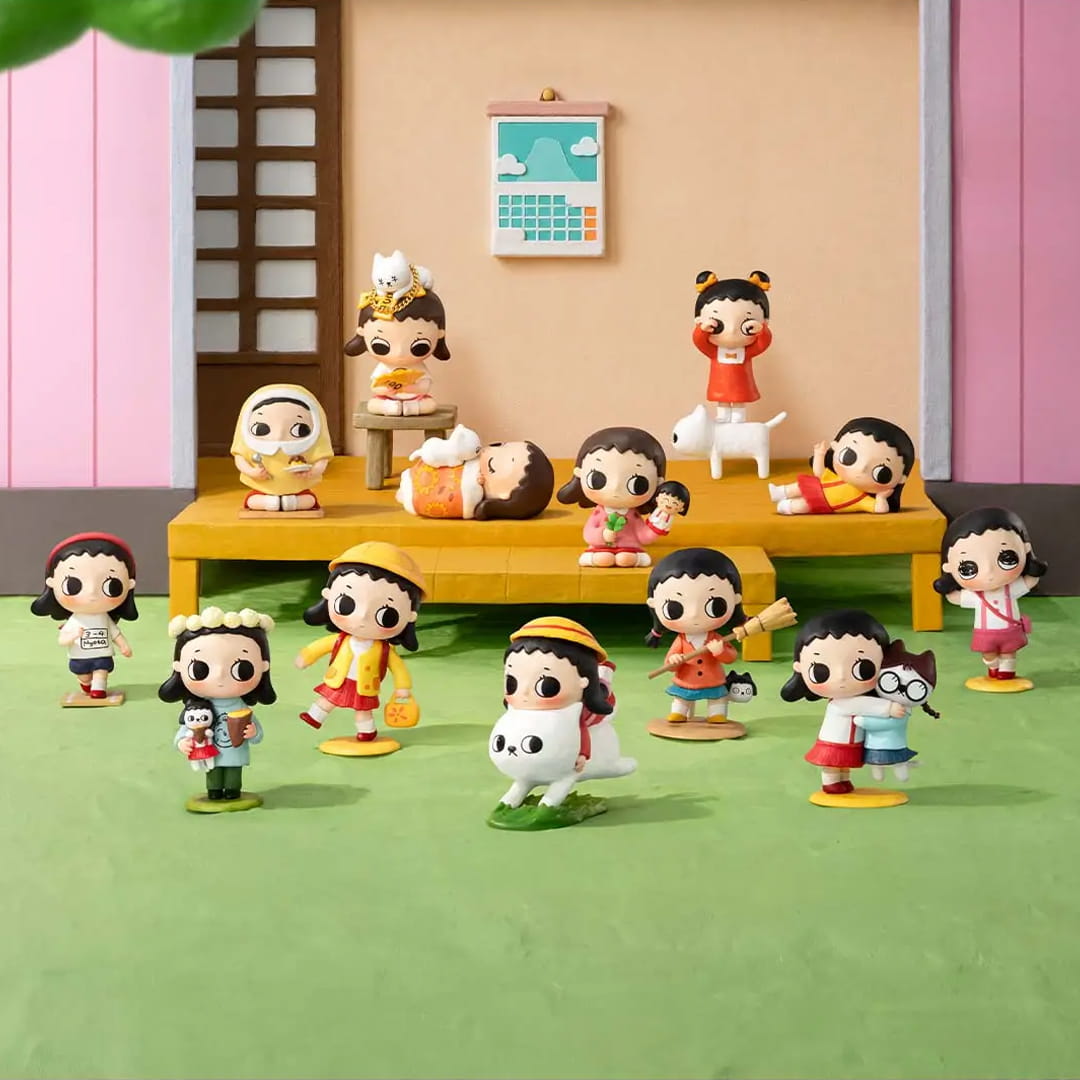
The shift toward plush products is increasingly important to the group as a whole. Plush toys generated RMB 9.82 billion (USD 1.5 billion) in first-half revenue, up 60.0% YoY, and accounted for 57.2% of total revenue. Figure toys generated RMB 5.19 billion (USD 771.3 million), up just 0.3%.
Not every established character benefited. Molly generated RMB 900.6 million (USD 133.8 million) in first-half revenue, down 33.6% from a year earlier. At the results briefing, Si said Pop Mart expects to introduce a major new Molly product around the end of this year or in the first half of next year, with the aim of expanding beyond its traditional product formats.
RELATED ARTICLE
Profit discipline moves ahead of expansion
As growth slows, Pop Mart is putting more emphasis on profitability and operational efficiency.
Gross margin fell 0.6 percentage points YoY to 69.7% in the first half. Pop Mart attributed the decline mainly to a lower proportion of higher-margin overseas sales and an increase in procurement costs caused by higher raw material prices.
Combined distribution and selling expenses and general and administrative expenses increased by RMB 894.7 million (USD 133 million) from a year earlier. Pop Mart ended June with 676 stores worldwide, a net increase of 46 from the end of 2025. Even with the additional operating costs, adjusted net margin remained at 30%, although that was down 3.9 percentage points YoY. Pop Mart still plans to expand its overseas store network in the second half while upgrading stores in China. But Wang said at the results briefing that the company would not pursue an aggressive model that increases revenue without a corresponding increase in profit.
That puts more emphasis on the quality of growth rather than expansion alone.
Shareholder returns are also becoming a larger part of the company’s capital allocation. At the results briefing, Wang said Pop Mart intends to repurchase between RMB 2–5 billion (USD 297.2–743.0 million) of shares over the next six months.
The plan would follow substantial repurchases earlier this year. Pop Mart bought back 11.22 million shares for a total of HKD 1.74 billion (USD 221.9 million) in the first half. About HKD 1.4 billion (USD 178.6 million) of that spending took place across six consecutive trading days from March 26 through April 2.
The company also paid RMB 3.15 billion (USD 468.1 million) in dividends during the first half. For context, Pop Mart reported profit attributable to shareholders of RMB 12.78 billion (USD 1.9 billion) and net cash generated from operating activities of RMB 10.87 billion (USD 1.6 billion) in 2025.
The combination of dividends and buybacks indicates that shareholder returns are taking a more prominent role as the company adjusts to slower growth.
The broader picture is of a company shifting gears after an exceptional period of expansion. Pop Mart now needs to show that Twinkle Twinkle can help offset slowing growth in The Monsters. Its overseas operations must regain momentum while improving inventory management, logistics, and customer acquisition. At the same time, the company needs to demonstrate that it can sustain demand across a broader range of characters rather than rely disproportionately on a single global hit.
Those questions will not be settled by a single half-year report. But Pop Mart’s 2026 interim results make the change in priorities clearer: growth remains important, while profitability, operational control, portfolio diversification, and shareholder returns are becoming more central to how it manages its next stage.
KrASIA features translated and adapted content that was originally published by 36Kr. This article was written by Xie Yunzi for 36Kr.
Note: HKD, RMB figures are converted to USD at rates of HKD 7.84 = USD 1 and RMB 6.73 = USD 1 based on estimates as of August 24, 2026, unless otherwise stated. USD conversions are presented for ease of reference and may not fully match prevailing exchange rates.