



The telecommunications industry has a history of moving from fragmented competition among numerous players toward a more mature market structure characterized by greater concentration and a stronger focus on quality. China stands as one example: the market had seven major operators in the early 2000s, before successive rounds of restructuring eventually reduced that number to three.
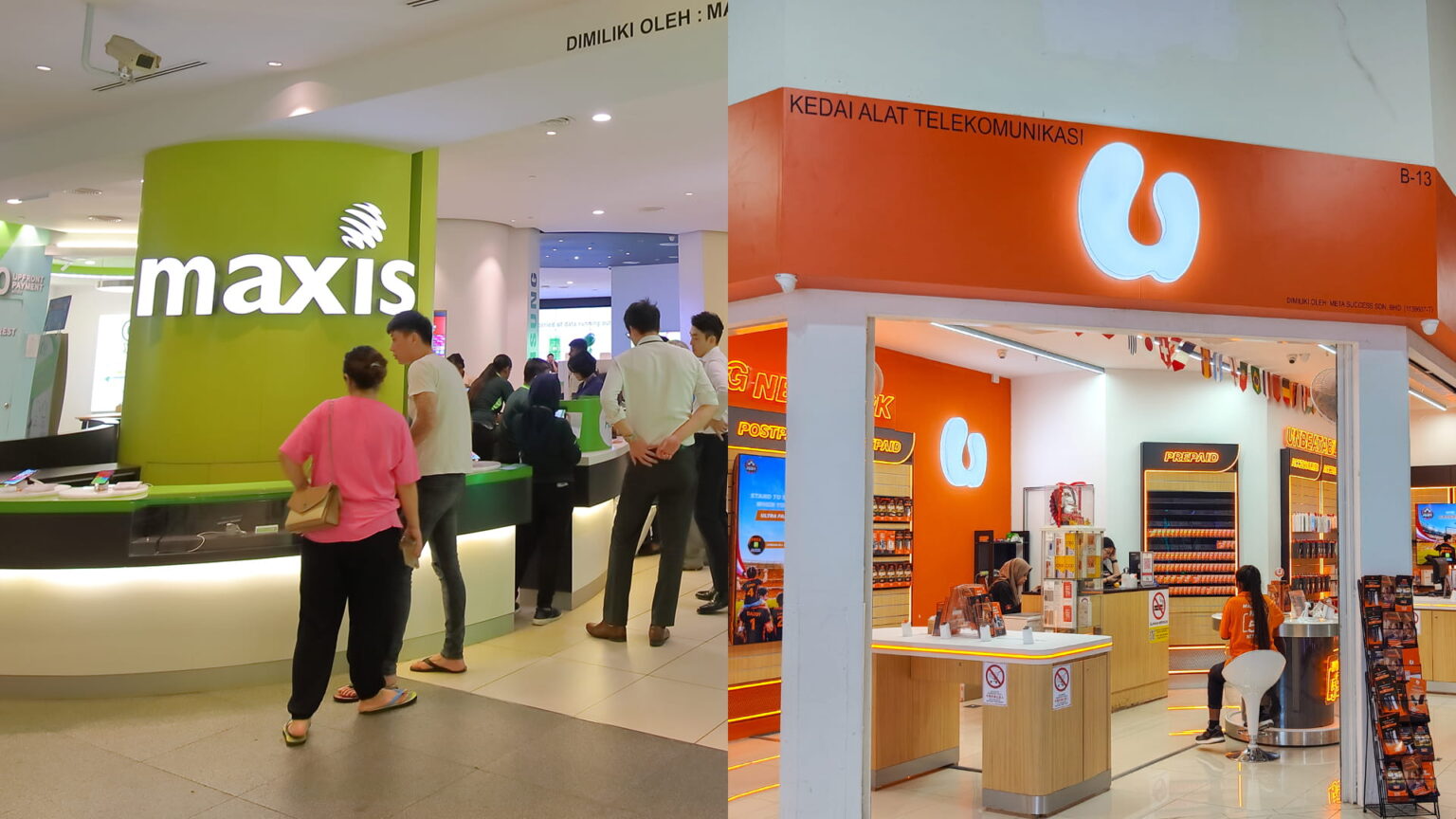
In Malaysia, Celcom and Digi merged to form CelcomDigi in 2022. And now, signs of further consolidation are now emerging in the Southeast Asian country, with merger discussions between Maxis and U Mobile reportedly resuming.
These developments point to a broader principle: the strength of the telecom industry may lie in the quality of its infrastructure and its capacity for innovation, not simply in the number of operators. By extension, consolidation, when accompanied by effective competition, can benefit consumers, businesses, and the country’s digital economy.
A more balanced market led by two major players
Recent subscriber figures illustrate the potential scale of a combined Maxis and U Mobile, assuming a merger proceeds.
CelcomDigi remains Malaysia’s largest mobile operator, with approximately 20.3 million subscribers as of the second quarter of 2026. As a major shareholder in Digital Nasional Berhad (DNB), it relies on the company’s nationwide shared 5G infrastructure to provide services.
Maxis, a long-established operator with extensive 4G coverage, reported 9.59 million mobile subscribers in the third quarter of 2026. Its 5G services continue to rely on wholesale access to DNB’s network, in which it also holds a stake.
U Mobile is another key player. Selected to develop Malaysia’s second nationwide 5G network, it has established its own infrastructure capabilities and holds valuable 700 MHz low-band spectrum alongside mid-band 5G resources.
A merger could create a telecom group with a subscriber base capable of rivaling CelcomDigi’s scale. While reducing the number of independent operators, consolidation could produce two major groups with more comparable scale and differentiated network strategies, potentially spurring competition in infrastructure quality, service performance, and innovation.
Achieving stronger infrastructure competition
This is arguably one of the most significant potential benefits of the proposed merger, with implications for both consumers and Malaysia’s digital development.
Historically, Malaysia’s 5G market was built around a single nationwide shared infrastructure network operated by DNB. Major operators, including CelcomDigi and Maxis, relied on the same network to provide their 5G services.
Although this model supported a coordinated national rollout, reliance on a single shared network also limited infrastructure-level competition. Operators had fewer opportunities to differentiate network performance, establish competitive benchmarks, and pursue independent 5G development strategies.
That has begun to change. U Mobile completed the migration of its subscribers to its independently operated ULTRA5G network on July 1, ending its wholesale access arrangement with DNB. By October, the company said its network had reached 90% coverage of populated areas nationwide.
Building on an independent 5G network
Through a merger, the combined company could draw on U Mobile’s independent 5G infrastructure, spectrum resources, and technical capabilities, alongside Maxis’ established customer base and network assets.
This combination could give the group greater flexibility in 5G network planning, optimization, service development, and innovation. It could also strengthen its ability to invest in network improvements and introduce differentiated offerings without relying exclusively on DNB’s wholesale infrastructure.
However, Maxis remains a shareholder in DNB. Thus, any transition away from its existing wholesale arrangements would likely depend on the transaction’s structure, commercial agreements, and regulatory approvals.
Strengthening CelcomDigi’s position within the DNB ecosystem
As a major DNB shareholder, CelcomDigi could continue to build on the shared 5G infrastructure model, supporting improvements in network coverage, capacity, and performance for consumers, enterprises, and government customers.
DNB would remain the operator of its shared network, while U Mobile’s independently built network could form part of a larger combined group with Maxis, assuming a merger proceeds.
The result could be stronger competition between two nationwide 5G infrastructure platforms, encouraging continued technological upgrades, network optimization, and service innovation.
Competition could extend beyond retail pricing, giving operators greater incentives to differentiate themselves through network quality and capabilities.
Better use of resources and support for Malaysia’s digital strategy
For the Malaysian government, the core objectives of telecommunications infrastructure are efficient resource utilization, inclusive connectivity, and sustained industry innovation.
A fragmented market can lead to overlapping investments in base stations, transmission infrastructure, and supporting facilities. Intense price competition can also put pressure on industry profitability, potentially reducing the resources available for rural coverage expansion and 5G R&D.
A potential merger could support several of the government’s broader policy objectives:
- Reducing inefficient infrastructure spending: Integrating existing base stations, spectrum resources, and transmission assets could allow the combined company to eliminate unnecessary duplication and redirect investment toward network upgrades. Such efficiencies would depend on how effectively the two businesses integrate their operations.
- Closing national coverage gaps: Drawing on U Mobile’s 700 MHz low-band spectrum, which offers wider signal propagation than higher-frequency bands, the combined entity could strengthen coverage in towns, suburbs, and underserved areas of Peninsular and East Malaysia. Continued infrastructure investment would still be necessary to translate these capabilities into better connectivity, particularly in remote locations.
- Building a competitive 5G innovation ecosystem: Competition between two nationwide 5G networks could encourage sustained technological upgrades, lower latency, faster speeds, and the development of applications involving the internet of things, industrial 5G, and smart services.
These improvements could support Malaysia’s digital economy strategy by providing businesses with more advanced and reliable connectivity.
At the same time, the government would need to ensure that infrastructure efficiencies do not come at the expense of effective market competition. Regulatory scrutiny of ownership arrangements, network access, and consumer outcomes would remain essential.
Better 5G experiences for consumers?
Consumers could be among the biggest beneficiaries of stronger competition in Malaysia’s 5G infrastructure market.
Under the previous single-network model, most consumers received 5G connectivity through the same underlying DNB infrastructure, limiting opportunities to compare network performance across providers.
With U Mobile’s independent network now operational, consumers and businesses have greater scope to compare the performance of two nationwide 5G networks. A merger of Maxis and U Mobile could, on paper, intensify that competition by bringing together a larger customer base and independent infrastructure capabilities.
The two networks would have incentives to compete on speed, latency, reliability, coverage, and service quality. To attract and retain customers, operators would need to optimize their networks, upgrade technologies, improve customer service, and develop innovative applications.
Consumers could benefit from broader coverage, faster and more reliable 5G connectivity, better after-sales support, and a wider range of 5G-enabled services for everyday life.
However, these benefits would not be automatic. Consolidation could also weaken price competition and limit consumer choice.
Two major groups, two networks
Ultimately, telecommunications infrastructure is a foundational industry that serves the public interest. A reasonable degree of industry consolidation, combined with effective competition, can provide a more sustainable basis for long-term growth.
If executed well, a merger between Maxis and U Mobile could present an opportunity to improve infrastructure efficiency, strengthen investment capacity, and reshape Malaysia’s telecom ecosystem.
On one hand, consolidation could reduce inefficient duplication and allow resources to be redirected toward network development. On the other, a larger group operating alongside DNB’s shared infrastructure could reinforce competition under Malaysia’s existing dual-network 5G model.
Striking the right balance is the challenge, but potentially a worthwhile one. With oversight from relevant authorities, including the Malaysian Communications and Multimedia Commission, such a move could unveil benefits for infrastructure development, innovation, and public welfare.
The value of such a merger should therefore be construed not simply by the size of the combined operator, but by whether it delivers better networks, more efficient investment, greater innovation, and improved connectivity for users.