



How safe does a driverless car need to be before you would get in?
Safer than the average human driver? Safer than you? Or would you want to know where it was taking you before answering?
A car that can navigate a familiar route safely has achieved something useful, even if it cannot handle every road it might encounter.
Expecting it to go everywhere sets a different test.
It is easy to fold those expectations into a single question about whether autonomous driving “works.” But doing so can make progress difficult to judge.
Waymo, for example, has reported fewer crashes causing injuries than human drivers in the same operating areas. Yet autonomous services can already operate within defined boundaries, even as the promise of driving anywhere remains unfulfilled.
What should happen, then, once a vehicle performs well enough for a particular job?
RELATED ARTICLE
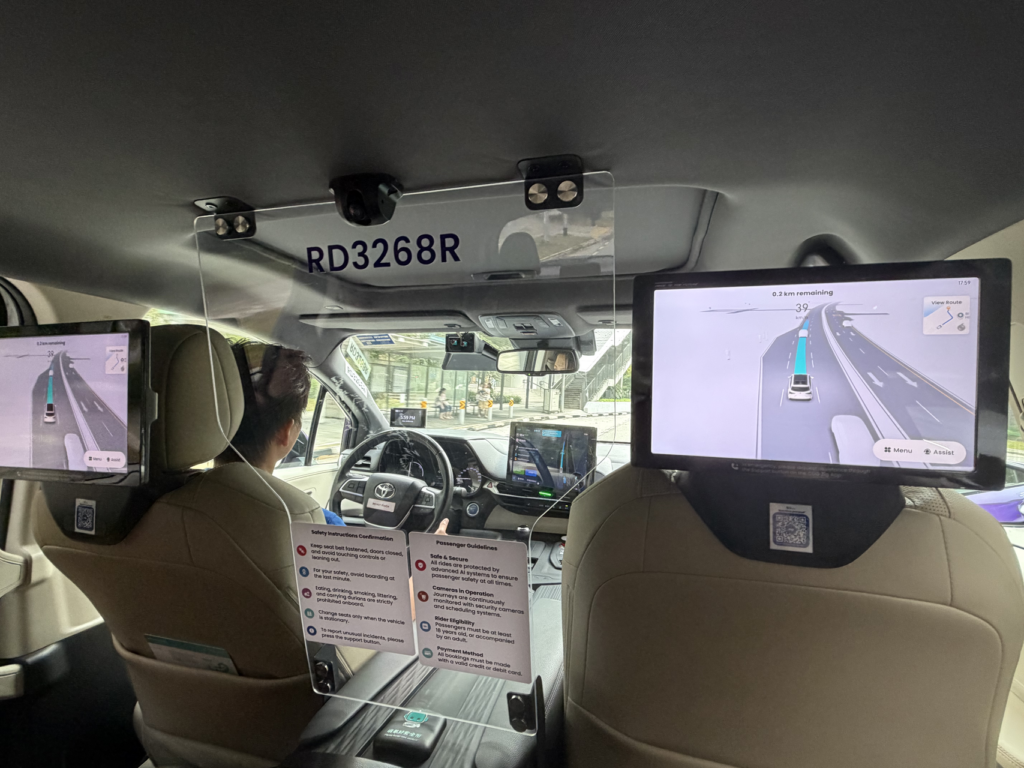
Adoption might follow. Yet a safety record is only part of what a passenger considers. People also need to feel comfortable with a machine’s decisions, including those whose reasons may not be obvious from the back seat.
Then come the ordinary demands of getting somewhere. In Singapore’s Punggol, nearly all surveyed autonomous shuttle passengers said they felt safe and would recommend the service. Almost 60% nevertheless wanted more flexibility over where they could board and get off.
There is no contradiction there. You can trust a vehicle and still wish it stopped closer to home.
For authorities, further questions arise about accountability and how these services fit into existing transport networks. Advancing self-driving technology alone is unlikely to settle all of them.
The point is, “good enough” can be a surprisingly demanding phrase. Safe operation is essential, but passengers also need useful journeys, and authorities need workable rules. Even where the technology is capable enough to provide a service, these other requirements help determine whether it becomes part of everyday life.
Related readings
- Removing the driver does not remove every human responsibility. The people supporting China’s robotaxis from an office show how work changes when vehicles start driving themselves, and why human judgment remains part of delivering a reliable service.
- Passengers are only one market for autonomous vehicles. China’s delivery companies are putting robovans to work as they seek to reduce costs. Their experience shows where autonomous driving can help businesses today, and where its usefulness still has limits.
- Reducing crashes does not answer every question about how a self-driving vehicle should behave when harm is unavoidable. People can disagree over hypothetical crash decisions, showing why defining acceptable behavior requires more than engineering expertise.