
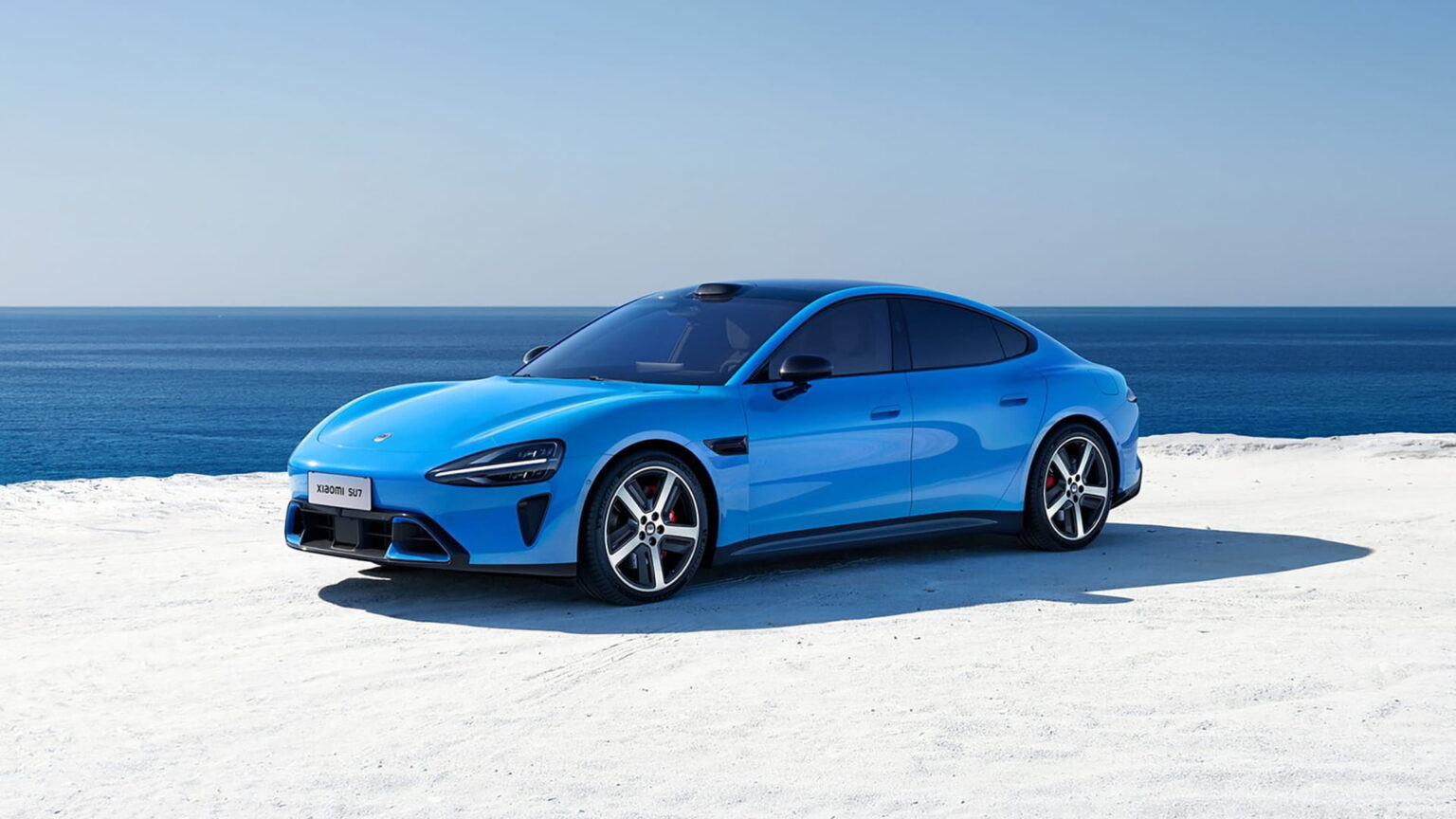
Two years ago, when Xiaomi launched its first SU7, 36Kr visited a Xiaomi store in a large Beijing mall and found a showroom packed with prospective buyers. A blue SU7 unit logged nearly 60 test drives in nine hours. It started the day showing 800 kilometers of range on a full charge. By the end, the display showed just 40 kilometers remaining, and the system had already flashed a red warning.
On Thursday, March 19, Xiaomi unveiled the new SU7 electric vehicle, and 36Kr returned to the same store. By Saturday evening, a new SU7 on display still showed more than 250 kilometers of remaining range.
“Friday was almost dead. One of the cars sat in the basement garage all day,” a salesperson told 36Kr. It was not until the weekend that the crowd picked up. “We’re one of the larger stores in Beijing. Over the weekend, the salespeople here handled around 60–80 test-drive bookings a day in total.”
According to Xiaomi, its 477 stores nationwide completed 50,000 test drives of the new SU7 over the first three days after launch, or about 105 test drives per store on average. By comparison, the first SU7 averaged roughly 200 test drives per store on its first weekday after launch.
Since 2024, Xiaomi has added more than 400 stores nationwide. With a much larger retail network, demand for the new SU7 appears more spread out.
On launch night, Xiaomi said it had received 15,000 locked-in orders with non-refundable deposits in 34 minutes. That was below the first SU7’s 88,000 firm preorders in 24 hours and the YU7’s 200,000 firm preorders in three minutes. Still, 15,000 committed orders in half an hour suggests Xiaomi still has meaningful demand in China’s battery EV market.
In a March 23 live stream, Xiaomi CEO Lei Jun said locked-in orders for the new SU7 had surpassed 30,000. At the same time, 36Kr learned from supply chain sources that Xiaomi’s latest 2026 sales guidance for the new SU7 is 120,000 units.
In smartphones and other consumer electronics, buyers can upgrade nearly every year, creating momentum for each new product cycle. Cars are different. Most are kept for three to five years, and often longer.
A user who bought Xiaomi’s S4 watch two years ago may be willing to switch quickly when the S5 comes out. Even loyal owners of the first SU7, however, are unlikely to replace their cars just two years later.
That helps explain Xiaomi’s challenge with the new SU7. Lei said the company hopes the model will help more people get to know and like Xiaomi’s products. The question now is whether the new SU7 can once again broaden Xiaomi’s customer base after the first model helped carry the brand beyond its core fans.
Familiar design, more features, modest price increase
The new SU7 still comes in three versions, priced at RMB 219,900, (USD 31,873.7) RMB 249,900, (USD 36,222.1) and RMB 303,900, (USD 44,049.2) respectively, up RMB 4,000 (USD 579.8) from the previous model.
Speaking with 36Kr and other media after the launch event, Lei said the new car has more than 100 upgrades, with the added materials alone costing nearly RMB 20,000 (USD 2,898.9). He said Xiaomi ultimately raised the price by RMB 4,000 (USD 579.8) because passing through the full cost increase could put the car beyond some buyers’ budgets.
Keeping the price increase limited is only part of the strategy. The new SU7 also reflects several changes that respond directly to buyer preferences.
Xiaomi appears to view exterior design as a major part of the SU7’s appeal. The new model therefore keeps much of the previous car’s design language, with only minor tweaks to the front grille. At the same time, Xiaomi has added new body colors and a new wheel design.
The bigger changes are inside the cabin, where comfort has become a clearer focus.
The new SU7 comes standard with an 18-way adjustable sport seat for the driver. The front passenger seat has been upgraded to a “zero-gravity seat,” while the rear seats now include sleep headrests. The sound system has been upgraded, the glass roof now uses zoned smart dimming glass, all four doors now feature double-laminated glass, and buyers can also choose an additional “ultra-quiet” cabin package for noise and vibration reduction.
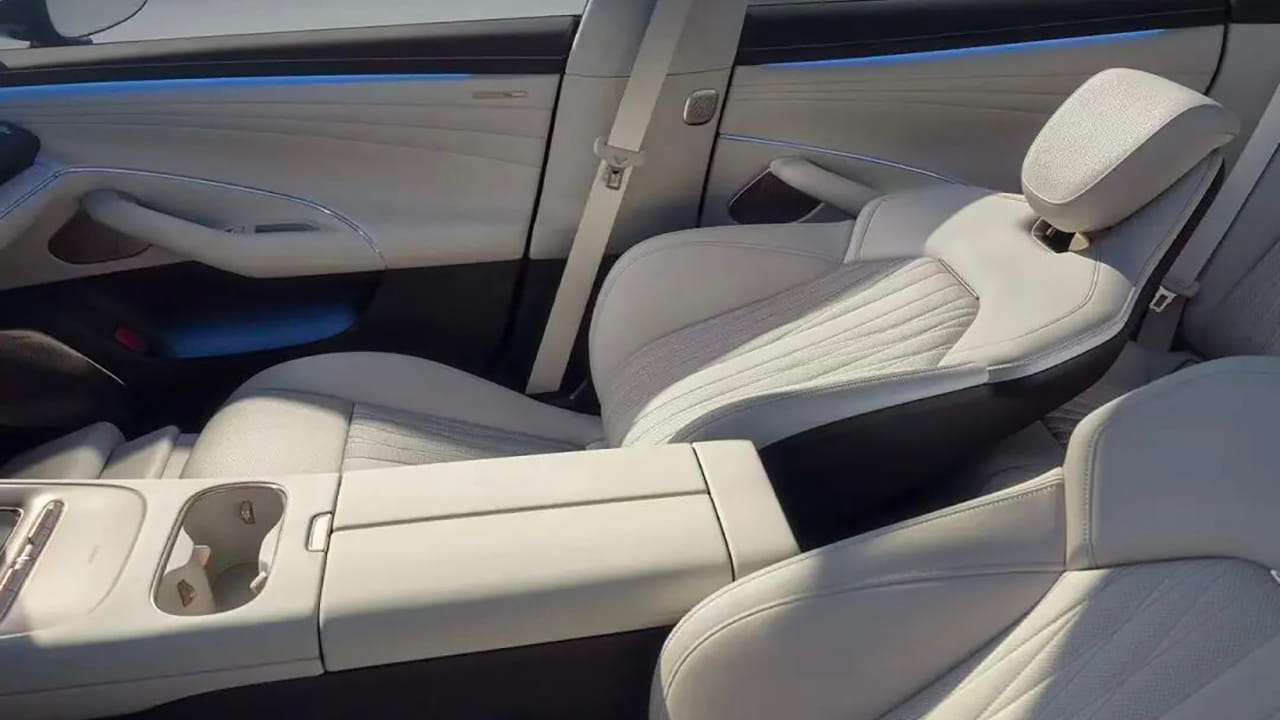
“For the front passenger and the rear row, within the overall direction of a sporty car, we basically went as far toward comfort as possible,” Lei said.
On range, an upgraded vehicle architecture enables the new SU7 Pro to deliver up to 902 kilometers under the CLTC (China Light-Duty Vehicle Test Cycle) standard. Xiaomi said energy consumption has been reduced to 11.7 kWh per 100 kilometers, close to the Tesla Model 3.
Safety upgrades include greater use of high-strength steel in the body structure, more airbags, and additional battery protection layers. On assisted driving, the new SU7 aligns with the YU7, with full hardware across the lineup that includes Nvidia’s Thor chip and LiDAR (light detection and ranging).
In the powertrain and chassis, Xiaomi has fitted the upgraded V6s Plus motor, increasing output and acceleration across the lineup. The Pro and Max versions now use closed-chamber air springs and variable CDC (continuous damping control). The full lineup also now comes standard with fixed calipers and 265-millimeter rear tires.
After speaking with several existing owners who had already tested the new SU7, 36Kr heard that the pedal feel is softer than in the previous generation and that the chassis tuning may have shifted somewhat toward comfort. Taken together, those changes suggest Xiaomi is trying to balance sportiness with comfort in order to appeal to a broader range of buyers.
That product strategy reflects Xiaomi’s current position. With competition tightening and buyers becoming more selective, the new SU7 has to compete on product substance rather than novelty alone.
Lower early heat, steadier showroom traffic
Over the first weekend after the new SU7 went on sale, 36Kr visited six stores in Beijing.
Several salespeople told 36Kr that the new SU7 has not drawn the same level of attention as the first model. One sign is that many visitors are mainly browsing, and a notable share already own an SU7 or a YU7.
“When the old SU7 launched two years ago, people passing by would stop and look. There were even elderly people and children lining up to come in and see the car,” one salesperson who has worked in Xiaomi’s car business for two years told 36Kr. “Now the exterior hasn’t changed, so passersby take one glance and assume the new version is no different from the old one. That makes them less interested in getting in and taking a closer look.”
On orders and conversions, sales staff said customers are taking longer to decide and comparing more options before committing. “The first batch of 16,000 in-stock vehicles nationwide was basically down to only a little over a dozen by Friday (March 20) night. Most of the weekend orders therefore went to made-to-order vehicles for delivery between May and July.”
One salesperson showed 36Kr a detailed breakdown of the new SU7’s on-road price. Based on that figure, Xiaomi is offering two financing packages: a standard installment plan with an annualized interest rate of 2.5%, and a seven-year low-interest plan with an annualized rate of 1.9%.
In conversations with multiple prospective buyers, 36Kr found that pricing and financing terms remain important factors. “When you add it all up, total interest on Xiaomi’s installment plans still comes to RMB 10,000–20,000, (USD 1,449.5–2,898.9) while Tesla’s five-year zero-interest offer is very attractive to us,” one potential customer said.
Sales staff therefore advised some customers to place made-to-order purchases, because payment terms for those cars are based on the policy in effect when the vehicle is delivered. The current delivery lead time for custom orders is around May to June. “The salesperson said there may be a zero-interest policy by then, but I still want to wait and see.”
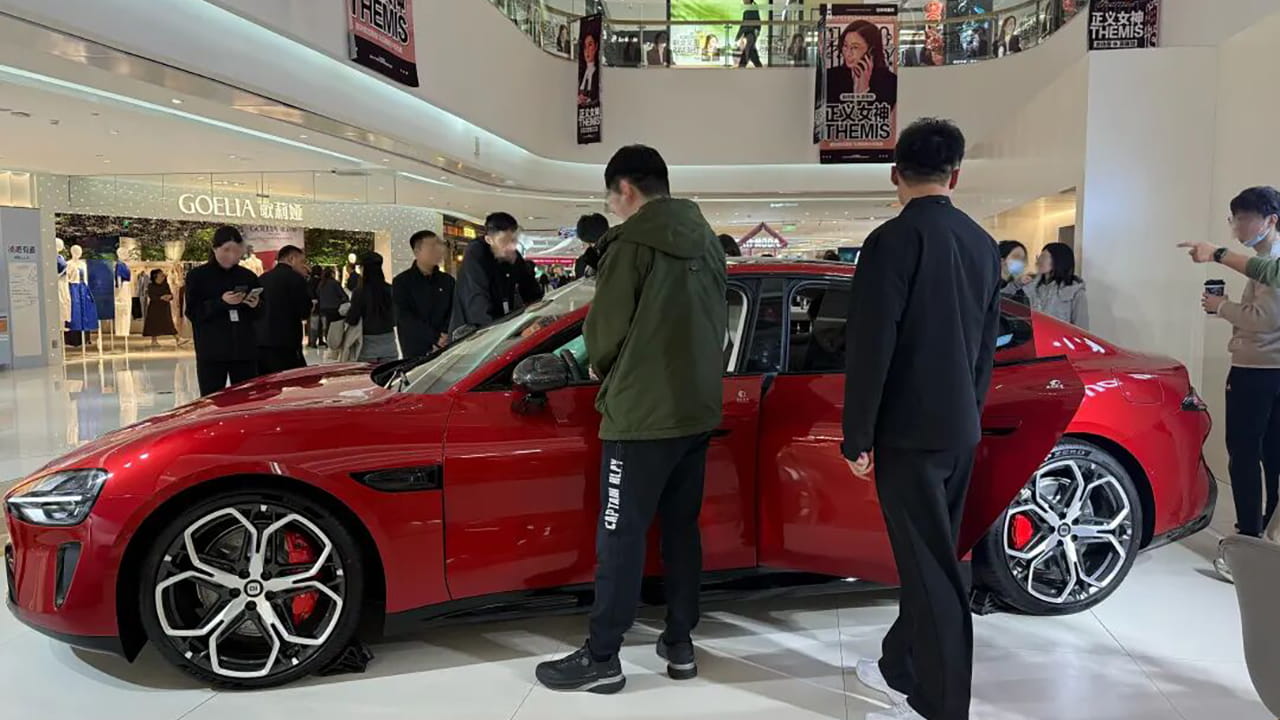
The SU7 customer base is also changing. It is extending beyond Xiaomi fans drawn by the brand and toward more pragmatic buyers who care about specifications, ownership costs, and overall value. That is closer to the mainstream of the automotive market.
Externally, the car faces competition from established models such as the Tesla Model 3 and newer challengers such as the SAIC Z7. Within Xiaomi’s own lineup, the more practical YU7 and the upcoming extended-range models are also competing for the same budgets.
The automotive business is capital-intensive and long-cycle. Design and smart features can draw attention, but long-term results depend on supply chain management, quality control, cost discipline, sales and service capabilities, and even used-car residual values.
The response to the new SU7 reflects that shift. With store traffic returning to more normal levels and customer decision cycles getting longer, the basis for comparison has moved toward configuration, cost, and value. For Xiaomi, the next phase of its automotive business will depend less on launch-day excitement and more on product quality, operational execution, and owner word of mouth.
KrASIA features translated and adapted content that was originally published by 36Kr. This article was written by Xu Caiyu for 36Kr.
Note: RMB figures are converted to USD at rates of RMB 6.90 = USD 1 based on estimates as of March 25, 2026, unless otherwise stated. USD conversions are presented for ease of reference and may not fully match prevailing exchange rates.