


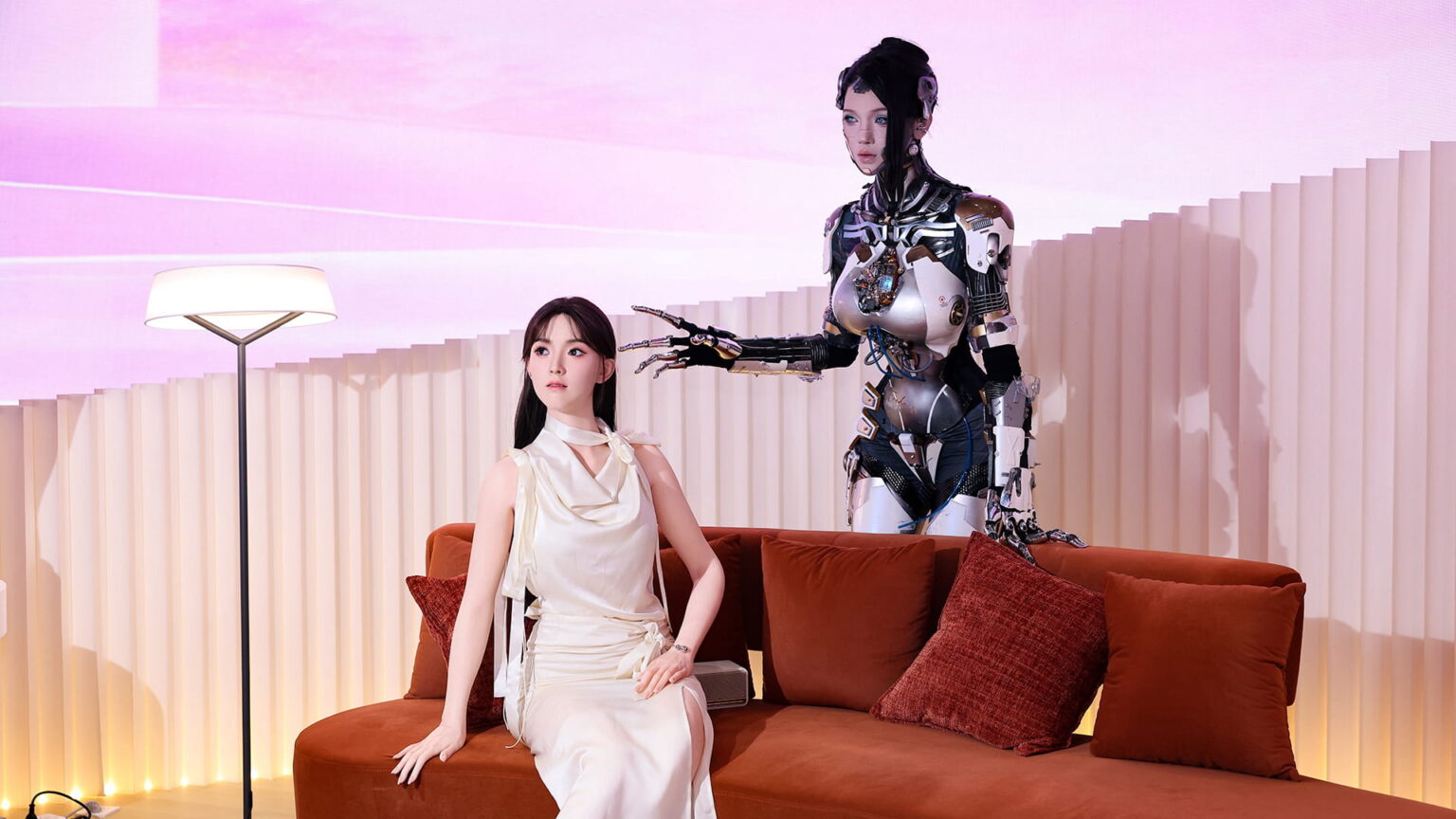
On June 30, UBTech Robotics hosted its 2026 global launch event in Shenzhen, where it unveiled the UWorld U1 Series of full-size humanoid robots. The lineup includes three models: the U1 Lite semi-torso edition, the high-performance full-body U1 Pro, and the high-dynamic full-body U1 Ultra. Prices range between RMB 119,800–990,000 (USD 17,613–145,549.7).
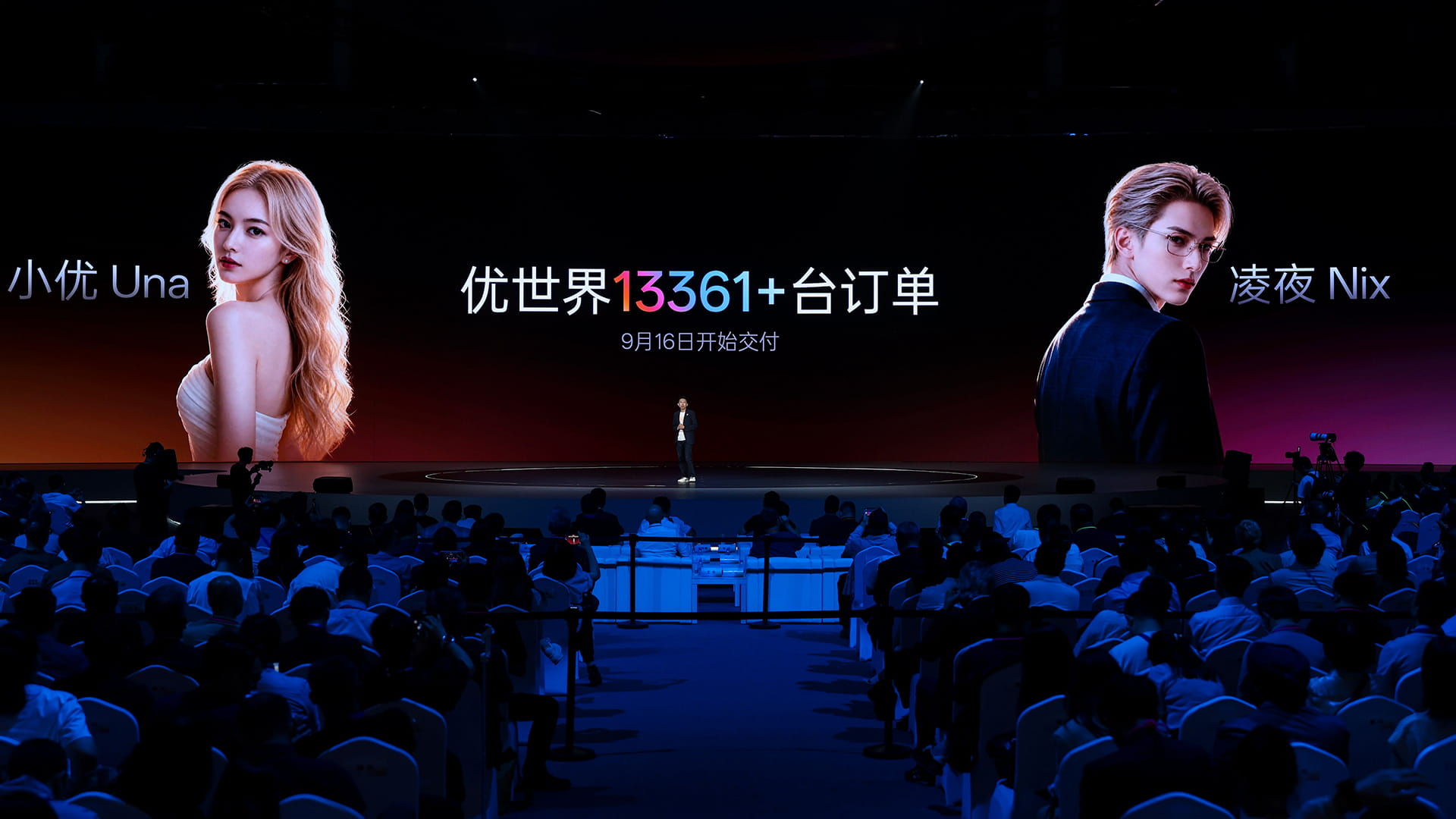
UBTech said cumulative orders for the UWorld U1 Series had surpassed 13,361 units as of the day of the launch event.
The significance of that number may lie less in sales volume itself than in the structural shift it points to: humanoid robots are moving out of factories and into homes. The key variables in industry competition are also changing, from motion control precision and payload capacity to a more basic question: how can robots enter everyday life and build long-term emotional connections with users?
A research report by Guotai Junan Securities estimates that potential demand for companion robots among China’s elderly population stands at about RMB 420 billion (USD 61.7 billion), while demand among younger consumers is around RMB 500 billion (USD 73.5 billion), putting the combined potential market at close to RMB 1 trillion (USD 147 billion). The same report estimates that China’s overall smart companion robot market reached RMB 12.86 billion (USD 1.9 billion) in 2025, up 24.3% year-on-year.
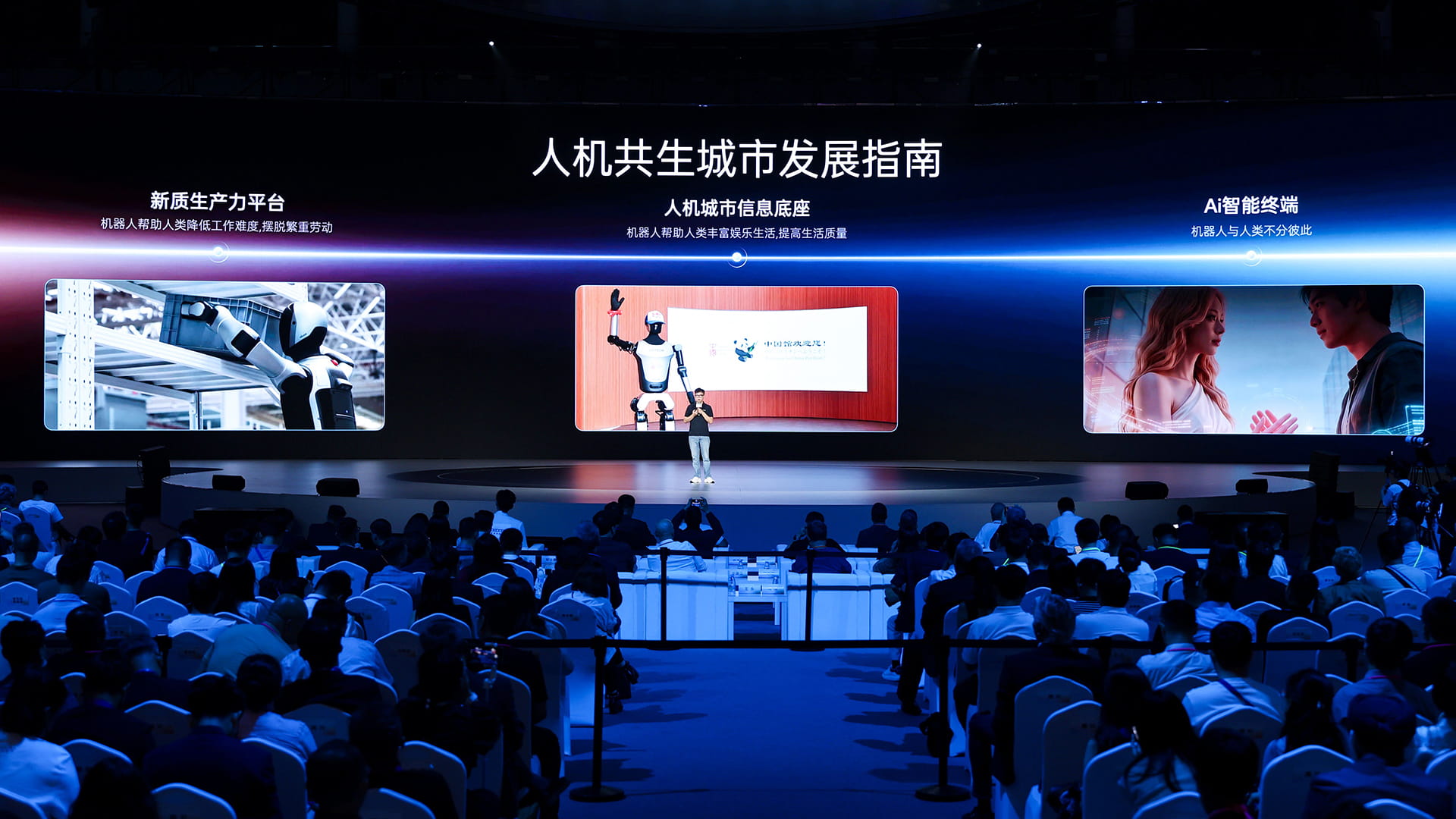
At the event, James Zhou, founder, chairman, and CEO of UBTech, said the company’s strategy of achieving “symbiosis” between humans and robots would unfold in three stages. Robots would first replace high-risk, repetitive labor, then enter everyday life scenarios and provide companionship services. Eventually, Zhou said, humans and robots would become deeply integrated, with the boundaries between them fading.
Zhou also suggested that, once robots are widely adopted, human income may come from three categories: basic security, creative earnings, and “dividends” from machine operations.
That view aligns with UBTech’s strategy of moving from industrial applications to commercial uses and then to consumer markets. On the industrial side, the Walker S series entered mass production and began deliveries in 2025. On the consumer side, the launch of UWorld U1 gives UBTech a product line stretching from business-to-business industrial robots to business-to-consumer companion robots.
In hardware terms, the UWorld U1 series is equipped with 88 bionic joints. Built on UBTech’s own dual-pivot biomimetic cervical spine, the robot can replicate 90% of everyday human body movements, according to the company. Those movements include more than 300 composite micro-expressions across four major categories, humanlike neck mobility, and posture retention. Even when the robot is powered off, UBTech said its full-time self-locking technology can maintain head posture, reducing the rigid feel often associated with mechanical movement. Its built-in multidimensional flexible electronic skin allows the robot to sense the force and location of touch, enabling it to respond physically to hugs and leaning gestures.
A full set of bionic hardware addresses the basic question of whether a robot can resemble a person. But companionship in the home requires more than physical resemblance. The robot also has to understand people and interpret them.
UBTech presents its emotion-aware large language model (LLM) as UWorld U1’s core capability. Michael Tam, chief brand officer of UBTech and president of its robotics consumer innovation division, said the model can recognize more than 20 fine-grained emotional states with accuracy exceeding 90%.
In its architecture, UWorld draws on cognitive neuroscience to build a dual cognition design. One half, the “faster,” enables intuitive responses at the 500-millisecond level, while the “slower” counterpart supports deeper reasoning using hundreds of billions of parameters. Together, the two systems are designed to help the robot maintain real-time interaction while also tracking changes in a user’s emotions over the course of a long-term relationship.
Its cross-temporal memory system, Agent Memory OS, is designed to build a “digital life” system that allows the robot to continuously record, understand, and respond to changes in the user’s condition throughout the product lifecycle. Its proactive care engine operates through environmental sensing, meaning users generally do not need to deliberately wake the robot. Instead, UBTech said the robot can independently determine when to step in.
At the level of biomimetic interaction, UWorld uses a self-developed controller to keep the delay between speech and lip movement within 20 milliseconds, reducing the sense of distance in human-robot interaction.
UBTech also addressed data security, one of the main concerns around home companion robots. The company said the UWorld U1 series prioritizes local processing of user data and avoids cloud uploads unless necessary. Users can view, export, and delete their data at any time, according to the company.

At the launch event, UBTech also introduced a donation initiative. It plans to donate customized bionic robots each year to groups including empty-nest seniors, families that have lost their only child, and families of people officially recognized as martyrs. The company plans to donate 100 units in 2026. Through 3D facial reconstruction and voiceprint-based identity replication technology, the robots can recreate a designated likeness, combining an emotion-interaction large model with dedicated long-term memory to provide psychological companionship.
From an industry perspective, humanoid robot development over the past several years has centered on mobility and operational precision: enabling robots to stand steadily, walk, grasp, and carry. These capabilities have direct value in industrial settings. But once robots enter homes, the evaluation system changes. Users may care less about how much cargo a robot can move than whether it feels natural, responsive, and trustworthy.
Macro data suggests that shift is still at an early stage. According to IDC, global humanoid robot shipments totaled about 18,000 units in 2025, with less than 0.8% going into private homes. More than 90% of products remained concentrated in industrial settings. Morgan Stanley predicts that China’s humanoid robot shipments in 2026 could reach 50,000 units, triple its estimate at the start of the year. It expects the market to reach USD 2 billion this year and climb to USD 15 billion by 2030.
Beyond technical feasibility, UBTech is trying to make the case that consumer acceptance is beginning to form. The end-to-end proprietary technology stack it has built over the past decade, spanning biomimetic skin, embodied intelligence hardware, operating systems, emotion-aware LLMs, and system-level mass production, gives it a foundation for mass production and delivery.
But humanoid robots still face practical challenges before they can become common in the home. It remains to be tested whether emotional interaction in long-term companionship scenarios can be sustained without becoming a novelty; how products can use over-the-air updates throughout their lifecycles to keep the interaction experience evolving; and how data security and ethical boundaries should be defined after large-scale deployment.
KrASIA features translated and adapted content that was originally published by 36Kr. This article was written by Huang Nan for 36Kr.
Note: RMB figures are converted to USD at rates of RMB 6.80 = USD 1 based on estimates as of July 7, 2026, unless otherwise stated. USD conversions are presented for ease of reference and may not fully match prevailing exchange rates.