


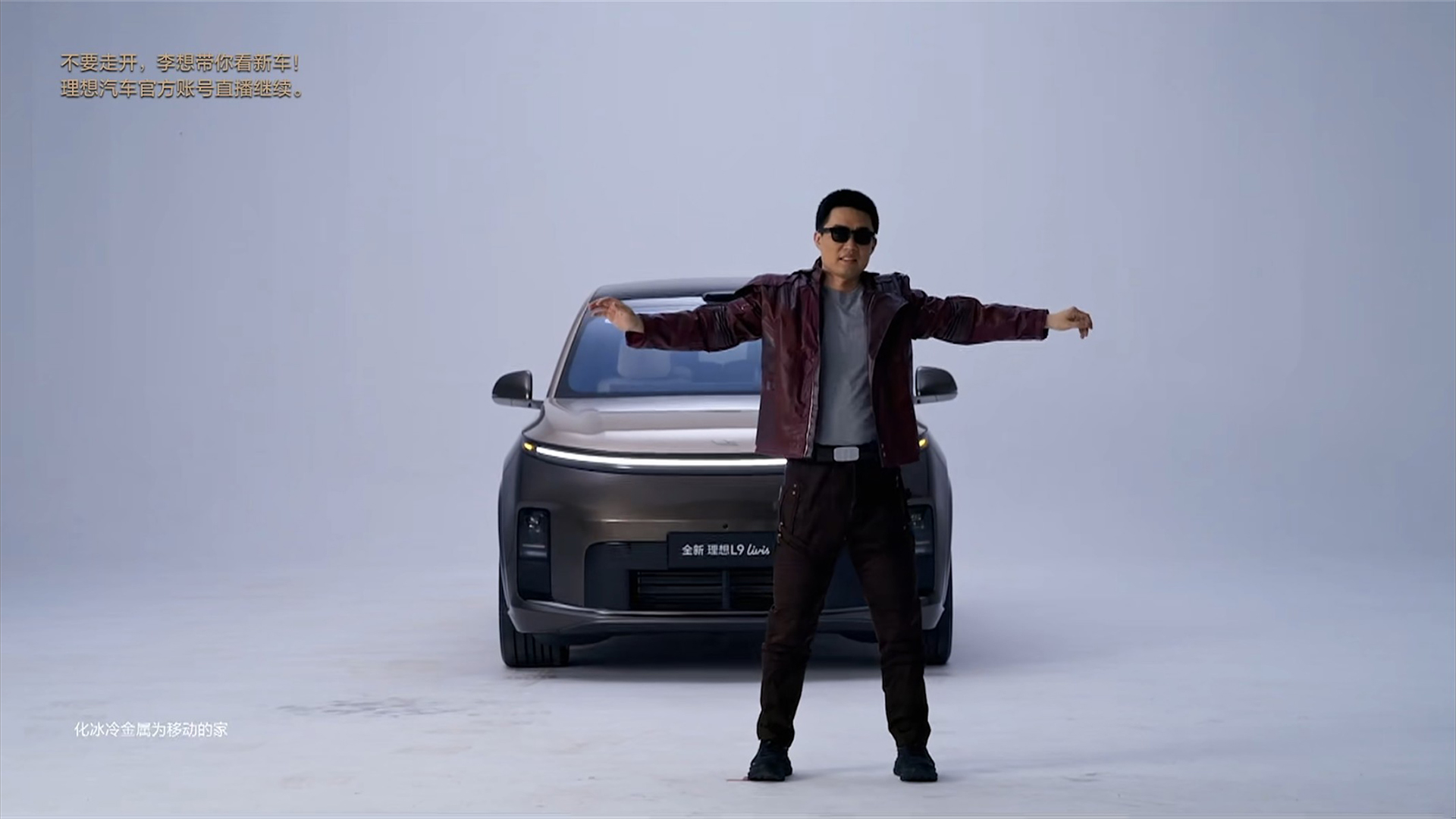
Founders do not usually dance at company events. But Li Xiang, founder and CEO of Chinese automaker Li Auto, made an exception for the new-generation Li L9.
On May 15, Li Auto launched the new Li L9 in two versions: the Li L9 Livis, priced at RMB 509,800 (USD 74,838.5), and the Li L9 Ultra, priced at RMB 459,800 (USD 67,498.5). Li Auto is also offering a RMB 20,000 (USD 2,936) launch incentive through June 30.
36Kr previously reported that Li Auto’s top priority this year is to reinforce its base in extended-range vehicles and the premium market. Its product focus is returning to the extended-range segment, where it aims to use next-generation products to regain its lead.
The latest Li L9 is the first test of that strategy.
36Kr tested the new Li L9 Livis before launch. The most immediate impression was that the vehicle’s exterior, interior, and performance have all been upgraded from the previous generation.
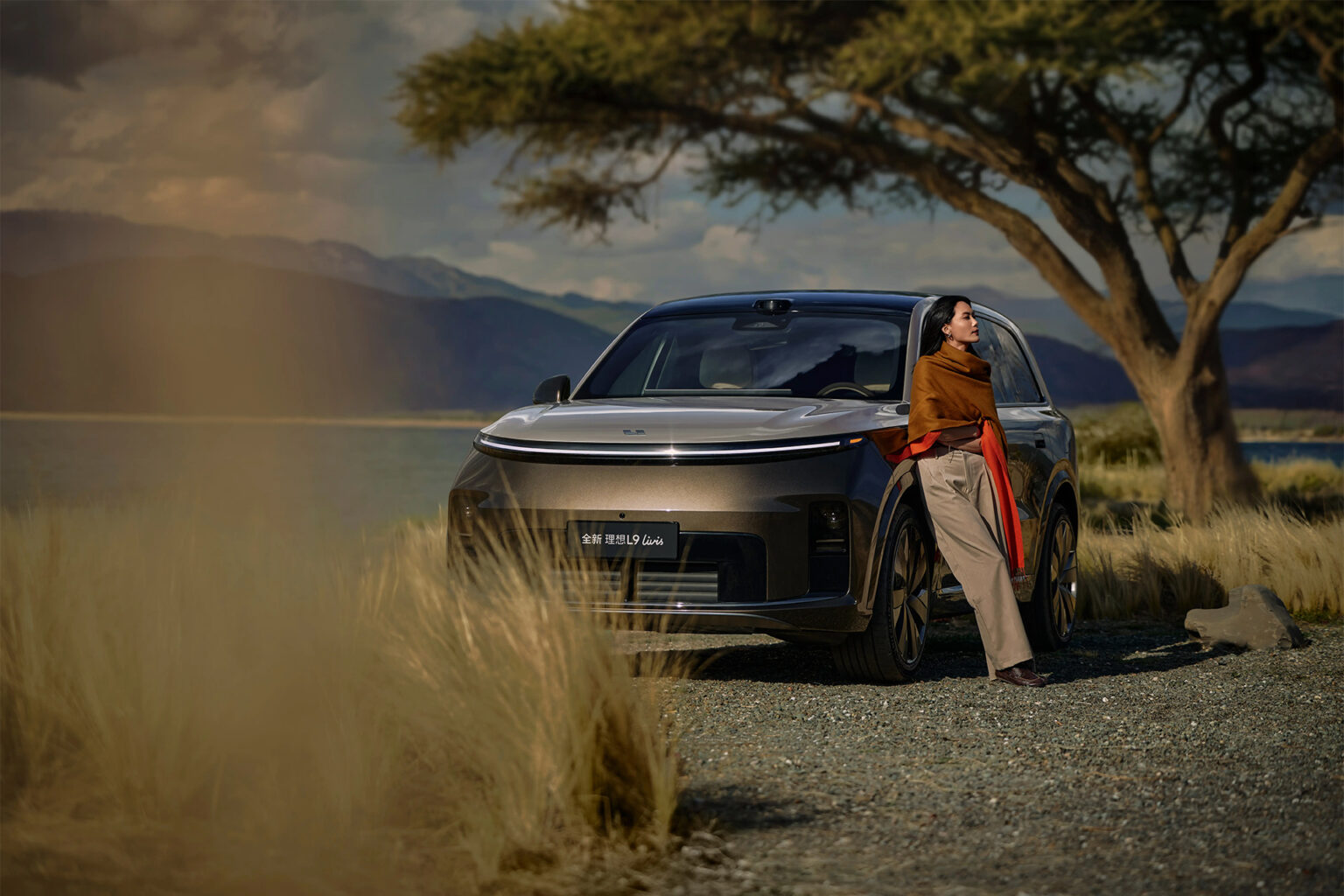
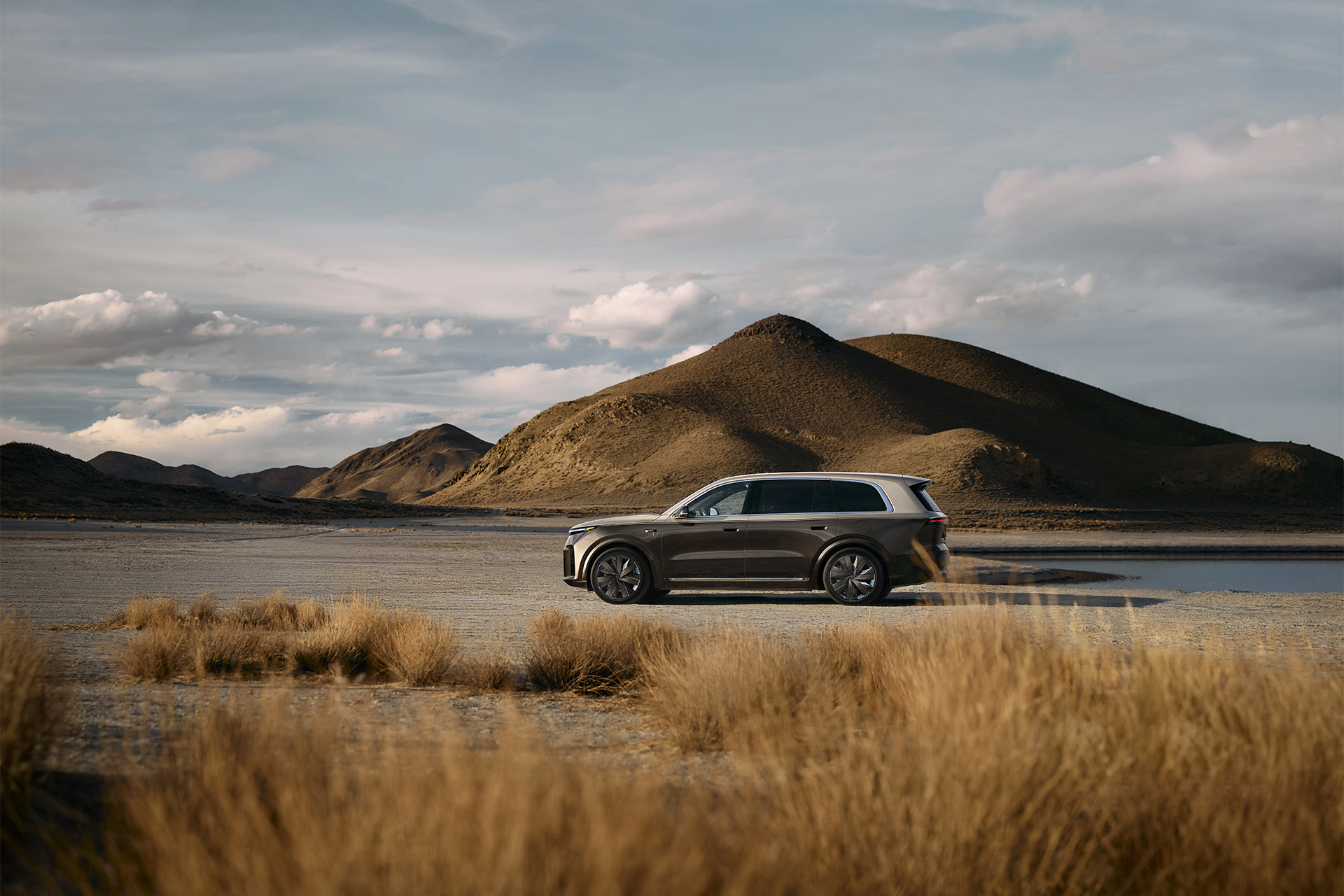
On the exterior, the Li L9 Livis adopts a two-tone body for the first time. While retaining the model’s familiar identity, Li Auto shortened the front overhang and lengthened the rear overhang, shifting the vehicle’s visual center of gravity backward. The vehicle measures 5,255 millimeters long, 2,000 millimeters wide, and 1,810 millimeters tall, with a wheelbase of 3,125 millimeters.
The “star ring” light on the front fascia has been upgraded to three colors: white for normal status, blue for situations such as assisted parking when no one is inside the vehicle, and orange for exterior voice interaction.
Inside the cabin, Li Auto has retained the original design language while upgrading multiple areas. The model is available with both mechanical and electronic door handles inside and out. All four powered doors use capacitive anti-pinch strips.
The new-generation L9 also comes with four “zero-gravity” seats. The second row has powered sunshades and highly insulated multi-level dimming glass.
For smart features, the new Li L9’s front row is equipped with a 29-inch 6K integrated ultrawide panoramic display with a 90 Hz refresh rate. The cockpit chip has been upgraded to Qualcomm’s Snapdragon 8797. The rear cabin is fitted with a 21-inch 4K movable screen that can slide electrically by 120 millimeters and move forward or backward in response to a raised-hand gesture.
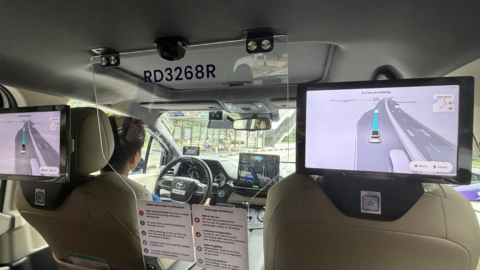
For assisted driving, the L9 Livis uses two of Li Auto’s Mach M100 automotive-grade chips, delivering total computing power of 2,560 TOPS (tera operations per second). The Ultra version uses one Mach M100 chip. With a 3D ViT (vision transformer) perception model and the Mach VLA (vision-language-action) foundation model, the system performed steadily on highways and urban roads during the test drive.
The chassis is the biggest upgrade to overall vehicle performance. The L9 Livis is the first model to feature the complete version of Li Auto’s drive-by-wire active chassis, integrating three core technologies: steer-by-wire, electromechanical braking, and rear-wheel steering.
During the test drive, the new-generation Li L9 actively controlled body posture over crests, speed bumps, continuous undulating roads, and bends on mountain roads.
For range, the new vehicle comes standard across the lineup with a 72.7-kilowatt-hour 5C battery and Li Auto’s proprietary third-generation range extender. It has a CLTC pure-electric range of 420 kilometers and a combined range of 1,650 kilometers.
Li Auto appears to have put significant work into the third-generation range extender, adding a quiet cabin with more than 150 acoustic insulation measures, including dual active noise reduction through RNC (road noise control) and EOC (engine order control). During the test drive, even when the vehicle reached 80–90 kilometers per hour, cabin NVH (noise, vibration, and harshness) was not significantly affected.
According to Li Auto’s official test data, the NVH performance of the Li L9 Livis is close to that of the battery-powered Li i8.
Li Auto has packed a large number of upgrades into the new-generation L9. The official launch price of the L9 Livis is RMB 50,000 (USD 7,340) lower than the price Li previously indicated, giving the market a notable price concession. The RMB 459,800 Ultra version has some reduced specifications, but it is priced RMB 30,000 (USD 4,404) higher than the previous-generation Ultra and RMB 50,000 lower than the L9 Livis.
Li Auto’s pricing model is changing. It is no longer following a step-by-step pricing strategy from the L6 to the L7, L8, and L9. Instead, it is using higher-configuration models to push further into the premium market, widening price gaps while using relatively lower-priced models to drive volume. The company is trying to capture both pricing power and sales volume.
KrASIA features translated and adapted content that was originally published by 36Kr. This article was written by Xiao Man for 36Kr.
Note: RMB figures are converted to USD at rates of RMB 6.81 = USD 1 based on estimates as of May 21, 2026, unless otherwise stated. USD conversions are presented for ease of reference and may not fully match prevailing exchange rates.