



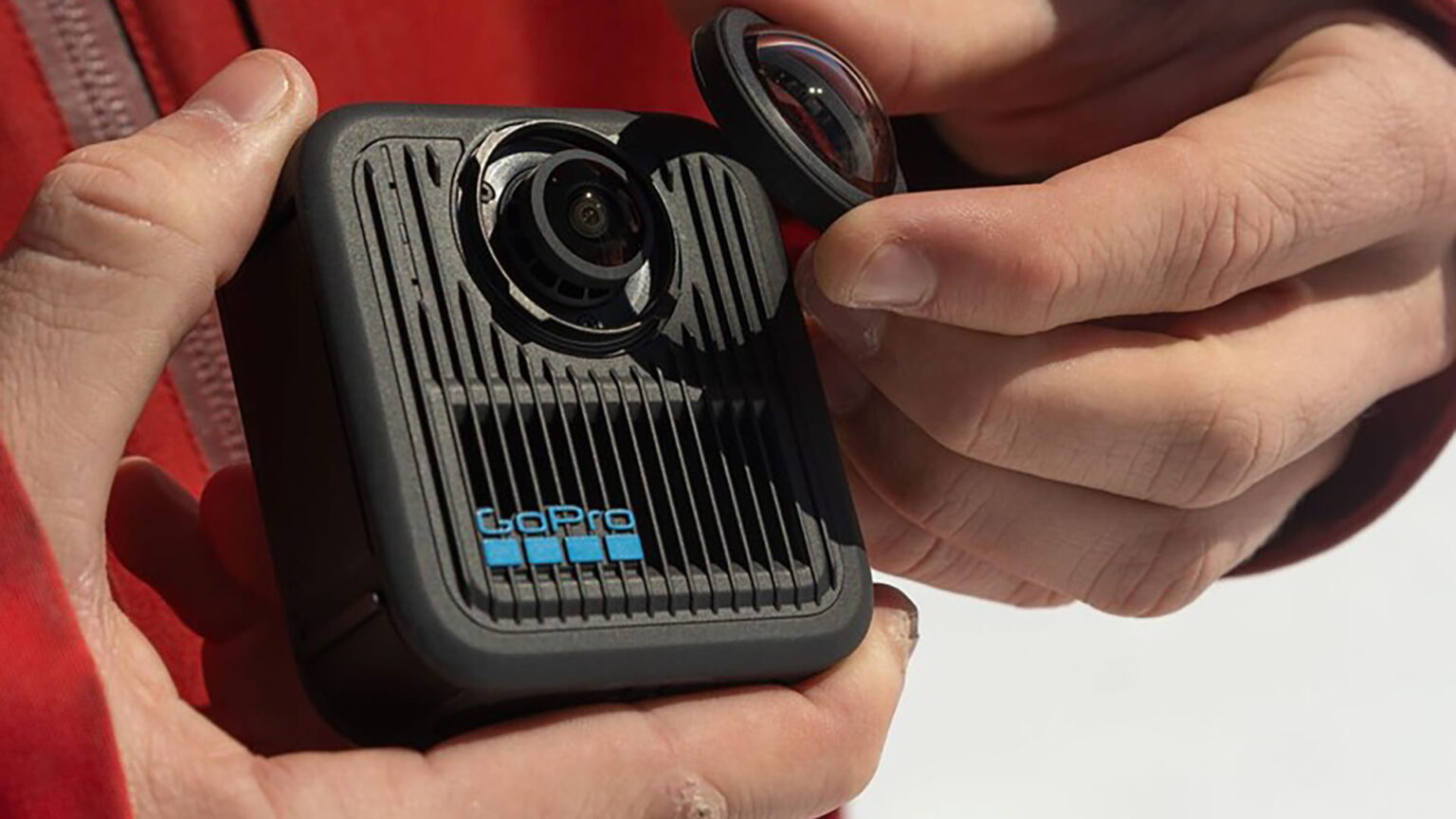
US action camera pioneer GoPro is exploring a potential sale of the company after years of declining revenue, as Chinese rivals gain ground with higher-performing products.
GoPro announced last month it has hired a financial advisor to review strategic options, including a sale or merger, after posting a USD 93.5 million net loss for the year ending December, its third consecutive annual loss.
Revenue fell 19% year-on-year to USD 652 million, less than half its peak level in 2015.
The company added that it has received multiple approaches regarding acquisitions and mergers since then.
GoPro has also cut roughly 20% of its workforce and is seeking growth in new areas such as defense and space, signaling mounting pressure on its core business.
GoPro was established in 2002 when founder and CEO Nick Woodman wanted a camera for filming surfing. Its compact and lightweight action cameras created a market by meeting demand for devices that could be mounted on surfboards and bicycles to capture footage.
However, Ichiro Michikoshi, an analyst at Tokyo-based research firm BCN, said the company fell behind in addressing overheating issues and improving low-light performance, allowing Chinese rivals to win over customers.
According to US research firm IDC, Chinese drone giant DJI captured 62% of the handheld smart camera market in 2025, while Arashi Vision, which sells cameras under the Insta360 brand, held 20%, leaving limited room for competitors.
While GoPro’s shipments fell 26% year-on-year, the two Chinese companies posted sharp increases, helping drive overall market growth 83% to 16.7 million units.
DJI and Insta360 have been quick to innovate, incorporating larger sensors and leveraging partnerships with established camera brands. DJI has enhanced image quality by incorporating technology from Sweden’s Hasselblad, while Arashi Vision has drawn on Germany’s Leica.
Michikoshi added that customers are also drawn to visible improvements released with each new product iteration.
DJI unveiled the Osmo Pocket 4P at the Cannes International Film Festival in France on May 14. While previous models relied on digital zoom, the new device features optical zoom that minimizes image degradation. The company invited film industry professionals to the launch, emphasizing the camera’s ability to shoot professional-level video.
The Osmo Pocket is DJI’s flagship series featuring a gimbal stabilizer, which uses motors to counter camera shake detected by sensors. The technology, derived from drone camera gimbals, was introduced in 2018.
By physically stabilizing footage, it produces smooth video. Although DJI initially did not expect it to become a major market, the product gained widespread adoption alongside the rise of social media, founder Wang Tao said.
Arashi Vision is also set to launch its first gimbal camera by the end of June, aiming to break into a market dominated by DJI. The company became a global leader in 360-degree cameras after launching its first one in 2016.
Its core offering features dual fisheye lenses capable of capturing seamless 360-degree images. The company also promotes its software, which has the ability to remove selfie sticks from footage.
DJI and Arashi Vision are in fierce competition. After DJI released a 360-degree camera in July last year, Arashi Vision responded in December with a 360-degree camera-equipped drone, entering DJI’s core territory.
DJI followed with a 360-degree drone in March. The rivalry is now expected to intensify in the gimbal camera segment as well.
Meanwhile, GoPro is attempting a comeback. It plans to launch cameras this year with larger sensors to improve low-light performance. Michikoshi said the company could rebound if it resolves its heat management issues, noting that many users still favor its distinctive color rendering.
The main challenge will be whether it can compete against Chinese companies engaged in intense technological competition.
IDC forecasts global handheld smart camera shipments will reach 40 million units by 2030, 2.4 times the 2025 level, posing a potential threat even to Japanese manufacturers with strong positions in mirrorless cameras.
This article first appeared on Nikkei Asia. It has been republished here as part of 36Kr’s ongoing partnership with Nikkei.