

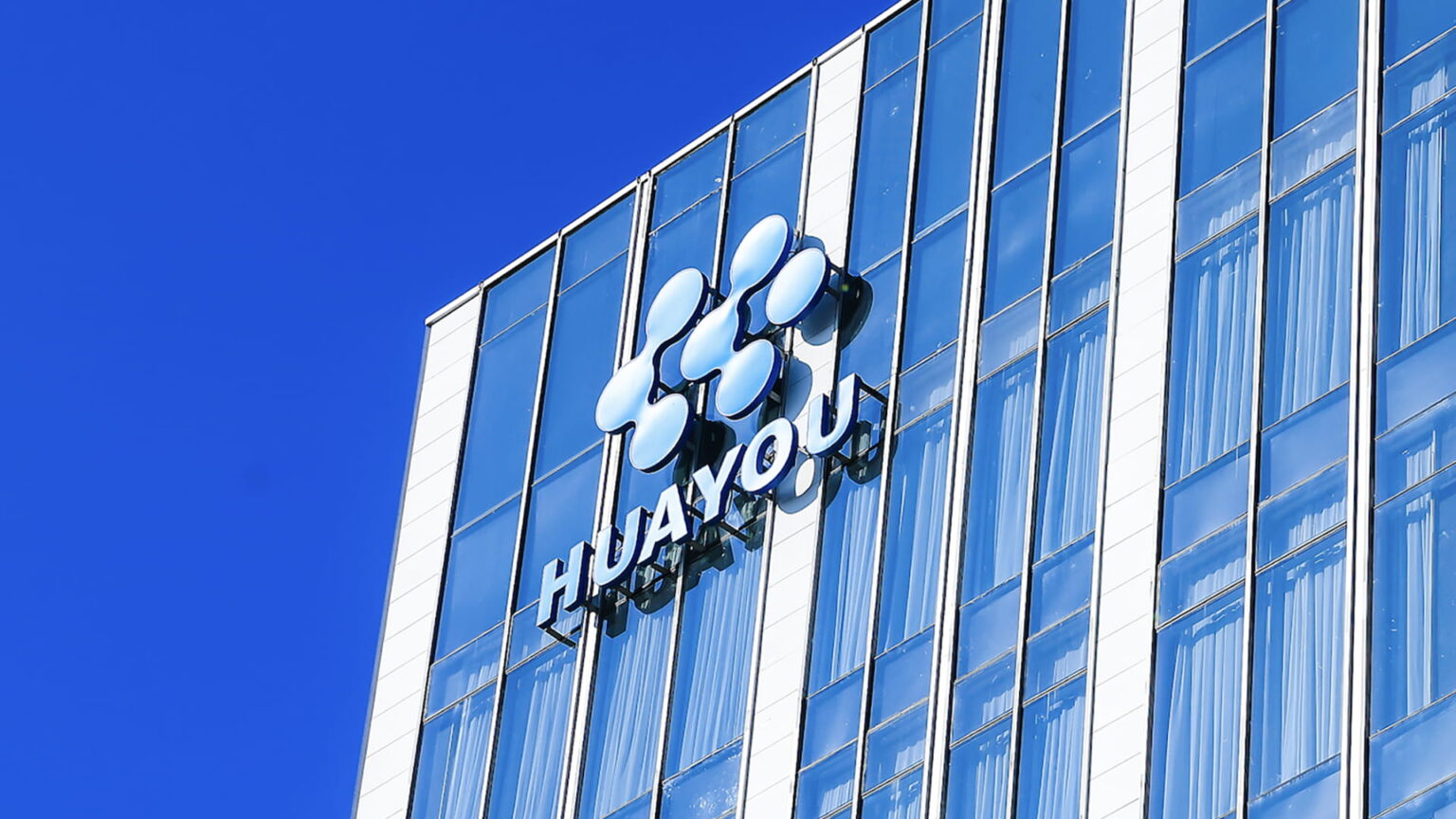
Chinese mineral miner Zhejiang Huayou Cobalt has agreed to fully purchase an Australian peer with lithium assets in Africa, expanding its portfolio on the continent.
On May 7, Shanghai-listed Huayou said that it made an all-cash proposal of USD 210 million to Atlantic Lithium, which works out to a 26.6% premium over the company’s ASX-traded shares immediately prior to the offer.
The two have entered a binding scheme, as Atlantic’s board unanimously agreed to the proposal while South Africa-based mining investor Assore International Holdings—which owns a leading 26.4% stake—confirmed that it would vote in favor.
Prices of lithium, a crucial battery ingredient, have risen sharply this year, driven by a combination of supply uncertainty and high demand. Among the factors are export controls in Zimbabwe, where Huayou also has a mine. The war in Iran, which has pushed up oil prices, is seen as another catalyst for electric vehicle sales that could further power demand for lithium.
The Australian company’s flagship project is the Ewoyaa lithium mine in Ghana. The country’s first lithium-producing mine is estimated to turn out 3.6 metric tons of spodumene concentrate, a high-purity lithium aluminum silicate, over a 12-year lifespan, according to an earlier announcement by Atlantic.
Atlantic also owns exploration licenses for two lithium mines in Ivory Coast.
Atlantic CEO Keith Muller said Huayou’s proposal “acknowledges Ewoyaa as a highly attractive hard rock lithium asset capable of serving the growing global electric vehicle and energy storage markets.” He noted that the deal comes “amid ongoing lithium price volatility, complex jurisdictional challenges and against the timing and execution risks attached to financing, developing and operating the Ewoyaa lithium project under the project’s current joint venture arrangements.”
The transaction is still subject to various regulatory approvals.
Chen Hongliang, Huayou’s chairman and president, said in a statement that the acquisition of Ewoyaa “complements our existing battery metal mining operations in Africa” and that the deal “represents a logical transaction for Huayou, as we continue to build a new energy materials business.”
As Hauyou’s name suggests, cobalt is one of its main products. But revenue also comes from nickel, copper and lithium. Sales of lithium products in 2025 came to RMB 3.44 billion (USD 505.2 million), up 12.3%, while annual sales volume grew by 38.6% to 54,387.84 tons. That outpaced last year’s total production of 51,728.34 tons, a 25% increase.
Huayou owns the Arcadia lithium mine in Zimbabwe. According to the company’s latest annual report, published last month, it has increased its confirmed lithium reserves to 2.45 million tons from 1.5 million tons, after additional prospecting. The company also owns several cobalt and copper mines in Congo.
The company considers itself a lithium battery materials producer. Total revenue for last year reached RMB 81.01 billion (USD 11.9 billion), up 32.9%, while net profit grew by 47.1% to RMB 6.11 billion (USD 897.3 million).
The momentum continued in the January-March quarter, with revenue jumping by 44.6% to RMB 25.8 billion (USD 3.8 billion) and net profit nearly doubling to RMB 2.49 billion (USD 365.7 million). In its filing at the end of last month, the company said it “benefited from the rising prices of nickel, cobalt and lithium.”
Jimmy Feng, a Hong Kong-based analyst at Citi, believes “the acquisition will further enhance Huayou’s layout in [the] lithium industry,” and affirmed a “buy” rating for the company’s stock.
Elsewhere, however, Huayou temporarily ceased operation of its nickel and cobalt production in Indonesia from May 1. The company cited a “sharp rise in sulfur prices” and did not specify a time period.
Sulfur, a byproduct of oil and gas, is critical for producing nickel and cobalt, especially for processing battery-grade materials. Supply has been tight since the war in Iran broke out at the end of February.
Huayou acknowledged that the operation halt has a “certain unfavorable impact on near-term performance.”
This article first appeared on Nikkei Asia. It has been republished here as part of 36Kr’s ongoing partnership with Nikkei.
Note: RMB figures are converted to USD at rates of RMB 6.81 = USD 1 based on estimates as of May 13, 2026, unless otherwise stated. USD conversions are presented for ease of reference and may not fully match prevailing exchange rates.