

China’s Belt and Road Initiative (BRI) reached record high investment last year driven by oil and natural gas projects, according to a study, part of Beijing’s moves to secure resources and strengthen supply chains in developing countries.
This major spending on energy-related infrastructure looks set to continue as shipments of Middle Eastern crude oil that China and other Asian countries rely on have been disrupted by the Iran conflict.
As diversifying supply sources becomes even more critical, China appears to be accelerating efforts to secure access to resources.
Australian research center Griffith Asia Institute and the Green Finance & Development Center at the Fudan International School of Finance of China’s Fudan University studied about 150 countries that had signed BRI-related memorandums of understanding with China as of the end of 2025.
The University of Queensland professor Christoph Nedopil has been conducting this research annually since 2019, publishing the results through the institute.
The latest survey showed that investment and construction contracts for 2025 totaled USD 213.5 billion, the most since Chinese President Xi Jinping first proposed the BRI in 2013.
Energy-related investments accounted for the largest share by sector with over 40%, totaling USD 93.9 billion. Of this, oil and gas accounted for USD 71.5 billion, more than triple the previous record high in 2024.
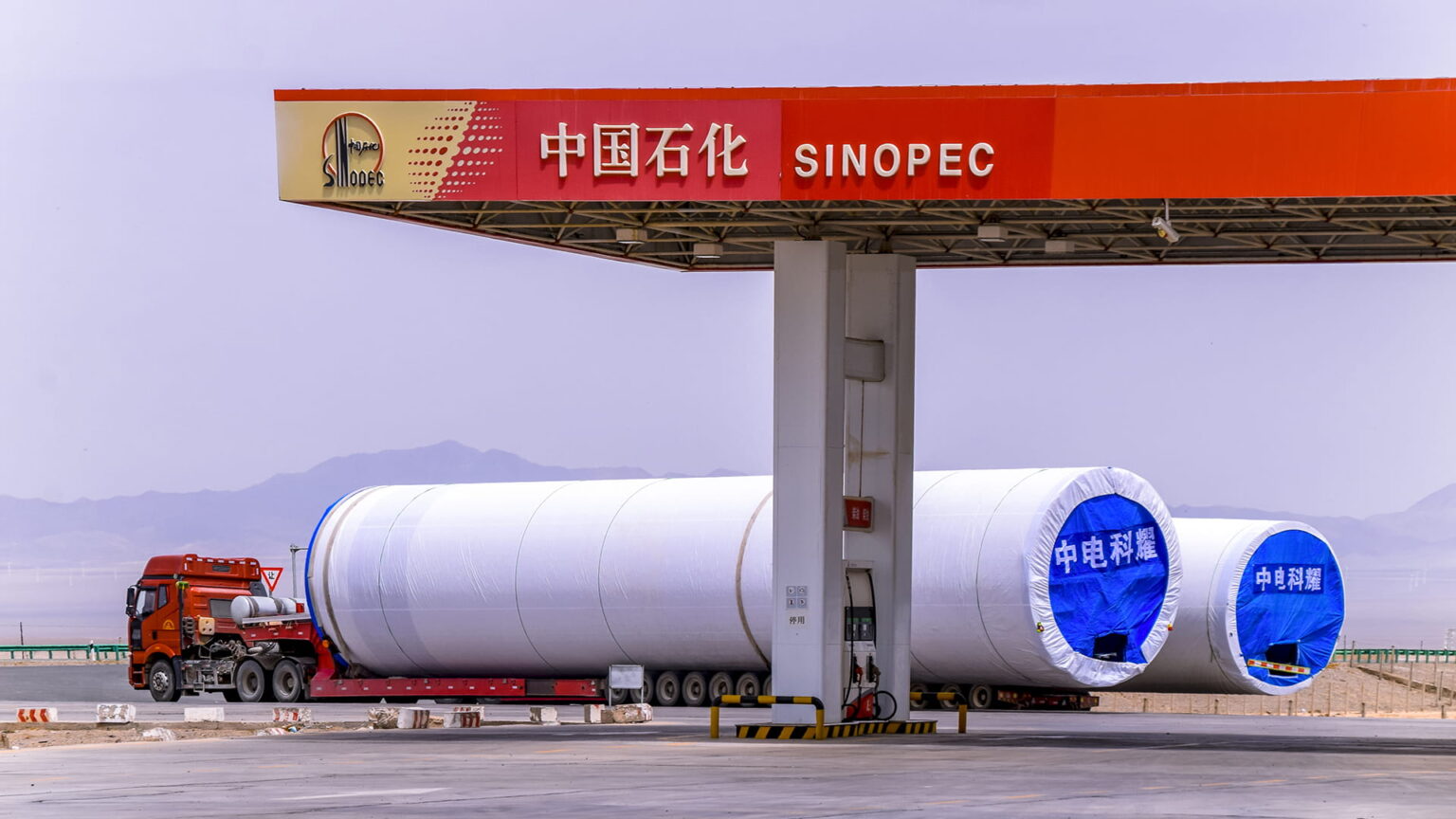
Chinese state-owned oil giant Sinopec invested USD 3.7 billion to build a refinery at the Hambantota port in Sri Lanka. The South Asian country had been struggling to repay debts related to the port and handed over a 99-year operating license to China in 2017.
In addition to energy security concerns, China’s increased investment in oil and gas projects is driven by greater profit potential compared with transportation infrastructure.
Investment in renewable energy also reached a record high, with over USD 18 billion going to wind, solar, and other projects.
Saudi Arabia, which is developing solar and other renewables in an effort to diversify its oil-dependent economy, was the largest recipient of such investments at USD 5.2 billion.
By region, resource-rich Africa received the most investment, accounting for 37% of the total. While the Trump administration has cut US support for developing countries, including by in effect shutting down the US Agency for International Development, China is expanding investments to fill the void and grow its influence.
In Nigeria, China National Chemical Engineering Group signed a roughly USD 20 billion contract for a gas facility. Last May, Beijing announced plans to eliminate tariffs on imports from African countries.
“China is finding it increasingly difficult to expand economic ties with the West,” said Yasuyuki Todo, a professor at Japan’s Waseda University. “It has little choice but to shift towards strengthening relations with the Global South,” referring to developing countries and emerging markets.
He said that some countries in the Global South are drawing closer to China, which they see as offering greater economic benefits than the US.
Todo added that China is likely to increase investment in high-tech sectors. Deepening relations with developing countries by transferring advanced technologies could give it priority access to energy and mineral resources.
This article first appeared on Nikkei Asia. It has been republished here as part of 36Kr’s ongoing partnership with Nikkei.